Introduction
Can human growth hormone (HGH) actually help reduce body fat?
Human growth hormone is commonly associated with muscle development, physical growth, and tissue maintenance. However, one of its most interesting biological functions involves fat metabolism and the regulation of how the body stores and uses energy.
Produced naturally by the pituitary gland, HGH influences several metabolic processes, including the breakdown of stored fat.
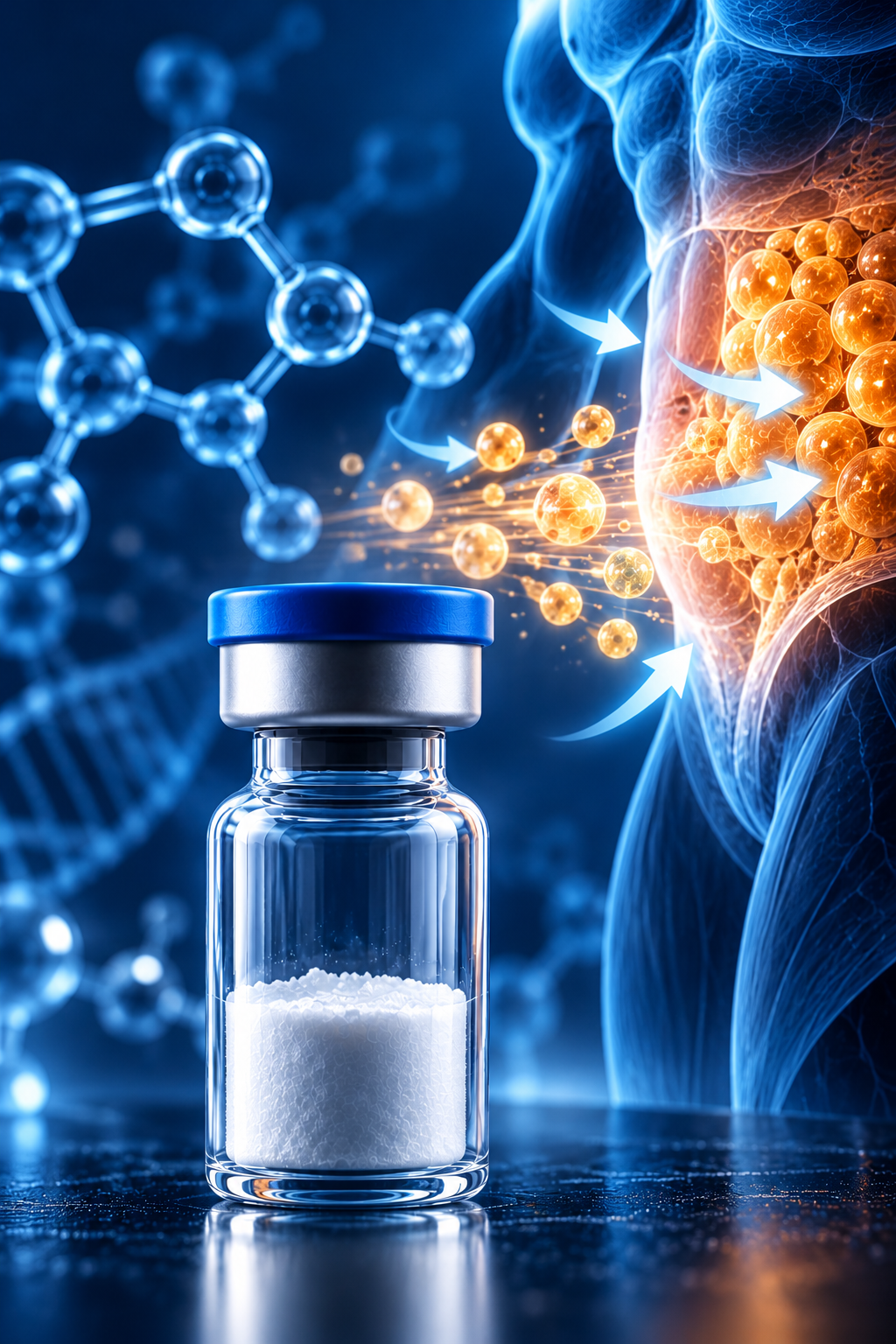
Research has demonstrated that growth hormone stimulates lipolysis, the process through which stored triglycerides are broken down and fatty acids are released for potential energy use.
This relationship has generated scientific interest in whether HGH can influence body composition, particularly abdominal fat and visceral adipose tissue.
Controlled human studies have reported reductions in fat mass following growth hormone administration in certain populations, including adults with diagnosed growth hormone deficiency and selected individuals with obesity.
However, these findings require careful interpretation.
Increasing fat breakdown does not necessarily result in sustained weight loss, and changes in body composition do not automatically translate into improvements in overall metabolic health.
Growth hormone also influences insulin sensitivity, glucose regulation, and other physiological processes that must be considered when evaluating its metabolic effects.
So, does HGH actually promote fat loss, and what does the scientific evidence reveal about its effects on body fat and metabolism?
This article explores how growth hormone influences fat metabolism, what human clinical studies have demonstrated, and the important limitations surrounding HGH and long-term fat loss.
Research Background
What Is Human Growth Hormone?
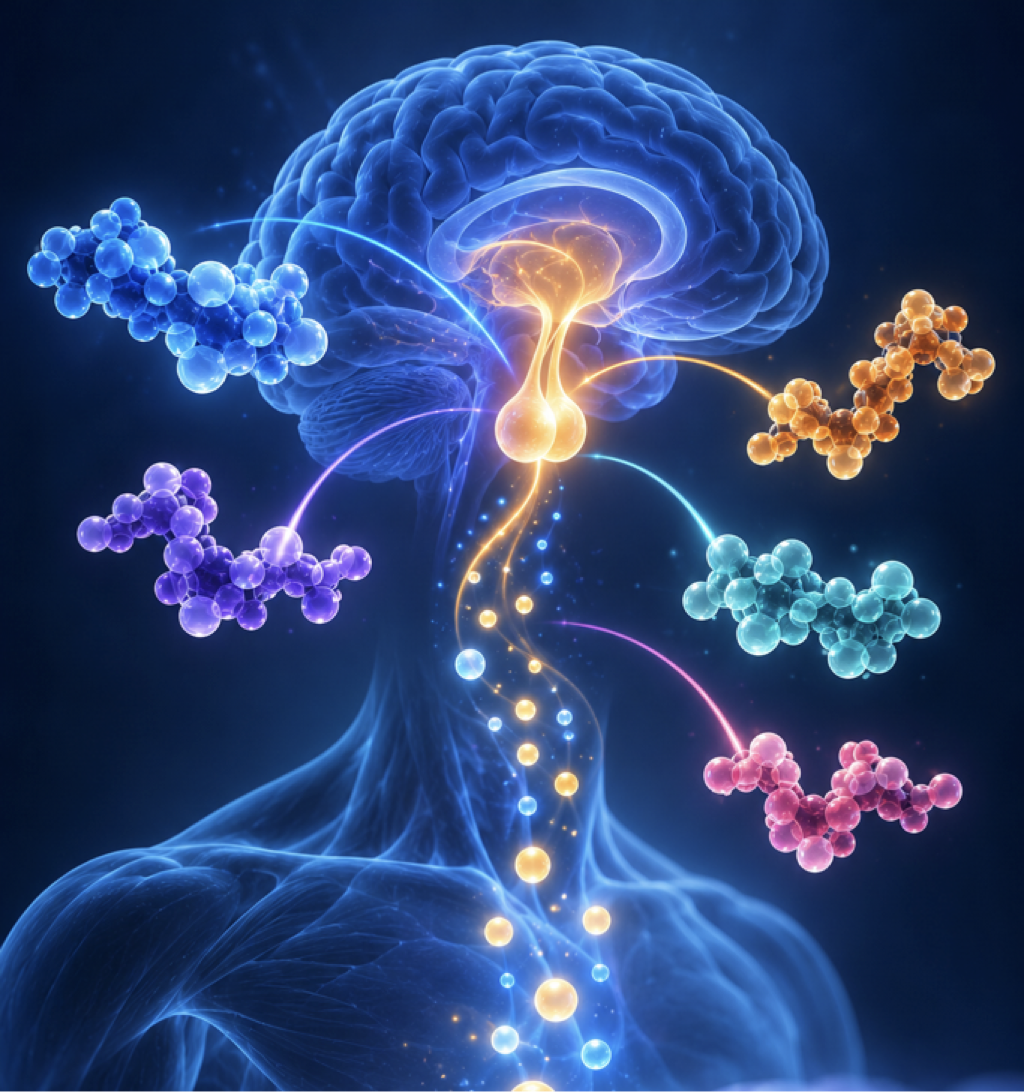
Human growth hormone (HGH), also known as somatotropin, is a peptide hormone produced and released by the anterior pituitary gland, a small structure located at the base of the brain.
Although HGH is best known for supporting physical growth during childhood and adolescence, it continues to play important roles in metabolism and tissue maintenance throughout adulthood.
Growth hormone helps regulate several physiological processes, including:
Fat metabolism: Influencing the breakdown and mobilization of stored fatty acids.
Protein metabolism: Supporting protein synthesis and the maintenance of lean body tissues.
Glucose regulation: Affecting how the body responds to insulin and utilizes glucose.
Tissue maintenance: Participating in biological processes associated with cellular growth and tissue repair.
HGH is not released continuously. Instead, the pituitary gland secretes growth hormone in pulses, with substantial secretion typically occurring during deep sleep.
Its release is regulated by several hormonal signals, including growth hormone–releasing hormone (GHRH), which stimulates secretion, and somatostatin, which inhibits it.
Growth hormone also stimulates the production of insulin-like growth factor 1 (IGF-1), particularly in the liver.
Although HGH and IGF-1 function together within the growth hormone–IGF-1 axis, they have distinct biological effects.
HGH directly influences fat metabolism and energy mobilization, while IGF-1 mediates many of the growth-related and anabolic effects associated with growth hormone signaling.
Understanding these differences is important when examining how HGH influences body fat and overall metabolism.
The Relationship Between HGH and Body Fat
One of growth hormone's most important metabolic functions is its ability to influence how the body stores, releases, and utilizes fat.
Most stored body fat is contained within specialized cells called adipocytes, which make up adipose tissue.
These cells store energy primarily as triglycerides, molecules composed of fatty acids attached to a glycerol backbone.
When stored energy is mobilized, triglycerides are broken down through a process known as lipolysis.
This process releases fatty acids and glycerol, allowing fatty acids to enter circulation and potentially be used as an energy source by tissues such as skeletal muscle.
Growth hormone promotes lipolysis through signaling mechanisms that influence fat metabolism within adipocytes.
Human experimental studies have demonstrated that growth hormone exposure can increase fatty acid mobilization, supporting its established role in regulating lipid metabolism.
However, releasing stored fatty acids does not guarantee a lasting reduction in body fat.
Fatty acids may be used for energy or stored again, depending on the body's overall metabolic conditions.
Researchers have also identified an important relationship between growth hormone secretion and body fat distribution.
Individuals with obesity, particularly those with increased visceral fat, frequently demonstrate lower spontaneous growth hormone secretion.
Visceral fat is adipose tissue located deep within the abdominal cavity, surrounding internal organs.
Excessive visceral fat accumulation is associated with increased risks of insulin resistance, cardiovascular disease, and other metabolic complications.
However, the relationship between growth hormone and obesity is complex.
Reduced growth hormone secretion in individuals with obesity does not necessarily indicate a true growth hormone deficiency, and lower hormone secretion may improve following weight reduction.
These findings suggest that growth hormone and body fat regulation are closely connected, but increasing HGH levels does not automatically produce sustained fat loss or improved metabolic health.
This relationship has encouraged researchers to investigate whether growth hormone signaling can influence abdominal fat, body composition, and metabolic function.
Main Research Findings
1. HGH Stimulates the Breakdown of Stored Fat
One of the most extensively documented metabolic effects of human growth hormone is its ability to stimulate lipolysis, the process through which stored triglycerides are broken down into fatty acids and glycerol.
When HGH binds to growth hormone receptors in target tissues, it activates intracellular signaling pathways that influence metabolic activity.
Within adipose tissue, growth hormone signaling promotes the mobilization of stored triglycerides, increasing the release of free fatty acids into circulation.
These fatty acids can then be transported to tissues such as skeletal muscle, where they may be oxidized to produce energy.
Controlled human studies have demonstrated that growth hormone administration can increase circulating free fatty acid concentrations and stimulate lipid mobilization.
Research has also shown that growth hormone can influence substrate utilization, encouraging greater reliance on fat as an energy source under certain physiological conditions.
However, increased fat breakdown does not automatically result in a sustained reduction in body fat.
Released fatty acids may be oxidized for energy or subsequently stored again, depending on energy balance, nutritional conditions, and other metabolic factors.
These findings establish HGH as an important regulator of fat metabolism while highlighting the distinction between short-term lipolysis and long-term changes in fat mass.
2. HGH May Reduce Visceral Fat
Visceral fat is adipose tissue stored deep within the abdominal cavity, surrounding internal organs.
Unlike subcutaneous fat, which is located directly beneath the skin, excessive visceral fat accumulation is strongly associated with insulin resistance, cardiovascular disease, and metabolic dysfunction.
Researchers have investigated whether growth hormone administration can influence visceral fat accumulation and abdominal body composition.
Controlled human studies involving selected adults with obesity have reported reductions in visceral adipose tissue following growth hormone treatment.
Studies involving adults with confirmed growth hormone deficiency have also demonstrated reductions in fat mass, including abdominal fat, during medically supervised replacement therapy.
These findings suggest that growth hormone signaling can influence both overall adiposity and the distribution of stored body fat.
However, the magnitude of these changes varies depending on the study population, baseline hormonal status, treatment duration, and methods used to assess body composition.
Importantly, reductions in visceral fat do not necessarily establish improvements in insulin sensitivity, cardiovascular health, or long-term metabolic outcomes.
Although these findings support a relationship between HGH and abdominal fat regulation, they do not establish growth hormone as an appropriate routine treatment for obesity or fat loss in otherwise healthy adults.
3. HGH Can Change Body Composition Without Significant Weight Loss
An important finding in growth hormone research is that changes in body composition do not always correspond to substantial changes in total body weight.
Body weight reflects the combined mass of fat, muscle, water, bone, and other tissues.
Body composition, however, describes the relative proportions of these components.
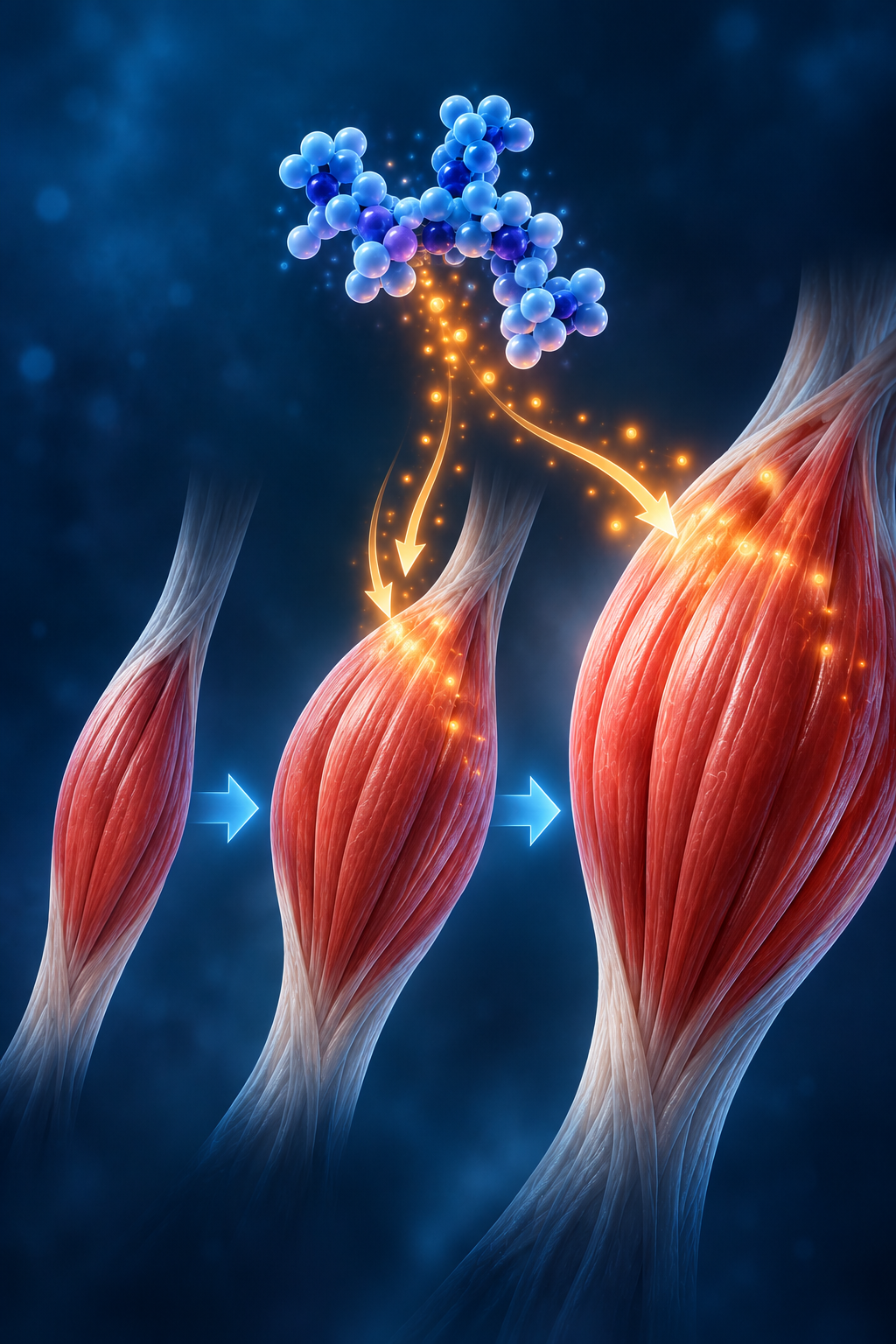
Several controlled human studies have reported reductions in fat mass alongside increases in measured lean body mass following growth hormone administration.
These changes may occur even when total body weight remains relatively stable.
For example, reductions in adipose tissue may be partially offset by increases in fat-free mass.
However, increases in measured lean body mass do not necessarily indicate equivalent increases in functional skeletal muscle.
Growth hormone can promote fluid retention, which may contribute to changes in fat-free mass measurements.
This distinction is particularly important when interpreting research involving HGH and physical performance.
A systematic review examining growth hormone administration in healthy older adults reported modest reductions in fat mass and increases in lean body mass, but these changes were accompanied by an increased frequency of adverse effects.
The available evidence suggests that HGH can influence body composition in certain populations without producing substantial overall weight loss or reliably improving physical performance.
These findings reinforce the importance of evaluating fat mass, lean mass, and body weight as separate measurements.
4. HGH Influences Insulin Sensitivity and Glucose Metabolism
Although growth hormone promotes fat mobilization, its metabolic effects are not exclusively beneficial.
HGH also influences glucose regulation and the body's response to insulin.
Insulin is a hormone that helps regulate blood glucose by promoting glucose uptake and storage in various tissues.
Growth hormone can oppose certain actions of insulin, particularly in skeletal muscle and adipose tissue.
Under some conditions, increased growth hormone activity can reduce insulin sensitivity, meaning cells become less responsive to insulin's effects.
This may contribute to higher circulating glucose concentrations and changes in glucose tolerance.
Human clinical studies have reported alterations in insulin sensitivity during growth hormone administration, although the magnitude and clinical significance vary across populations.
These findings are particularly important when evaluating HGH in individuals without established growth hormone deficiency.
A reduction in body fat does not necessarily mean an improvement in metabolic health if glucose regulation or insulin sensitivity is adversely affected.
Researchers must therefore evaluate growth hormone's effects on body composition alongside measurements of glucose metabolism, insulin resistance, and other cardiometabolic outcomes.
5. HGH and Growth Hormone–Releasing Peptides
Scientific interest in growth hormone and fat metabolism also extends to compounds that influence the body's natural growth hormone secretion.
These compounds include growth hormone–releasing hormone analogs and growth hormone secretagogues.
Examples investigated in experimental research include CJC-1295, ipamorelin, GHRP-2, GHRP-6, and hexarelin.
These compounds act through different receptor systems involved in regulating growth hormone release.
For example, CJC-1295 is a growth hormone–releasing hormone analog that stimulates signaling through the GHRH receptor.
Ipamorelin and several related secretagogues act through the growth hormone secretagogue receptor, which is involved in regulating growth hormone secretion.
However, stimulating endogenous growth hormone release is not pharmacologically equivalent to administering recombinant human growth hormone.
Differences in receptor activity, hormonal response, duration of action, and downstream signaling can influence their biological effects.
Although recombinant HGH has demonstrated measurable effects on fat metabolism and body composition in human studies, these findings cannot automatically be generalized to growth hormone–releasing peptides.
For most of these experimental compounds, high-quality human evidence demonstrating meaningful, sustained fat loss remains limited or insufficient.
Further research is necessary to determine whether their effects on growth hormone secretion translate into clinically significant changes in adipose tissue or metabolic health.
Research Methodology / Context
What Have Human Clinical Studies Demonstrated?
The relationship between human growth hormone and fat loss has been investigated through controlled clinical trials, metabolic experiments, and systematic reviews.
Researchers have primarily examined three populations: adults with diagnosed growth hormone deficiency, individuals with obesity, and healthy older adults experiencing age-related changes in growth hormone secretion.
These distinctions are important because the metabolic effects of HGH can differ substantially depending on an individual's baseline hormonal status and physiological condition.
Growth Hormone Research in Adults With Obesity
A 2009 systematic review and meta-analysis published in The Journal of Clinical Endocrinology & Metabolism examined the effects of recombinant human growth hormone in adults with obesity.
The analysis evaluated randomized controlled trials investigating changes in body composition and metabolic measurements following growth hormone administration.
Researchers reported reductions in certain fat measurements, including visceral adipose tissue, alongside increases in lean body mass.
However, the findings did not demonstrate substantial overall weight loss, and changes in glucose metabolism raised important considerations regarding insulin sensitivity.
These results suggest that HGH can influence fat distribution and body composition in individuals with obesity without necessarily producing meaningful reductions in total body weight.
Growth Hormone Research in Healthy Older Adults
A 2007 systematic review published in Annals of Internal Medicine evaluated the safety and effectiveness of growth hormone administration in healthy older adults.
The review included 31 articles representing 18 unique study populations.
Researchers found that growth hormone administration was associated with an average reduction in fat mass of approximately 2.1 kilograms (4.6 pounds) and an increase in lean body mass of approximately 2.1 kilograms (4.6 pounds).
However, these changes were not accompanied by consistent improvements in physical performance or other clinically meaningful outcomes.
Participants receiving growth hormone also experienced higher rates of certain adverse effects, including fluid retention, joint discomfort, and glucose-related complications.
These findings demonstrate that measurable changes in body composition do not necessarily establish broader health benefits.
The researchers concluded that growth hormone could not be recommended as an anti-aging treatment for healthy older adults.
Growth Hormone Replacement in Adults With Deficiency
Clinical research involving adults with confirmed growth hormone deficiency provides an additional perspective.
Growth hormone deficiency is a recognized endocrine condition in which the body does not produce sufficient growth hormone.
In these patients, medically supervised growth hormone replacement therapy can improve certain body composition measurements, including reductions in fat mass and increases in lean body mass.
Some studies have also reported improvements in selected cardiovascular risk markers and quality-of-life measurements, although responses vary.
However, these findings must be interpreted within the context of treating an established hormonal deficiency.
Benefits observed during medically indicated growth hormone replacement cannot automatically be generalized to individuals with normal growth hormone function.
How Researchers Measure HGH-Related Fat Loss
Clinical studies use several methods to evaluate changes in fat metabolism and body composition.
Dual-energy X-ray absorptiometry (DXA) can estimate total fat mass, lean mass, and regional body composition.
Computed tomography (CT) and magnetic resonance imaging (MRI) can provide more detailed measurements of abdominal adipose tissue, including visceral fat.
Researchers may also measure circulating free fatty acids, glycerol, glucose, insulin, and IGF-1 to investigate metabolic and hormonal responses.
These measurements help distinguish short-term changes in fat mobilization from longer-term reductions in stored body fat.
However, study duration, participant characteristics, and measurement techniques can influence the reported outcomes.
Taken together, human clinical research demonstrates that HGH can alter fat metabolism and body composition in certain populations, but evidence supporting its use for sustained weight loss in otherwise healthy adults remains insufficient.
Current Research Limitations
Although human growth hormone has demonstrated measurable effects on fat metabolism and body composition, several important limitations remain when evaluating its potential role in fat loss.
Limited Evidence for Long-Term Fat Loss
Many clinical studies investigating HGH and body composition have involved relatively small participant groups or limited treatment durations.
Although some trials have reported reductions in fat mass and visceral adipose tissue, researchers have not established whether these changes consistently persist over extended periods.
Furthermore, reductions in fat mass do not necessarily translate into substantial overall weight loss or improvements in long-term health outcomes.
Current evidence does not establish HGH as a safe and effective treatment for sustained weight loss in otherwise healthy adults.
Insulin Resistance and Metabolic Concerns
One of the most important limitations involves growth hormone's effects on glucose regulation.
Although HGH promotes fat mobilization, it can also oppose certain actions of insulin and reduce insulin sensitivity.
Clinical investigations have reported changes in glucose tolerance and insulin resistance during growth hormone administration, particularly in individuals without established growth hormone deficiency.
These effects complicate the interpretation of HGH-related fat loss because improvements in body composition may occur alongside unfavorable changes in glucose metabolism.
A reduction in body fat does not automatically indicate improved metabolic health when other metabolic risk factors may be adversely affected.
Potential Adverse Effects
Growth hormone administration can produce several adverse effects, including fluid retention, swelling, joint discomfort, and carpal tunnel symptoms.
Changes in glucose regulation may also increase the risk of clinically significant metabolic complications in susceptible individuals.
Excessive growth hormone exposure can affect multiple tissues and physiological systems, highlighting the importance of maintaining normal endocrine regulation.
Long-term safety remains an important consideration, particularly when growth hormone is administered to individuals without a medically established deficiency.
Differences Between Research Populations
Clinical findings involving HGH vary considerably depending on the population being studied.
Adults with confirmed growth hormone deficiency may experience improvements in body composition during medically supervised replacement therapy.
However, individuals with obesity or normal growth hormone function may respond differently.
Age, baseline hormone concentrations, body fat distribution, metabolic health, and treatment duration can all influence research outcomes.
Results observed in patients with diagnosed growth hormone deficiency cannot automatically be generalized to otherwise healthy individuals seeking fat loss.
Body Composition Changes Do Not Guarantee Health Benefits
Another important limitation involves the interpretation of body composition measurements.
Although HGH can reduce fat mass and increase measured lean body mass in certain populations, these changes do not necessarily establish improvements in physical performance, cardiovascular health, or longevity.
Increases in fat-free mass may also partly reflect fluid retention rather than meaningful increases in functional skeletal muscle.
Researchers must therefore evaluate clinical outcomes alongside changes in body composition.
Further long-term, well-controlled human studies are necessary to clarify whether HGH-related reductions in fat mass produce meaningful and sustained health benefits in individuals without established growth hormone deficiency.
Discussion
Does HGH Actually Burn Fat?
Scientific research demonstrates that human growth hormone plays a direct role in regulating fat metabolism.
One of its most established metabolic effects is the stimulation of lipolysis, which increases the release of fatty acids from stored triglycerides within adipose tissue.
These fatty acids can subsequently be used as an energy source by tissues such as skeletal muscle.
Human clinical studies have also demonstrated that growth hormone administration can reduce fat mass in certain populations, including adults with diagnosed growth hormone deficiency and selected individuals with obesity.
However, an important distinction exists between stimulating fat breakdown and producing sustained fat loss.
HGH can increase the mobilization of stored fat, but this does not guarantee that the released fatty acids will be permanently eliminated from the body's energy stores.
Whether fatty acids are oxidized for energy or stored again depends on several factors, including nutritional conditions, energy balance, and broader metabolic regulation.
Therefore, although HGH has demonstrated measurable effects on fat metabolism, its ability to produce meaningful, long-term weight loss in otherwise healthy adults remains unestablished.
Why Body Composition Matters More Than the Scale
One of the most important findings in growth hormone research is that changes in fat mass do not always correspond to significant changes in total body weight.
Clinical investigations have reported reductions in fat mass alongside increases in measured lean body mass following growth hormone administration.
As a result, total body weight may remain relatively stable even when body composition changes.
However, increases in lean body mass do not necessarily indicate equivalent increases in skeletal muscle.
Growth hormone can promote fluid retention, which may contribute to changes in fat-free mass measurements.
This distinction highlights why researchers evaluate body composition using methods such as DXA, CT, and MRI rather than relying exclusively on body weight.
The available evidence suggests that HGH can influence the distribution and proportion of body fat without necessarily producing substantial weight loss or improvements in physical performance.
Is More Growth Hormone Always Better?
Although growth hormone plays an essential role in normal metabolism, increasing HGH levels does not necessarily produce greater health benefits.
Growth hormone functions within a complex hormonal system involving IGF-1, insulin, and other metabolic regulators.
While HGH can stimulate fat mobilization, excessive growth hormone activity may also reduce insulin sensitivity and negatively affect glucose regulation.
These competing effects demonstrate why changes in fat metabolism must be evaluated alongside broader physiological outcomes.
Furthermore, growth hormone secretion naturally varies with age, sleep, nutritional status, and body composition.
Lower growth hormone concentrations do not automatically indicate a medical deficiency, particularly in individuals with obesity or age-related changes in hormone secretion.
The goal of normal endocrine function is not to maximize growth hormone levels, but to maintain appropriate hormonal regulation and metabolic balance.
Taken together, the research demonstrates that HGH is an important regulator of fat metabolism and body composition.
However, its ability to stimulate lipolysis should not be confused with proven long-term weight-loss benefits or improved metabolic health.
Conclusion
Human growth hormone plays an important role in regulating fat metabolism, energy utilization, and body composition.
Scientific research has demonstrated that HGH stimulates lipolysis, the process through which stored triglycerides are broken down and fatty acids are released for potential energy use.
Controlled human studies have also reported reductions in fat mass, including visceral adipose tissue, following growth hormone administration in certain research populations.
These findings establish a clear biological relationship between growth hormone signaling and the regulation of stored body fat.
However, increased fat breakdown does not automatically translate into sustained weight loss or improved metabolic health.
Although HGH can influence body composition, changes in total body weight are often relatively modest, and increases in measured lean body mass may partly reflect fluid retention rather than additional functional muscle tissue.
Growth hormone can also reduce insulin sensitivity and influence glucose regulation, highlighting the importance of evaluating its broader metabolic effects.
Research involving adults with confirmed growth hormone deficiency has demonstrated benefits from medically supervised replacement therapy, but these findings cannot automatically be applied to otherwise healthy individuals.
The most important takeaway is that HGH can promote fat mobilization and influence body composition, but current evidence does not establish it as a safe and effective routine treatment for long-term weight loss in healthy adults.
Further well-controlled human studies are necessary to clarify the long-term relationship between growth hormone signaling, fat distribution, and metabolic health.
At Peptide Purity USA, we emphasize scientifically grounded education, research material quality, analytical transparency, and responsible laboratory practices.
Research Use Only: All research materials offered by Peptide Purity USA are intended strictly for laboratory research purposes. Not for human or veterinary consumption. Not intended for diagnostic or therapeutic applications.
References
- 1. Liu H, Bravata DM, Olkin I, et al. (2007). Systematic review: The safety and efficacy of growth hormone in the healthy elderly. Annals of Internal Medicine, 146(2), 104–115. DOI: 10.7326/0003-4819-146-2-200701160-00005.
- 2. Mekala KC, Tritos NA. (2009). Effects of recombinant human growth hormone therapy in obesity in adults: A meta-analysis. The Journal of Clinical Endocrinology & Metabolism, 94(1), 130–137. DOI: 10.1210/jc.2008-1357.
- 3. Møller N, Jørgensen JOL. (2009). Effects of growth hormone on glucose, lipid, and protein metabolism in human subjects. Endocrine Reviews, 30(2), 152–177. DOI: 10.1210/er.2008-0027.
- 4. Rudman D, Feller AG, Nagraj HS, et al. (1990). Effects of human growth hormone in men over 60 years old. The New England Journal of Medicine, 323, 1–6. DOI: 10.1056/NEJM199007053230101.
- 5. Molitch ME, Clemmons DR, Malozowski S, Merriam GR, Vance ML. (2011). Evaluation and treatment of adult growth hormone deficiency: An Endocrine Society clinical practice guideline. The Journal of Clinical Endocrinology & Metabolism, 96(6), 1587–1609. DOI: 10.1210/jc.2011-0179.