
Insights
Evidence-first reading on peptide science, analytical methods and what the published literature does and does not show.
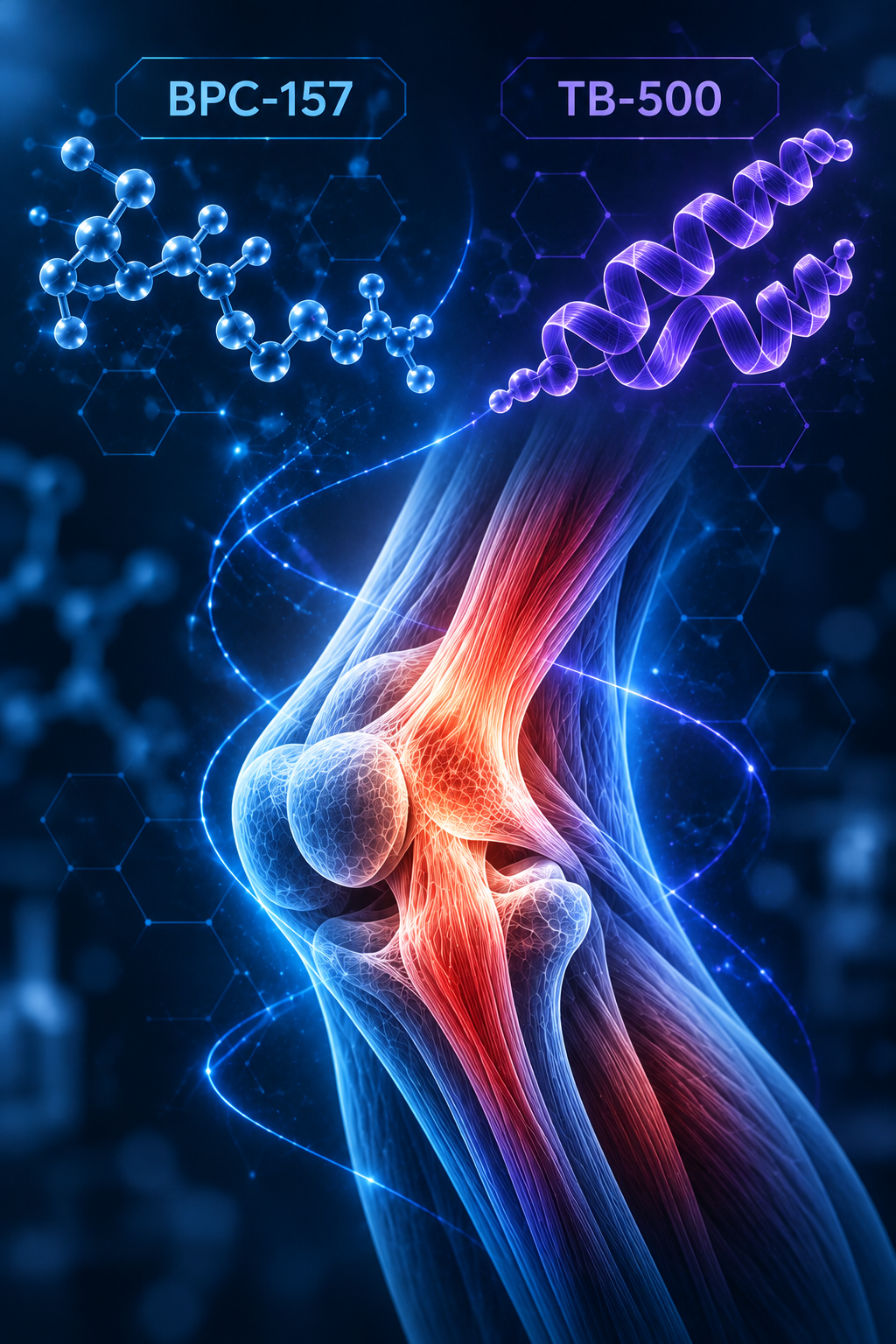
BPC-157 vs. TB-500 for Injury Recovery: What Scientific Research Shows
Explore BPC-157 vs. TB-500 for injury recovery, including their biological mechanisms, tendon and ligament research, key scientific differences, and current limitations.
Read article →
best-peptides-for-anti-aging
Which peptides have the most promising anti-aging research? Explore GHK-Cu, Epitalon, MOTS-c, BPC-157, and growth hormone–related peptides, including their potential roles in skin aging, cellular function, mitochondrial signaling, and tissue maintenance. Discover what scientific studies show and where important research limitations remain.
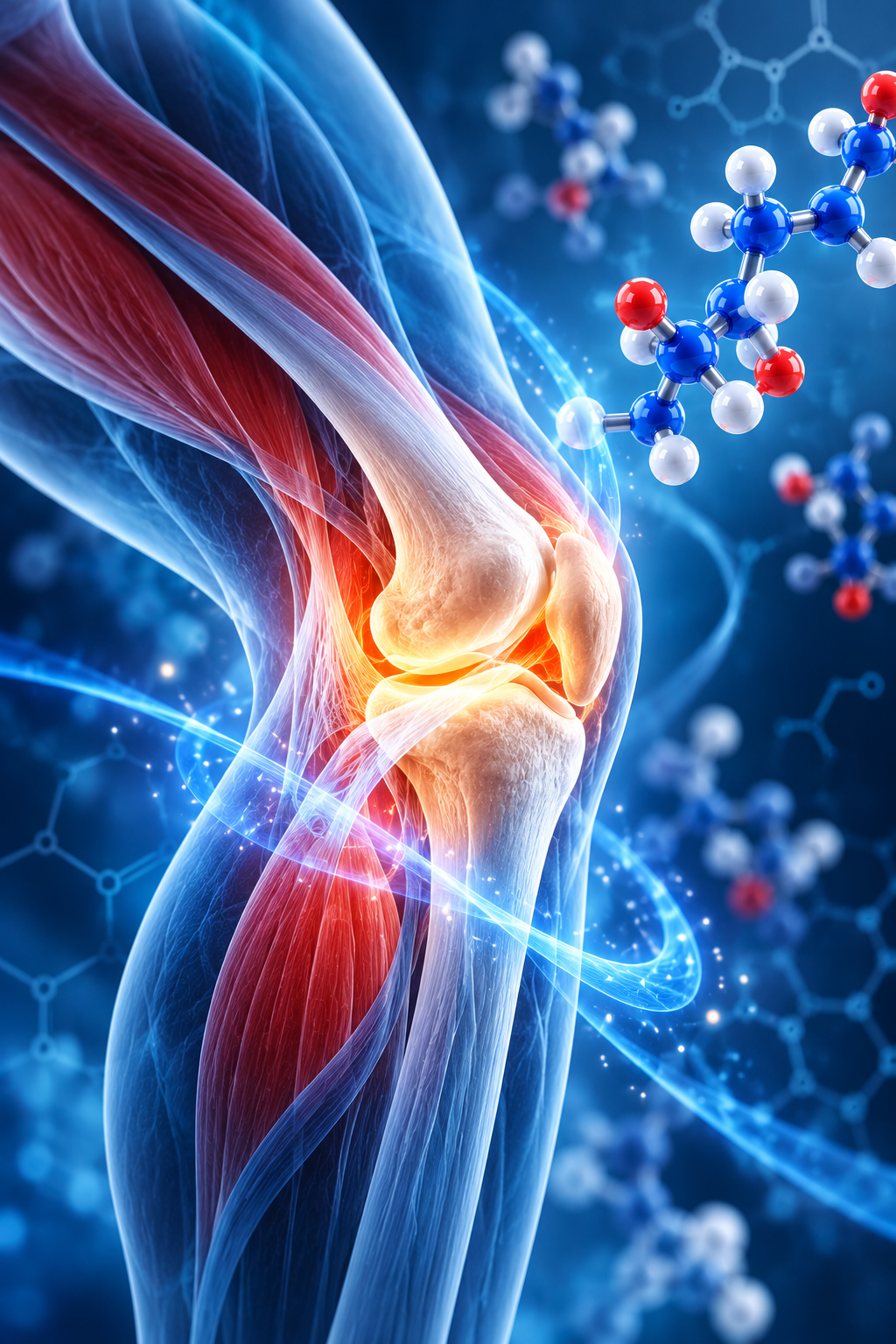
Best Peptides for Injury Recovery: What Scientific Research Shows
Explore the scientific research behind peptides investigated for injury recovery, including BPC-157, TB-500, GHK-Cu, and growth hormone–related peptides. Discover their proposed mechanisms, experimental findings, and current research limitations.
BPC-157 Research: Potential Benefits, Mechanisms & What the Studies Show
Explore the current research on BPC-157, including studies investigating tendon, ligament, muscle, gastrointestinal, inflammatory, and tissue-repair pathways. We examine what preclinical studies have found, where human evidence remains limited, and what researchers still need to determine.
This article summarizes published third-party scientific literature — much of it conducted in cultured cells or animal models. It is not medical advice, not a therapeutic or performance claim, and not a usage guide. Peptide Purity USA products are sold strictly for in vitro laboratory research and are not for human or veterinary use. Read our content disclosures.