
Introduction
If you've been researching peptide blends for skin health, tissue repair, and recovery, you've probably come across two popular names: KLOW and GLOW peptides.
Both blends have attracted attention for combining multiple research peptides into a single formula. But when comparing KLOW vs. GLOW, the difference is actually pretty simple.
KLOW contains everything found in GLOW, plus one additional peptide called KPV.
GLOW combines three research peptides: GHK-Cu, BPC-157, and TB-500. Each has been studied for its potential role in skin health, tissue remodeling, and repair-related biological processes.
KLOW includes those same three compounds but adds KPV, a peptide being investigated for its potential anti-inflammatory properties.
That extra ingredient is the biggest difference between the two blends.
While GLOW focuses on three peptides associated with tissue repair and regeneration research, KLOW expands the formula to include an additional compound involved in inflammation research.
So is KLOW better than GLOW, and what exactly does KPV bring to the blend?
Let's compare their ingredients, explore the potential research benefits, and explain what makes these two peptide blends different.
Research Background
What Is the GLOW Peptide Blend?
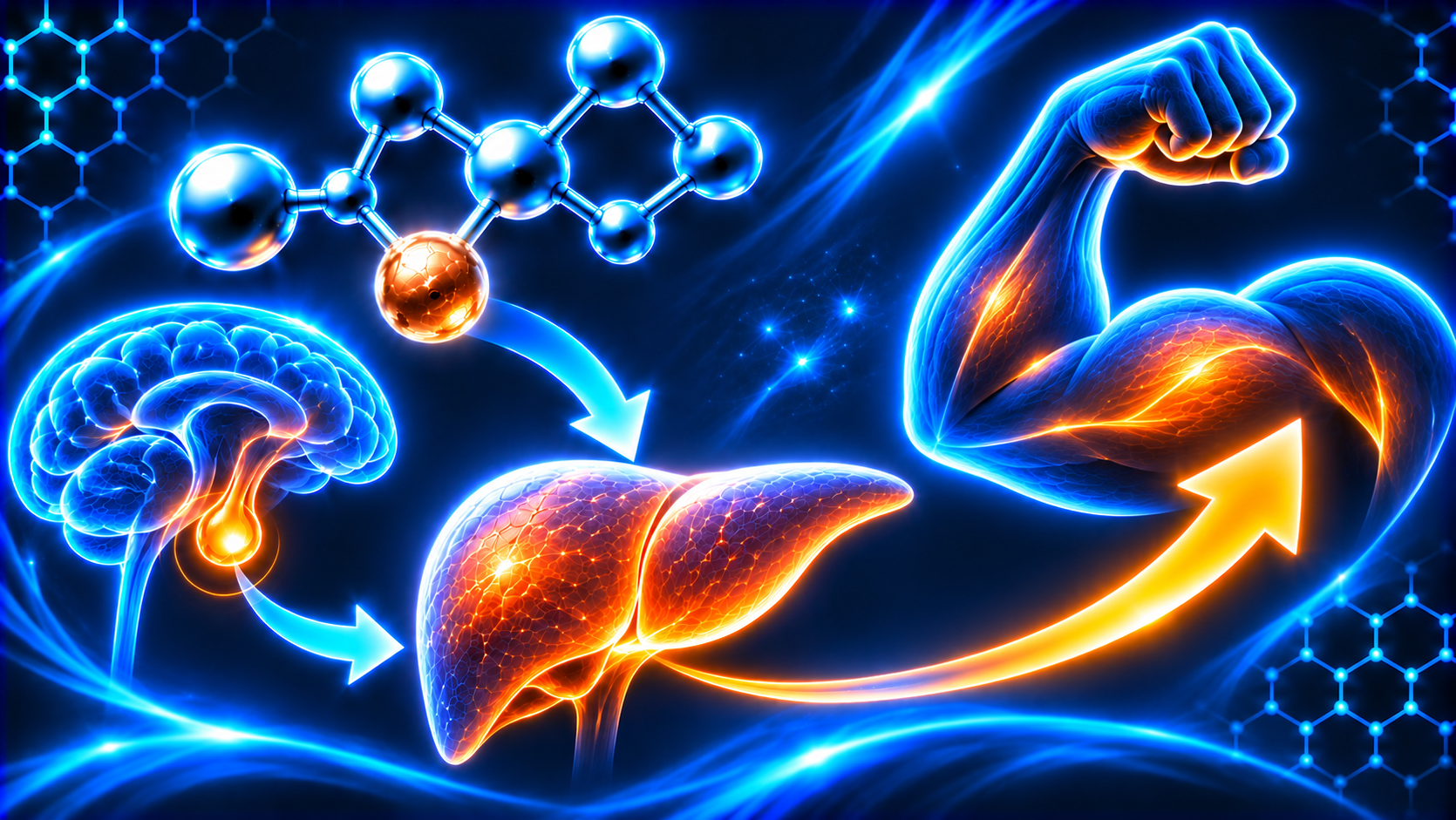
GLOW is a research peptide blend that combines three compounds: GHK-Cu, BPC-157, and TB-500.
Each peptide has attracted scientific interest for its potential involvement in skin health, tissue repair, and recovery-related biological processes.
GHK-Cu: A copper peptide studied for its role in collagen production, skin health, and tissue remodeling.
BPC-157: A research peptide investigated for its potential involvement in tissue repair, cellular protection, and recovery.
TB-500: A synthetic peptide associated with research into cell movement and tissue repair. Evidence from studies of full-length thymosin beta-4 does not necessarily apply to TB-500.
By combining these three peptides, GLOW brings together compounds that researchers have investigated through different biological pathways.
Although the individual peptides have shown interesting findings in laboratory and preclinical studies, the complete GLOW blend has not been proven safe or effective in human clinical trials.
What Is the KLOW Peptide Blend?
KLOW is a four-peptide research blend that builds directly on the GLOW formula.
It contains the same three peptides found in GLOW—GHK-Cu, BPC-157, and TB-500—plus one additional compound: KPV.
KPV is a small peptide made up of three amino acids. It has attracted research interest for its potential anti-inflammatory properties and its ability to influence certain inflammatory signaling pathways.
This additional ingredient gives KLOW a broader research focus.
While the original three peptides are commonly investigated for their involvement in tissue repair and remodeling, KPV introduces another compound associated with inflammation regulation.
The simplest way to understand KLOW vs. GLOW is that KLOW contains the same three core peptides, with KPV added as a fourth ingredient.
That doesn't automatically mean KLOW produces better results, but it does explain why researchers may be interested in the expanded formulation.
Main Research Findings
KLOW vs. GLOW: Side-by-Side Comparison
The biggest difference between KLOW and GLOW peptides comes down to one ingredient.
KLOW contains all three peptides found in GLOW, plus KPV.
Here's how the two research blends compare:
| Peptide | GLOW | KLOW |
|---|---|---|
| GHK-Cu | ✓ | ✓ |
| BPC-157 | ✓ | ✓ |
| TB-500 | ✓ | ✓ |
| KPV | — | ✓ |
| Total Peptides | 3 | 4 |
Both blends share the same three core research compounds. KLOW simply adds a fourth peptide, expanding the formulation to include KPV.
The exact amount of each peptide may vary depending on the manufacturer, so ingredient quantities should always be checked separately.
What Does KPV Add to KLOW?
KPV is what sets KLOW apart from GLOW.
This small peptide consists of three amino acids and is derived from a portion of alpha-melanocyte-stimulating hormone (alpha-MSH), a naturally occurring hormone involved in several biological processes.
Researchers have become interested in KPV because of its potential anti-inflammatory properties.
Laboratory and animal studies suggest KPV may help influence biological pathways involved in inflammation, including:
Inflammatory signaling: KPV has been investigated for its ability to reduce certain inflammatory signals in experimental models.
Cellular protection: Research has explored how KPV may influence cellular responses associated with inflammation.
Gut inflammation: Preclinical studies have examined KPV's potential effects on inflammatory processes in intestinal tissue.
NF-κB regulation: KPV has demonstrated activity involving NF-κB, an important signaling pathway associated with inflammation.
These findings make KPV an interesting addition to a blend already focused on tissue repair and remodeling research.
In simple terms, GLOW contains three peptides associated with repair-related research, while KLOW includes those same peptides plus KPV for an additional focus on inflammation.
However, KPV's preclinical findings do not establish that the complete KLOW blend produces stronger results than GLOW.
What Benefits Do KLOW and GLOW Have in Common?
Because KLOW contains the same three core peptides as GLOW, both blends share several areas of scientific interest.
GHK-Cu and Skin Health
GHK-Cu has been studied for its potential role in collagen production, skin remodeling, and cellular repair processes.
BPC-157 and Tissue Recovery
BPC-157 has shown promising findings in preclinical research involving tissue protection, blood vessel formation, and repair-related biological activity.
TB-500 and Tissue Repair
TB-500 has attracted interest for its possible involvement in cell movement and tissue repair. However, direct evidence for TB-500 remains limited, and findings involving full-length thymosin beta-4 cannot automatically be applied to it.
These shared ingredients explain why KLOW and GLOW are often discussed in similar areas of peptide research.
The main takeaway is simple: KLOW doesn't replace the three peptides in GLOW. It keeps them and adds KPV as a fourth research compound.
Research Methodology / Context
How Have KLOW and GLOW Peptides Been Studied?
Most of the scientific research behind KLOW and GLOW comes from studies examining their individual peptide ingredients rather than the complete blends.
Researchers have investigated GHK-Cu, BPC-157, TB-500, and KPV through laboratory experiments, cell studies, and animal models.
These studies explore how different peptides interact with biological processes involved in skin health, tissue repair, and inflammation.
For example, GHK-Cu research has examined collagen-related activity and skin remodeling, while BPC-157 studies have investigated tissue repair and protective cellular responses.
Research involving thymosin beta-4 has explored cell migration and wound repair, although those findings cannot automatically be applied to the TB-500 fragment.
KPV has been studied for its potential influence on inflammatory signaling, including pathways involved in regulating inflammation.
This research helps explain why these four compounds are combined in the KLOW peptide blend.
However, studying individual ingredients is different from testing them together.
There is currently no established clinical evidence showing that the complete KLOW formula is more effective than GLOW.
The important distinction is that KLOW contains one additional research peptide, but the benefits of combining all four compounds still require further investigation.
Current Research Limitations
What Does Research Still Need to Prove?
Although the individual peptides found in KLOW and GLOW have attracted scientific interest, research on the complete blends remains limited.
Most available studies focus on individual compounds rather than how they perform when combined.
There are currently no established human clinical trials directly comparing KLOW vs. GLOW peptides.
This means researchers have not yet confirmed whether adding KPV to the GLOW formula improves its overall effectiveness.
There are also unanswered questions about how the peptides interact, their combined stability, and their safety when used together.
While KPV has demonstrated potential anti-inflammatory activity in laboratory and animal studies, those findings do not establish that KLOW provides greater benefits than GLOW in humans.
The key takeaway is that KLOW contains one additional peptide with its own promising area of research, but more ingredients do not automatically mean better results.
Further studies are needed to determine whether the four-peptide combination offers advantages beyond its individual components.
Discussion
Is KLOW Better Than GLOW?
When comparing KLOW vs. GLOW peptides, one of the biggest questions is whether KLOW offers an advantage over the original GLOW formula.
From an ingredient standpoint, KLOW offers a broader research blend because it contains everything found in GLOW, plus KPV.
Both blends include GHK-Cu, BPC-157, and TB-500, three peptides investigated for their potential involvement in skin health, tissue remodeling, and repair-related processes.
KLOW builds on that foundation by adding KPV, a peptide studied for its potential anti-inflammatory properties.
This is what makes KLOW particularly interesting from a research perspective.
Rather than focusing only on the three original compounds, KLOW introduces a fourth peptide associated with inflammatory signaling and cellular responses.
Why Would Researchers Choose KLOW Over GLOW?
The biggest reason to investigate KLOW instead of GLOW is the addition of KPV.
Researchers interested in the original three peptides may find either blend relevant to their work.
However, researchers also studying inflammation-related pathways may be interested in KLOW because it includes KPV alongside those same three compounds.
KLOW doesn't remove or replace anything from the GLOW formula. It simply adds another peptide with a different area of scientific interest.
That makes KLOW a more comprehensive formulation in terms of ingredient count and the range of biological pathways being investigated.
However, a broader formula does not necessarily produce stronger biological effects. There is currently no direct clinical evidence demonstrating that KLOW performs better than GLOW.
Which Peptide Blend Has More Ingredients?
The answer is straightforward:
GLOW contains three peptides. KLOW contains four.
The additional compound in KLOW is KPV, which has attracted attention for its potential role in inflammation research.
For researchers comparing the two blends, this is the most important difference to understand.
KLOW is essentially the GLOW peptide blend with KPV added, offering an additional compound for research into inflammatory processes.
Conclusion
When comparing KLOW vs. GLOW peptides, the biggest difference comes down to one additional ingredient.
GLOW contains three research peptides: GHK-Cu, BPC-157, and TB-500.
KLOW contains those same three peptides, plus KPV.
Both blends bring together compounds studied for their potential roles in skin health, tissue remodeling, and repair-related biological processes.
What makes KLOW different is the addition of KPV, a peptide that has attracted scientific interest for its potential anti-inflammatory properties.
This gives KLOW a broader research focus by introducing another compound associated with inflammatory signaling.
While the individual peptides have shown interesting findings in laboratory and preclinical studies, more research is needed to determine whether the complete KLOW blend offers advantages over GLOW.
The bottom line: KLOW is GLOW plus KPV. It contains the same three core peptides with one additional compound for inflammation-related research.
At Peptide Purity USA, we emphasize high-quality research materials, analytical transparency, and responsible scientific investigation.
Research Use Only: All research materials offered by Peptide Purity USA are intended strictly for laboratory research purposes. Not for human or veterinary consumption. Not intended for diagnostic or therapeutic applications.
References
- 1. Dalmasso, G., Charrier-Hisamuddin, L., Nguyen, H. T. T., Yan, Y., Sitaraman, S., & Merlin, D. (2008). PepT1-mediated tripeptide KPV uptake reduces intestinal inflammation. Gastroenterology, 134(1), 166–178. DOI: 10.1053/j.gastro.2007.10.026.
- 2. Pickart, L., & Margolina, A. (2018). Regenerative and protective actions of the GHK-Cu peptide in the light of the new gene data. International Journal of Molecular Sciences, 19(7), 1987. DOI: 10.3390/ijms19071987.
- 3. Pickart, L., & Margolina, A. (2018). Skin regenerative and anti-cancer actions of copper peptides. Cosmetics, 5(2), 29. DOI: 10.3390/cosmetics5020029.
- 4. Vasireddi, N., Hahamyan, H., Salata, M. J., Karns, M., Calcei, J. G., Voos, J. E., & Apostolakos, J. M. (2025). Emerging use of BPC-157 in orthopaedic sports medicine: A systematic review. HSS Journal, 21(4), 485–495. DOI: 10.1177/15563316251355551.
- 5. McGuire, F., Hughes, E., Maak, T., & Cushman, D. M. (2026). Thymosin beta-4 and TB-500 in tissue healing, regeneration, and musculoskeletal repair: A scoping review. Applied Sciences, 16(12), 6202. DOI: 10.3390/app16126202.
- 6. Poolton, J. T., Minett, J., & Kazmi, A. (2026). Human evidence for BPC-157 in orthopaedic and regenerative medicine: A systematic review of efficacy and safety. Acta Orthopaedica Belgica, 92(3). DOI: 10.52628/92.3.15837.