
Introduction
Can retatrutide help reduce stubborn belly fat? It's one of the biggest questions surrounding this investigational weight-loss peptide, especially as research continues to show impressive results for overall fat loss.
The short answer is yes. Research shows that retatrutide can significantly reduce belly fat, including visceral fat stored deep inside the abdomen. However, that doesn't mean it specifically targets stomach fat over other areas of the body.
In a 48-week clinical study, researchers found that participants receiving retatrutide experienced reductions in visceral belly fat of up to 48.3%, along with substantial decreases in fat stored just beneath the skin.
These findings are particularly interesting because losing belly fat isn't just about having a smaller waist. Excess visceral fat is linked to insulin resistance, heart disease, and other metabolic health concerns.
So, how does retatrutide affect abdominal fat, and what does the research actually tell us?
Let's look at how it works, what clinical studies have found, and why retatrutide is attracting so much attention in fat-loss research.
Research Background
Understanding Belly Fat: Why It Matters
Before looking at how retatrutide affects belly fat, it helps to understand that not all abdominal fat is the same.
There are two main types:
Subcutaneous Fat: This is the softer fat stored directly beneath the skin. It's the belly fat you can typically pinch around your stomach and waist.
Visceral Fat: This fat sits deeper inside the abdomen, surrounding internal organs. Too much visceral fat is associated with insulin resistance, heart disease, and other metabolic health concerns.
Both types contribute to abdominal fat, but visceral fat is especially important in metabolic research because of its connection to long-term health.
How Does Retatrutide Help Reduce Belly Fat?
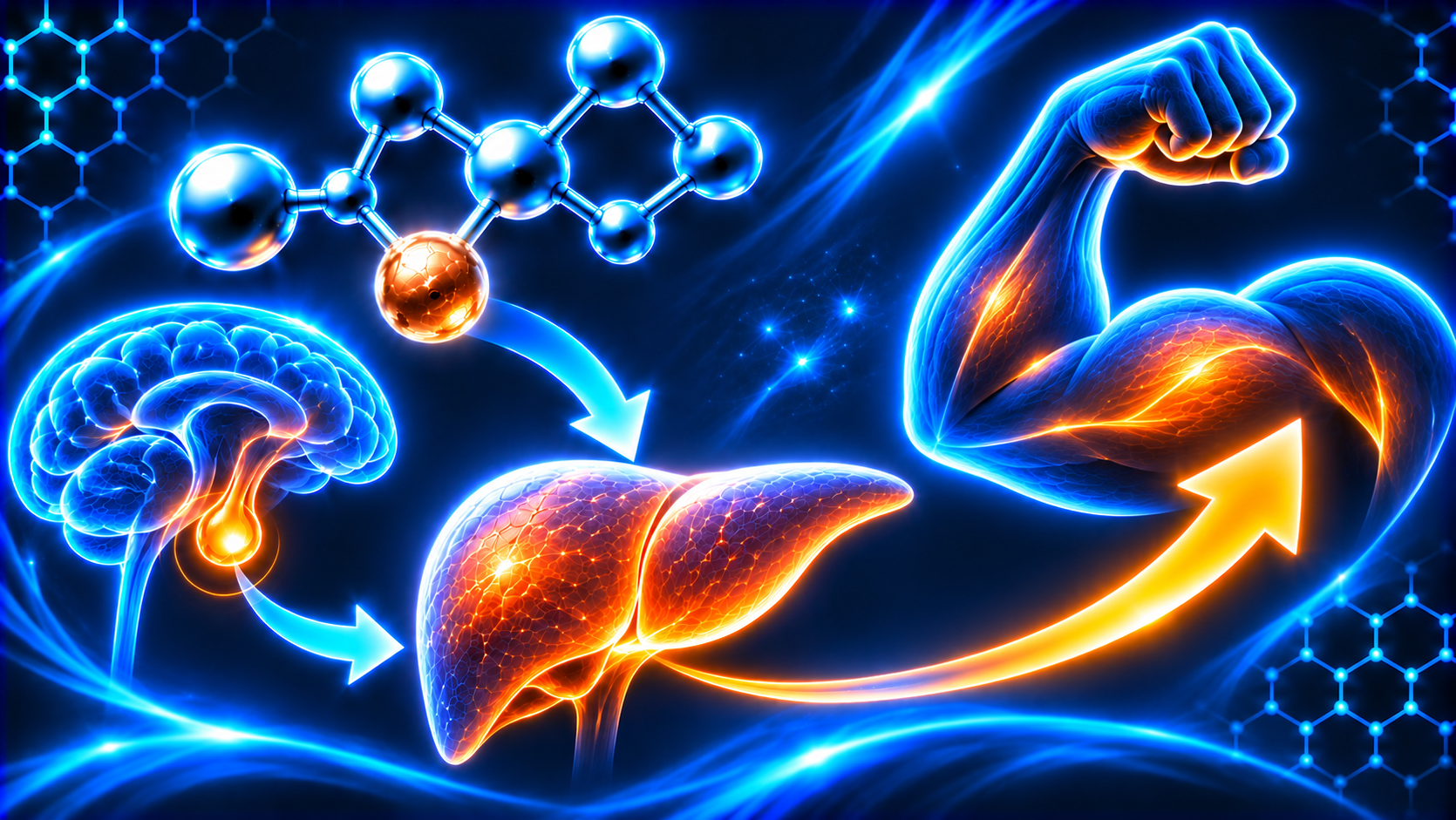
Retatrutide is different from traditional GLP-1 medications because it activates three hormone receptors instead of just one.
These receptors influence appetite, metabolism, and how the body uses energy.
GLP-1: Helps reduce hunger and increase feelings of fullness, which can lead to eating less.
GIP: Helps regulate insulin activity and supports the body's response to nutrients.
Glucagon: Influences energy expenditure and how the body processes stored energy.
By activating all three pathways, retatrutide can influence several processes involved in weight and fat reduction.
The important distinction is that retatrutide doesn't specifically tell the body to burn stomach fat. Instead, abdominal fat can decrease as part of the overall fat loss seen in clinical studies.
This is what makes the research particularly interesting: investigators have measured reductions in both visceral fat and the fat stored directly beneath the skin.
Main Research Findings
How Much Belly Fat Did Retatrutide Reduce?
One of the strongest findings comes from a 2024 clinical study published in Nature Medicine.
Researchers used MRI scans to measure changes in abdominal fat among participants receiving retatrutide over 48 weeks.
The results showed substantial reductions in both types of belly fat.
Retatrutide Belly Fat Reduction After 48 Weeks
| Type of Belly Fat | Average Reduction Across Treatment Groups |
|---|---|
| Visceral fat (deep belly fat) | 16.1%–48.3% |
| Subcutaneous fat (beneath the skin) | 13.2%–43.5% |
These percentages represent average reductions in abdominal fat volume across the different retatrutide treatment groups.
The standout finding was a 48.3% average reduction in visceral belly fat in one treatment group.
That's particularly interesting because visceral fat surrounds internal organs and is closely linked to metabolic health.
Did Retatrutide Also Reduce Waist Size?
Yes. Researchers also observed meaningful reductions in waist circumference.
Across the retatrutide treatment groups, average waist measurements decreased by approximately 6.1 to 20.6 centimeters (2.4 to 8.1 inches) over 48 weeks.
These findings show that the changes weren't limited to body weight on a scale. Participants also experienced measurable reductions around their waist.
Does Retatrutide Specifically Target Stomach Fat?
This is where the distinction matters.
Retatrutide has been shown to reduce belly fat, but researchers haven't established that it burns stomach fat faster than fat elsewhere in the body.
Instead, abdominal fat reduction appears to be part of the broader weight and fat loss associated with retatrutide.
Still, the MRI findings are encouraging. They show that retatrutide can substantially reduce both the deeper visceral fat and the fat stored directly beneath the skin.
For researchers studying obesity, body composition, and metabolic health, these results provide valuable evidence of retatrutide's effects on abdominal fat.
Research Methodology / Context
How Did Researchers Measure Belly Fat Loss?
One reason the retatrutide belly fat findings stand out is how researchers measured the results.
In the 2024 clinical study, researchers evaluated 98 adults with obesity and metabolic dysfunction-associated steatotic liver disease (MASLD), a condition involving excess fat in the liver.
Rather than relying only on body weight or waist measurements, researchers used MRI scans to measure abdominal fat directly.
This allowed them to track changes in two important areas:
Visceral fat: Fat stored deep inside the abdomen around internal organs.
Subcutaneous fat: Fat stored just beneath the skin around the stomach and waist.
The study followed participants for 48 weeks, allowing researchers to examine how abdominal fat changed over time.
Why does this matter?
A lower number on the scale doesn't always tell the full story about fat loss.
By using MRI scans, researchers could measure actual changes in abdominal fat volume rather than simply estimating fat loss from body weight.
These findings provide stronger evidence that retatrutide can reduce both types of belly fat, although the study wasn't designed to prove that it specifically targets the abdomen.
Current Research Limitations
What Do We Still Need to Learn?
Although retatrutide has shown promising results for belly fat reduction, there are still some important questions researchers are working to answer.
The 2024 abdominal fat study involved a relatively small group of participants, and not everyone completed all MRI measurements.
Researchers also haven't established whether retatrutide reduces belly fat faster than fat in other areas of the body.
What the research does show is that retatrutide can significantly reduce both visceral and subcutaneous abdominal fat. What remains unclear is whether it has any special fat-burning effect on the stomach itself.
Longer-term research is also needed to understand how well these reductions are maintained over time.
Retatrutide is still an investigational compound, and clinical studies have reported side effects, particularly nausea, vomiting, and diarrhea.
Even with these limitations, the abdominal fat findings provide encouraging evidence for continued research into retatrutide and fat loss.
Discussion
Why Retatrutide's Belly Fat Results Matter
When people think about losing belly fat, they often focus on getting a smaller waist. But reducing abdominal fat, especially visceral fat, can be important for metabolic health as well.
This is one reason retatrutide has attracted so much attention in weight-loss research.
Clinical studies have shown that retatrutide can produce substantial overall weight loss, while MRI findings confirm that both deep abdominal fat and fat beneath the skin can decrease significantly.
What's especially interesting is that retatrutide's effects go beyond changes on the scale. Researchers have measured actual reductions in fat stored around the abdomen.
Its action on GLP-1, GIP, and glucagon receptors also makes it an interesting compound for studying appetite, energy balance, and fat metabolism.
However, losing more overall body fat doesn't necessarily mean a compound specifically targets belly fat.
The bigger takeaway is that retatrutide has demonstrated meaningful abdominal fat reduction, including the visceral fat associated with metabolic health risks.
These findings help explain why retatrutide continues to be studied as a potential treatment for obesity and related metabolic conditions.
Conclusion
Does Retatrutide Really Help Reduce Belly Fat?
Yes. Clinical research shows that retatrutide can significantly reduce belly fat, including visceral fat stored deep inside the abdomen.
In a 48-week clinical study, researchers measured visceral fat reductions of up to 48.3% and subcutaneous abdominal fat reductions of up to 43.5% across the retatrutide treatment groups.
These findings are especially promising because they show measurable reductions in abdominal fat, not just changes in overall body weight.
While retatrutide hasn't been proven to specifically target stomach fat, its effects on appetite, energy balance, and fat metabolism make it an important compound in ongoing obesity research.
The bottom line: Retatrutide doesn't selectively burn belly fat, but clinical studies show it can substantially reduce both types of abdominal fat as part of overall weight loss.
As research continues, scientists are learning more about retatrutide's potential role in weight management, body composition, and metabolic health.
At Peptide Purity USA, we emphasize high-quality research materials, analytical transparency, and responsible scientific investigation.
Research Use Only: All research materials offered by Peptide Purity USA are intended strictly for laboratory research purposes. Not for human or veterinary consumption. Not intended for diagnostic or therapeutic applications.
References
- 1. Sanyal, A. J., et al. (2024). Triple hormone receptor agonist retatrutide for metabolic dysfunction-associated steatotic liver disease: A randomized phase 2a trial. Nature Medicine, 30, 2037–2048.
- 2. Jastreboff, A. M., Kaplan, L. M., Frías, J. P., et al. (2023). Triple-hormone-receptor agonist retatrutide for obesity—A phase 2 trial. The New England Journal of Medicine, 389(6), 514–526.
- 3. Coskun, T., Wu, Q., Schloot, N. C., et al. (2025). Effects of retatrutide on body composition in people with type 2 diabetes: A substudy of a phase 2, double-blind, parallel-group, placebo-controlled, randomised trial. The Lancet Diabetes & Endocrinology, 13(8), 674–684.
- 4. Jastreboff, A. M., Kaplan, L. M., Davies, M. J., et al. (2026). Retatrutide, a triple hormone receptor agonist, for treatment of obesity. The New England Journal of Medicine, 395, 1781–1793.