
Introduction
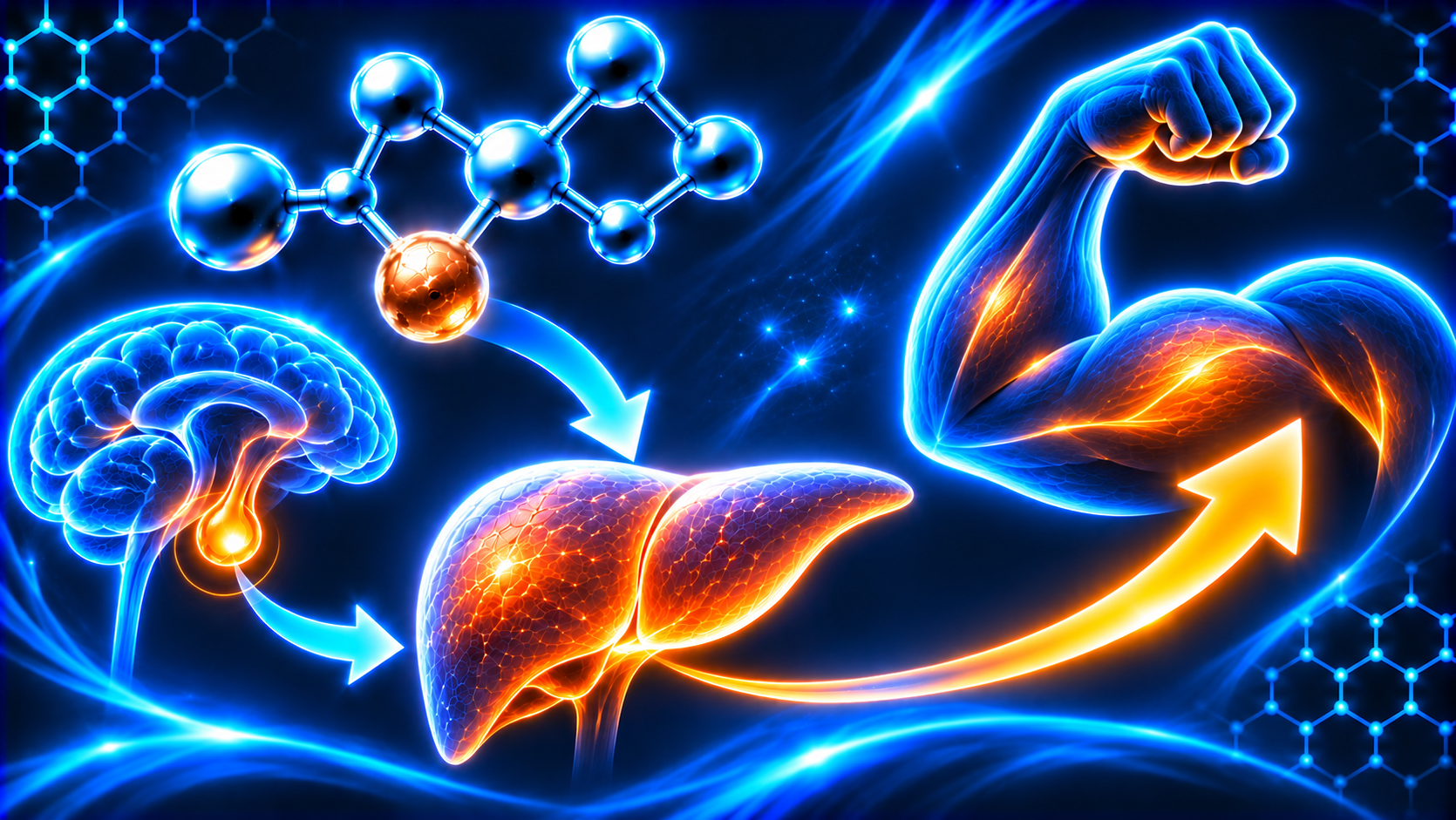
The Wolverine Peptide Blend, a combination of BPC-157 and TB-500, has gained attention in peptide research for its potential connection to injury recovery, tissue repair, and healing.
Named after Wolverine, the fictional character famous for his remarkable healing abilities, this peptide combination has become a popular topic among people interested in muscle recovery, tendon repair, and ligament healing.
But what makes the Wolverine Blend so interesting?
The answer lies in how these two peptides are being studied.
BPC-157 has shown promising results in animal studies involving tendon, ligament, and soft tissue repair.Meanwhile, research involving thymosin beta-4, a peptide closely associated with TB-500, has explored its role in cell movement, inflammation, and tissue regeneration.
Because these compounds are associated with different biological processes involved in healing, researchers have a scientific reason to investigate whether their effects could complement one another.
The idea behind the Wolverine Peptide Blend is simple: two compounds with different repair-related mechanisms may offer an interesting approach to studying tissue recovery.
Although research has not established that combining BPC-157 and TB-500 improves healing in humans, their individual research findings have generated considerable interest.
So, how does each peptide work, and what does the science actually tell us about the Wolverine Blend?
Research Background
What Is the Wolverine Peptide Blend?
The Wolverine Peptide Blend combines two research peptides, BPC-157 and TB-500, that have attracted attention for their potential roles in tissue repair and injury recovery.
Although both are associated with healing research, they have different origins and biological characteristics.
BPC-157 is a synthetic peptide made up of 15 amino acids. It has been investigated primarily in animal studies involving tendon healing, ligament repair, muscle injuries, and other forms of tissue damage.
Researchers have explored how BPC-157 may influence blood vessel formation, cellular signaling, and the rebuilding of damaged tissue.
TB-500 is a synthetic peptide associated with thymosin beta-4, a naturally occurring peptide involved in cell movement and tissue maintenance.
Research involving thymosin beta-4 has explored its potential influence on inflammation, blood vessel development, and tissue regeneration. However, TB-500 is a distinct peptide fragment, so findings involving full-length thymosin beta-4 cannot automatically be applied to TB-500.
Why Are BPC-157 and TB-500 Combined?
The idea behind combining BPC-157 and TB-500 comes from their potential involvement in different stages of tissue repair.
Healing is a complex process. Damaged tissue must receive nutrients, recruit repair-related cells, regulate inflammation, and rebuild its structural support.
BPC-157 research has focused heavily on connective tissue healing, while thymosin beta-4-related research has examined cellular movement and tissue remodeling.
Because these processes work together during recovery, scientists have begun investigating whether combining the two peptides could produce complementary effects.
A 2026 animal study examined BPC-157, TB-500, and their combination in Achilles tendon repair. The researchers observed improvements in certain tissue-healing measurements, although combining the peptides did not provide additional benefits over the individual treatments.
The Wolverine Blend remains an interesting area of recovery research because it brings together two compounds being investigated for their effects on tissue repair.
Further studies are needed to determine whether this combination offers meaningful advantages, particularly in humans.
Main Research Findings
1. BPC-157 and Tendon and Ligament Healing
One of the most promising areas of BPC-157 research involves its potential role in repairing damaged connective tissue.
Animal studies have investigated BPC-157 in tendon, ligament, and muscle injuries, with some reporting improvements in tissue organization, healing, and functional recovery.
Researchers believe these effects may involve blood vessel signaling and cellular processes that help damaged tissues rebuild.
These findings make BPC-157 an interesting candidate for further tendon and ligament repair research, particularly because connective tissues often recover slowly after injury.
However, most supporting evidence comes from animal experiments rather than controlled human clinical trials.
2. TB-500 and Tissue Repair
TB-500 has also attracted attention in recovery research, particularly because of its connection to thymosin beta-4.
Thymosin beta-4 has been studied for its involvement in cell movement, inflammation regulation, and tissue remodeling.
These processes matter because successful healing requires cells to move into damaged areas and help rebuild the surrounding tissue.
Although TB-500 is distinct from full-length thymosin beta-4, researchers have begun investigating its effects directly.
A 2026 animal study found that TB-500 improved certain measurements of Achilles tendon healing, including the strength of repaired tendons compared with untreated controls.
This provides an encouraging starting point for further investigation into TB-500 and connective tissue recovery.
3. What Does Research Show About the Wolverine Peptide Blend?
A 2026 study published in Joint Diseases and Related Surgery examined BPC-157, TB-500, and their combination in 32 rats recovering from surgically repaired Achilles tendon injuries.
Researchers compared four groups: an untreated control group, BPC-157 alone, TB-500 alone, and the combination.
After four weeks, they reported several important findings:
TB-500: Significantly improved the maximum force repaired tendons could withstand before failure compared with controls.
BPC-157: Showed encouraging numerical improvements in some measurements, although several differences were not statistically significant.
BPC-157 + TB-500: Improved certain microscopic measurements of tendon structure compared with controls.
Interestingly, the combination did not demonstrate greater benefits than either peptide alone.
The key finding is that both peptides showed signs of tissue-repair activity in this animal model, but combining them did not produce additional measurable advantages.
Although this was a small preclinical study, it provides valuable direct evidence for researchers investigating the Wolverine Peptide Blend.
4. Why These Findings Matter for Injury Recovery Research
Tendon injuries, ligament damage, and muscle strains all involve complex healing processes.
Repairing damaged tissue requires coordinated inflammation, cellular activity, collagen formation, and structural remodeling.
Research involving BPC-157 and TB-500 suggests these compounds may influence some of those processes.
This helps explain the continued scientific interest in Wolverine peptides for tissue repair, tendon healing, and injury recovery research.
While researchers have not established that the Wolverine Blend accelerates recovery in humans, the emerging preclinical findings provide a foundation for further investigation.
Current Research Limitations
Although research involving the Wolverine Peptide Blend, BPC-157, and TB-500 has produced encouraging early findings, several important questions remain.
Most evidence supporting these peptides comes from laboratory and animal studies. While these experiments help researchers understand potential healing mechanisms, they cannot establish whether the same benefits occur in humans.
The 2026 Achilles tendon study provided valuable insight into the combination, but it involved only 32 rats and did not demonstrate additional benefits from combining the peptides compared with using them individually.
Another important consideration is that TB-500 and full-length thymosin beta-4 are different compounds. Results from thymosin beta-4 studies cannot automatically be applied to TB-500.
Researchers also need more information about long-term safety, potential side effects, and how these compounds interact when combined.
Neither BPC-157 nor TB-500 is FDA-approved for treating injuries or accelerating recovery in humans.
Despite these limitations, early findings provide a scientific basis for continued investigation into their potential roles in tissue repair and recovery.
Conclusion
The Wolverine Peptide Blend, combining BPC-157 and TB-500, has become an interesting area of peptide research because of its potential connection to injury recovery, tendon healing, and tissue repair.
BPC-157 has demonstrated promising effects in preclinical studies involving tendons, ligaments, and other soft tissues. TB-500 has also attracted attention for its potential role in connective tissue repair, alongside broader research involving thymosin beta-4 and tissue regeneration.
The 2026 Achilles tendon study adds to this growing area of research, providing direct evidence that both peptides can influence certain measurements of tissue healing in an animal model.
Although combining BPC-157 and TB-500 did not demonstrate additional benefits over the individual compounds in that study, the findings support continued investigation into their biological activity.
The biggest takeaway is that Wolverine Peptide Blend research shows promising early signals for tissue repair, but its ability to improve injury recovery in humans remains unproven.
As further studies emerge, researchers will gain a clearer understanding of whether these compounds have meaningful applications in tissue regeneration and recovery science.
At Peptide Purity USA, we emphasize high-quality research materials, scientific transparency, and a better understanding of the compounds being investigated.
Research Use Only: All research materials offered by Peptide Purity USA are intended strictly for laboratory research purposes. Not for human or veterinary consumption. Not intended for diagnostic or therapeutic applications.
References
- 1. Biçer O, Adanir O, Güleryüz Y, et al. (2026). Effects of BPC-157 and TB-500 on Achilles tendon healing in rats: A histopathological and biomechanical study. Joint Diseases and Related Surgery, 37(3), 822–837.
- 2. Staresinic M, Sebecic B, Patrlj L, et al. (2003). Gastric pentadecapeptide BPC 157 accelerates healing of transected rat Achilles tendon and in vitro stimulates tendocytes growth. Journal of Orthopaedic Research, 21(6), 976–983.
- 3. Krivic A, Anic T, Seiwerth S, Huljev D, Sikiric P. (2006). Achilles detachment in rat and stable gastric pentadecapeptide BPC 157: Promoted tendon-to-bone healing and opposed corticosteroid aggravation. Journal of Orthopaedic Research, 24(5), 982–989.
- 4. Cerovecki T, Bojanic I, Brcic L, et al. (2010). Pentadecapeptide BPC 157 (PL 14736) improves ligament healing in the rat. Journal of Orthopaedic Research, 28(9), 1155–1161.
- 5. Staresinic M, Petrovic I, Novinscak T, et al. (2006). Effective therapy of transected quadriceps muscle in rat: Gastric pentadecapeptide BPC 157. Journal of Orthopaedic Research, 24(5), 1109–1117.
- 6. Malinda KM, Sidhu GS, Mani H, et al. (1999). Thymosin beta4 accelerates wound healing. Journal of Investigative Dermatology, 113(3), 364–368.