Introduction
Tendon and ligament injuries can take a long time to heal. Whether it's a strained Achilles tendon, an injured knee ligament, or a tendon that keeps getting irritated, recovery can be slow and frustrating. Even after the initial pain improves, the damaged tissue may still need weeks or months to regain its strength.
That's one reason BPC-157 has gained attention in tendon and ligament healing research.
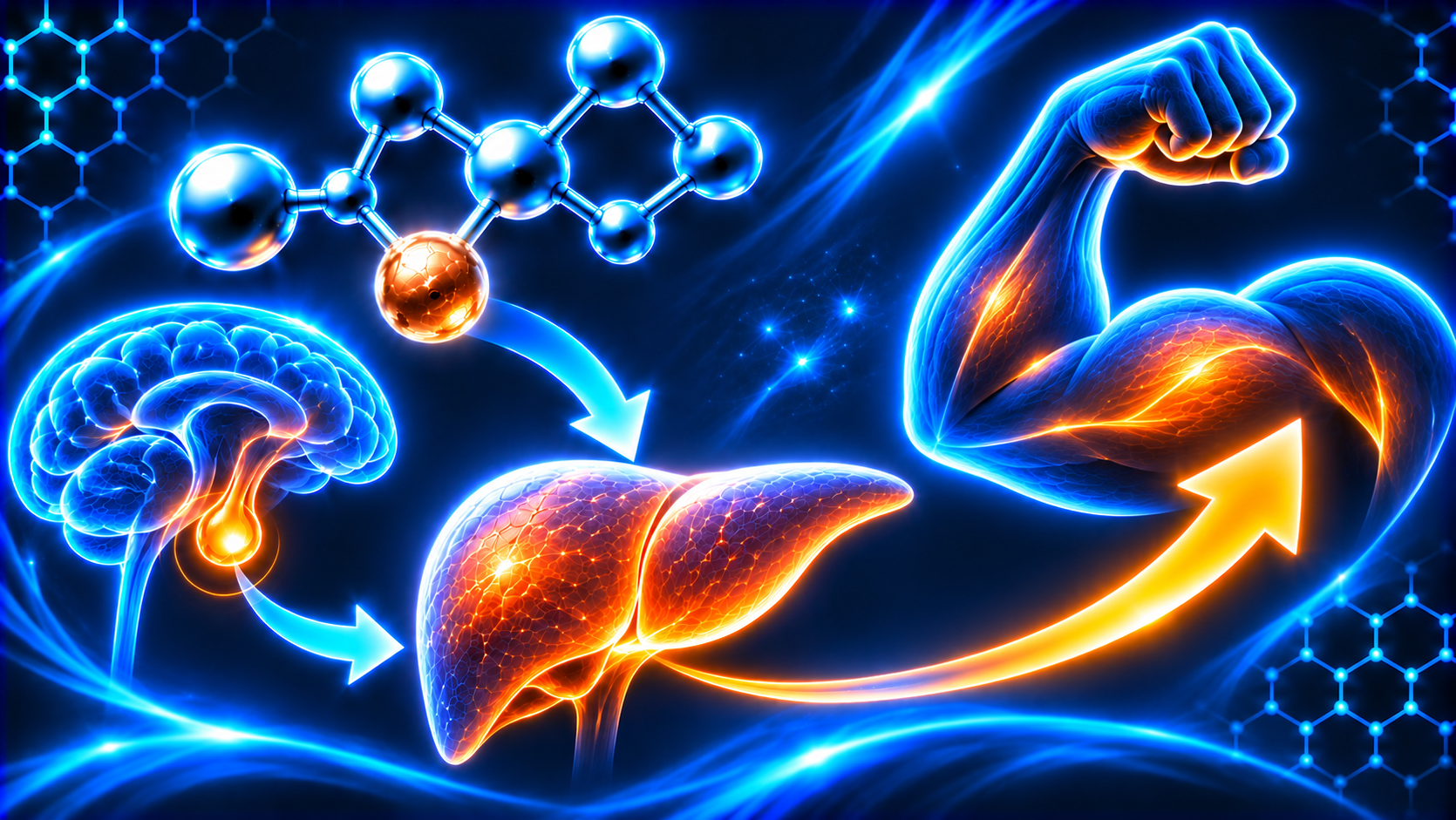
BPC-157 is an experimental peptide being studied for its potential to support tissue repair. Researchers are particularly interested in how it affects collagen, blood vessel formation, inflammation, and the rebuilding of damaged connective tissue.
Early animal studies have shown encouraging results. Researchers have observed improvements in tendon strength, ligament healing, and the organization of new tissue. These findings suggest BPC-157 may influence several important parts of the healing process, although the same benefits have not yet been proven in humans.
Can BPC-157 Help Tendons and Ligaments Heal?
Research suggests BPC-157 may support tendon and ligament repair in animal models, but there isn't enough human evidence to confirm that it works as a treatment.
Studies involving Achilles tendon injuries and damaged knee ligaments have reported improvements in tissue strength, collagen organization, and recovery measurements.
What makes BPC-157 interesting is that researchers aren't looking at just one part of healing. They're investigating whether it can influence several processes that help damaged connective tissue rebuild itself.
In this article, we'll explain what BPC-157 is, how it may affect tendon and ligament healing, what studies have discovered, and where the research still has limitations.
Research Background
What Is BPC-157?
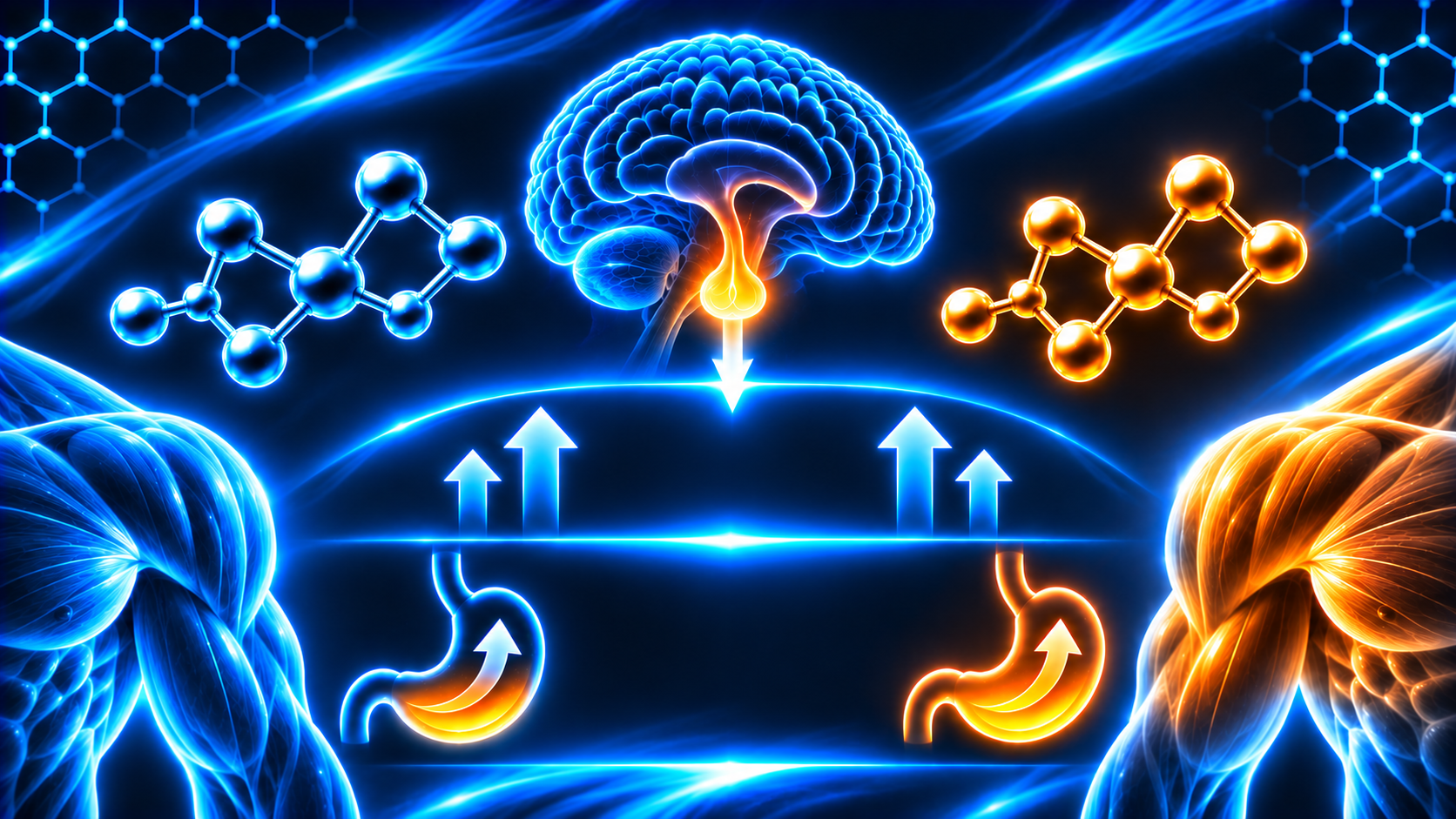
BPC-157 is an experimental peptide made up of 15 amino acids that researchers are studying for its potential role in tissue repair and recovery.
It was developed from a protein sequence associated with gastric juice. While early research focused on the digestive system, scientists eventually began investigating whether BPC-157 could also influence healing in other areas of the body.
That research expanded to include muscles, tendons, ligaments, and other connective tissues.
What makes BPC-157 particularly interesting is that it appears to influence several processes involved in tissue repair.
Animal and laboratory studies suggest it may affect:
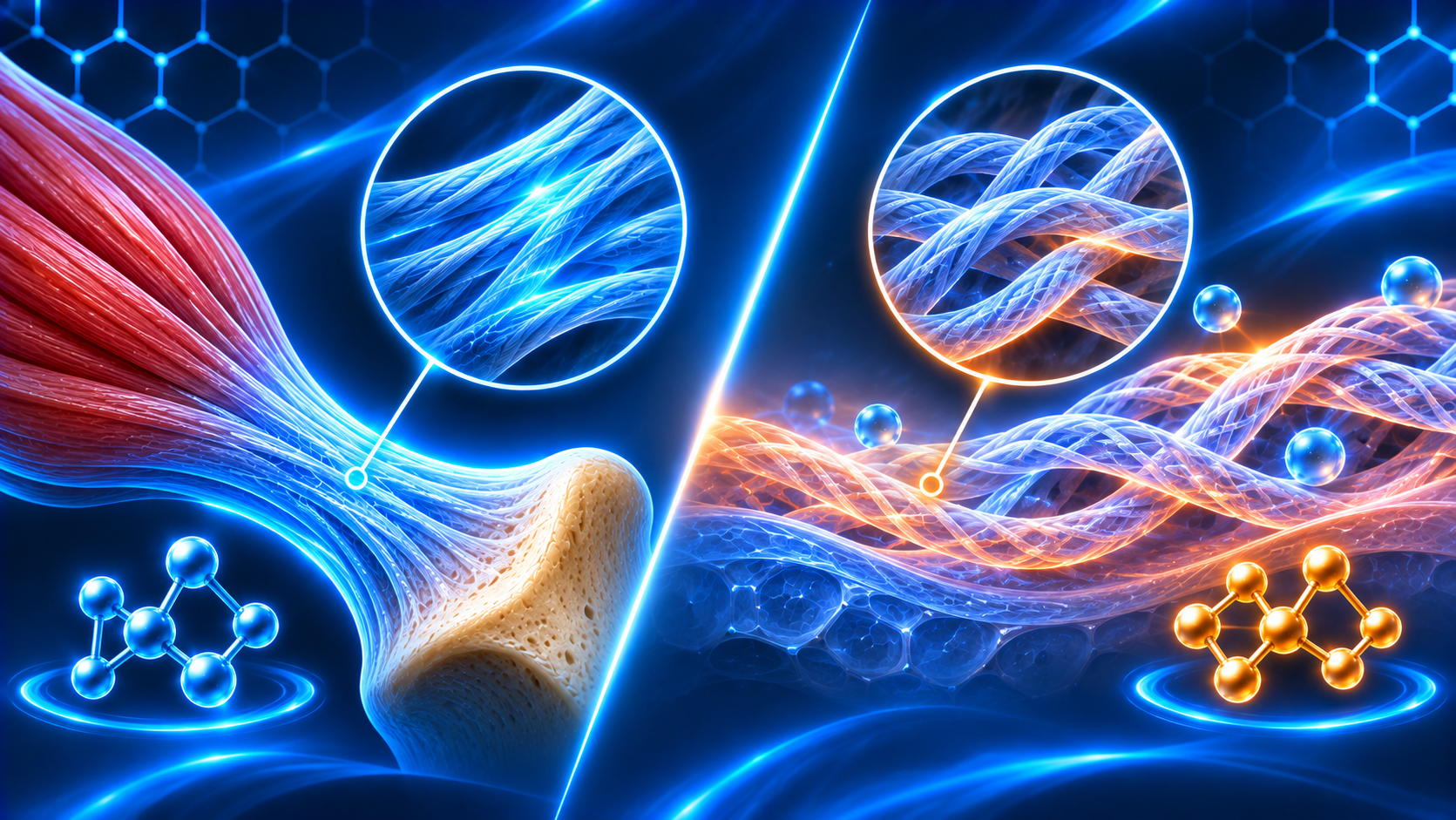
Collagen organization: Helping researchers understand how damaged connective tissue rebuilds its structure.
Blood vessel formation: Influencing the development of blood vessels that supply healing tissue.
Cellular repair activity: Affecting cells involved in rebuilding damaged tendons and ligaments.
Inflammation: Influencing inflammatory responses that occur after an injury.
Tissue strength: Improving certain measurements of tendon and ligament strength in animal studies.
These findings have made BPC-157 tendon and ligament healing an important area of ongoing peptide research.
Why Do Tendons and Ligaments Take So Long to Heal?
Tendons and ligaments are both types of connective tissue, but they serve different purposes.
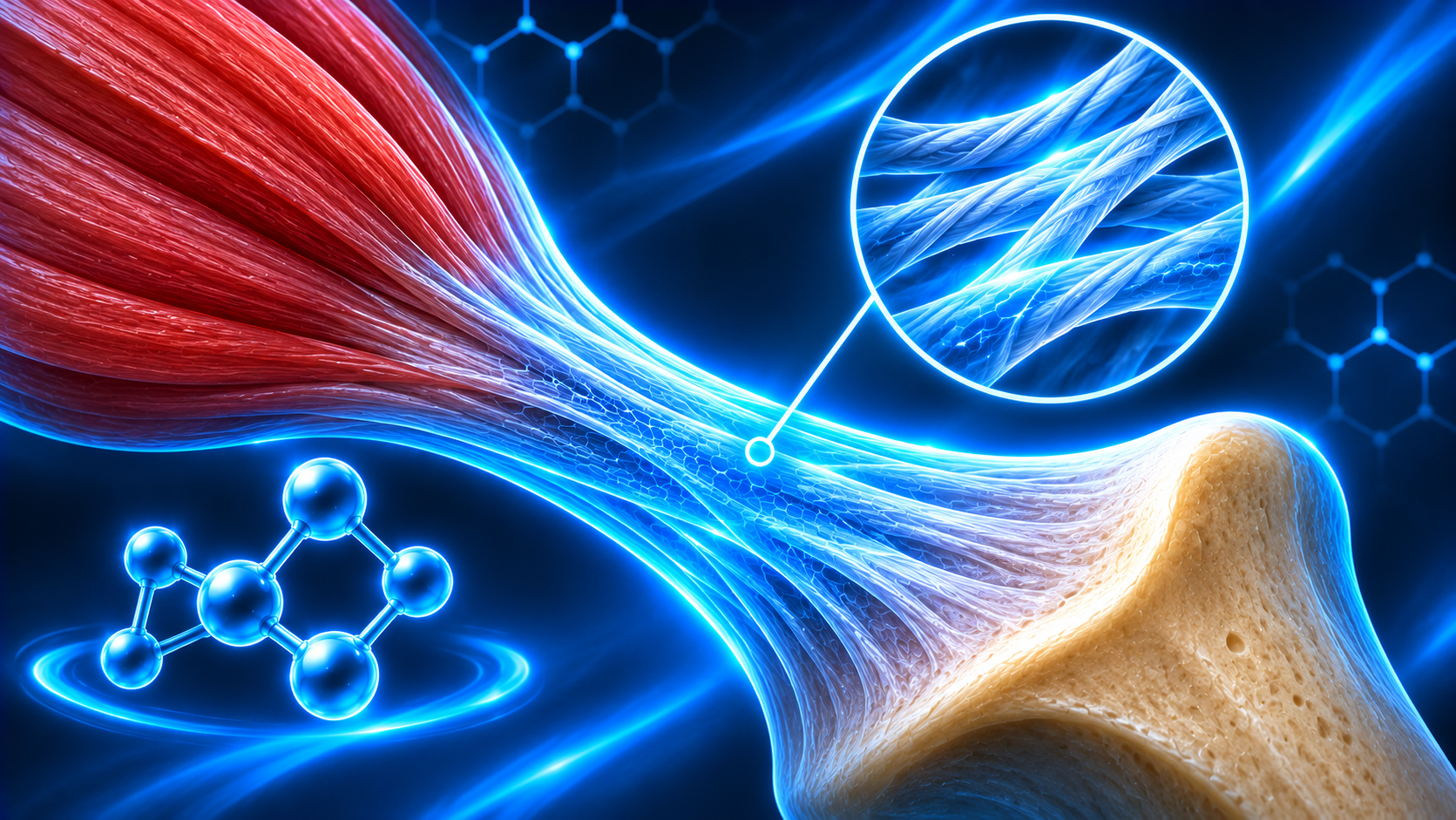
Tendons connect muscles to bones. They help transfer force when you walk, run, lift, or move. The Achilles tendon, patellar tendon, and rotator cuff tendons are common examples.
Ligaments connect bones to other bones. Their main job is to stabilize joints and prevent excessive movement. Examples include the ACL and MCL in the knee and the ligaments surrounding the ankle.
Both tissues are made largely of collagen, a strong protein that helps them withstand pulling and stretching forces.
The challenge is that many tendons and ligaments have a relatively limited blood supply compared with muscles. This can make it harder for damaged areas to receive the oxygen and nutrients needed for recovery.
Healing also involves more than simply repairing a tear.
The body must rebuild collagen fibers, organize them properly, and gradually restore the tissue's strength. This process can take months, depending on the injury.
Why Are Researchers Studying BPC-157 for Tendon Repair?
Researchers are interested in BPC-157 because early studies suggest it may influence several important steps in connective tissue healing.
In animal experiments, BPC-157 has been associated with improvements in tendon structure, collagen organization, and mechanical strength. Studies involving injured ligaments have also reported encouraging results.
These findings raise the possibility that BPC-157 could influence how damaged connective tissue rebuilds itself.
The key takeaway: BPC-157 has shown promising effects in animal tendon and ligament repair studies, but researchers still need human clinical trials to determine whether those benefits translate to people.
Main Research Findings
1. BPC-157 and Achilles Tendon Healing
One of the most promising areas of BPC-157 research involves the Achilles tendon, the thick tendon connecting the calf muscles to the heel.
Achilles tendon injuries can be difficult to recover from because the tendon experiences significant stress during everyday movement. Even after an injury begins to heal, restoring its original strength can take considerable time.
Researchers have investigated whether BPC-157 could influence this recovery process.
In a 2003 animal study, scientists examined the effects of BPC-157 on injured Achilles tendons in rats. Compared with untreated animals, the BPC-157 groups showed improvements in several measurements of healing.
Researchers observed:
Improved tendon strength: Healing tendons performed better in mechanical strength testing.
Better tissue organization: Newly formed tendon tissue showed improvements in its structure.
Improved functional recovery: Certain measurements of movement and tendon function improved.
Changes in inflammation: Researchers observed differences in inflammatory activity around injured tissue.
These findings were particularly interesting because the researchers measured more than how the tendon looked. They also examined how much force the healing tissue could withstand.
The key finding: BPC-157 improved several measurements of Achilles tendon healing in rats, suggesting it may influence both tissue repair and the recovery of mechanical strength.
Whether these effects occur in human Achilles tendon injuries remains unknown.
2. Can BPC-157 Help With Ligament Repair?
BPC-157 research has also explored ligament healing, particularly injuries involving the medial collateral ligament (MCL) in the knee.
The MCL helps keep the knee stable by preventing excessive sideways movement. When injured, the ligament must rebuild damaged collagen fibers and gradually regain its ability to support the joint.
In a 2010 rat study, researchers examined how BPC-157 affected the healing of injured MCLs.
The findings showed improvements in several important areas:
Ligament strength: Treated ligaments showed better results in mechanical testing.
Joint stability: Researchers observed improvements in measurements related to knee stability.
Collagen organization: Healing ligament tissue showed structural improvements.
Functional recovery: Certain movement and recovery measurements improved.
These findings suggest BPC-157 may influence more than the early stages of tissue repair. In this animal model, it was also associated with improvements in the strength and function of the healing ligament.
The key finding: BPC-157 showed encouraging results in experimental knee ligament injuries, particularly in measurements of ligament strength and stability.
However, this does not establish that BPC-157 can repair human ACL tears, MCL injuries, or ankle sprains.
3. BPC-157 and Collagen Repair
Collagen plays a major role in tendon and ligament healing.
When connective tissue becomes damaged, the body begins producing new collagen to rebuild the injured area. However, producing collagen is only part of the process.
The new fibers must also become organized and strong enough to handle movement and physical stress.
This is another area where BPC-157 has attracted research interest.
Animal studies have reported improvements in the organization and appearance of collagen fibers within healing tendons and ligaments.
Researchers have also investigated how BPC-157 affects fibroblasts, the cells responsible for producing and maintaining connective tissue.
A 2011 laboratory study found that BPC-157 increased the movement and survival of tendon-derived fibroblasts under experimental conditions.
Why does this matter?
Fibroblasts help rebuild the framework of damaged connective tissue. Their ability to move into an injured area and participate in repair is an important part of the healing process.
The key finding: Laboratory and animal research suggests BPC-157 may influence collagen remodeling and the activity of cells involved in tendon repair.
These findings are promising, but they do not prove that BPC-157 increases collagen production or restores normal tendon strength in humans.
4. BPC-157 and Blood Vessel Formation
Blood circulation is important for healing because it helps deliver oxygen and nutrients to damaged tissue.
Many tendons and ligaments have a limited blood supply, which is one reason injuries in these areas can take longer to recover.
Researchers have investigated whether BPC-157 influences angiogenesis, the process of forming new blood vessels.
Preclinical studies suggest BPC-157 may affect biological signals involved in blood vessel growth and repair, including pathways associated with VEGF and nitric oxide.
In certain experimental injury models, researchers observed changes in blood vessel activity around damaged tissue.
This has raised interest in whether BPC-157 could influence the environment surrounding a healing tendon or ligament.
The key finding: BPC-157 has shown effects on blood vessel signaling in preclinical research, but scientists have not established whether these effects improve human tendon or ligament recovery.
5. BPC-157 and Inflammation During Recovery
Inflammation is a normal part of healing.
When a tendon or ligament becomes injured, the body sends cells and chemical signals to the damaged area to begin the repair process.
Some inflammation is necessary. However, prolonged or poorly regulated inflammation can interfere with normal tissue recovery.
BPC-157 has been studied for its potential effects on inflammatory responses.
In animal experiments, researchers have reported changes in inflammatory activity and reduced accumulation of certain inflammatory cells in injured tissues.
These findings suggest BPC-157 may influence how the body responds during the early stages of tissue repair.
The key finding: BPC-157 may help regulate certain inflammatory processes in experimental injury models, although it has not been proven to reduce pain or treat tendon inflammation in humans.
6. BPC-157 and Tendon-to-Bone Healing
Some tendon injuries occur where the tendon attaches directly to bone.
These areas can be particularly difficult to repair because the healing tissue must restore a strong connection between two different structures.
Researchers have explored BPC-157 in experimental models involving tendon-to-bone healing and related connective tissue injuries.
Some animal studies have reported improvements in tissue organization, mechanical strength, and functional recovery.
This research is relevant to understanding complex injuries involving tendon attachment points, including areas such as the shoulder and knee.
The key finding: Early research suggests BPC-157 may influence tendon-to-bone repair in animal models, but there is not enough human evidence to establish benefits for rotator cuff injuries or other tendon attachment injuries.
What Does the Research Show Overall?
Across multiple laboratory and animal studies, BPC-157 has shown encouraging results in several areas of connective tissue healing.
The strongest recurring findings involve:
Improved tendon and ligament strength in animal models
Better organization of healing connective tissue
Changes in collagen remodeling and fibroblast activity
Effects on blood vessel and inflammatory signaling
Improvements in certain measurements of movement and recovery
The bottom line: BPC-157 has demonstrated promising effects on tendon and ligament repair in preclinical research. However, controlled human studies are still needed to determine whether these findings translate into safe, effective injury treatments.
Research Methodology / Context
How Have Researchers Studied BPC-157 for Tendon and Ligament Healing?
Most research on BPC-157 for tendon and ligament healing has been conducted in laboratory settings and animal studies.
Researchers typically examine how injured tissue recovers when exposed to BPC-157 compared with tissue that does not receive the peptide.
Rather than looking at just one sign of healing, scientists measure several factors to understand whether the damaged tissue is actually recovering.
These measurements often include:
Tendon and ligament strength: How much force the healing tissue can withstand before failing.
Collagen organization: How well new connective tissue fibers are arranged.
Tissue repair: How the injured area looks and develops during recovery.
Movement and function: Whether the injured limb shows improvements in certain recovery measurements.
These tests are important because a tendon or ligament can appear healed without fully regaining its original strength.
By examining both tissue structure and mechanical performance, researchers can better understand whether BPC-157 influences the healing process.
What Do Larger BPC-157 Research Reviews Show?
Individual animal studies have reported encouraging findings, but larger scientific reviews help researchers understand the overall evidence.
A 2025 systematic review published in HSS Journal examined 36 studies involving BPC-157 and orthopedic research.
Of those studies:
35 were preclinical studies, primarily involving laboratory or animal research.
1 was a human clinical study, involving patients with knee pain rather than confirmed tendon or ligament healing.
Across the preclinical studies, researchers identified improvements in several measurements related to muscle, tendon, ligament, and bone recovery.
These included tissue strength, structural healing, and functional outcomes in certain experimental models.
However, the review also highlighted a major limitation: there is still very little reliable human clinical evidence.
Why Are These Findings Important?
The encouraging part of BPC-157 research is that improvements have been reported across several different measurements of connective tissue repair.
Researchers have observed changes in tissue structure, collagen organization, and mechanical strength rather than relying on a single indicator of healing.
This gives scientists several reasons to continue investigating BPC-157 for tendon and ligament recovery.
However, results in rats and laboratory cells cannot automatically be applied to human injuries.
The key takeaway: BPC-157 has shown promising results across multiple preclinical studies, but larger, controlled human trials are needed to determine whether it can safely and effectively improve tendon or ligament healing in people.
Current Research Limitations
Although BPC-157 has shown promising results in tendon and ligament healing research, there are still important questions that scientists have not answered.
Most of the positive findings come from animal studies. Before BPC-157 can be considered a proven treatment for tendon injuries, ligament damage, or connective tissue recovery, researchers need stronger evidence involving humans.
1. Limited Human Studies
The biggest limitation is the lack of controlled human clinical trials.
Studies involving injured Achilles tendons and knee ligaments in rats have reported improvements in tissue strength, collagen organization, and recovery measurements.
However, researchers have not established whether BPC-157 produces the same effects in people.
There is currently no reliable clinical evidence proving that BPC-157 accelerates tendon or ligament healing in humans.
2. Human Safety Is Not Fully Understood
BPC-157 remains an experimental compound and is not FDA-approved for treating tendon injuries, ligament damage, or other medical conditions.
Researchers still need to understand its long-term safety, possible side effects, and potential interactions with other substances.
There are also unanswered questions about how different formulations and impurities could affect safety.
3. Different Injuries May Respond Differently
Not all tendon and ligament injuries are the same.
A mild Achilles tendon strain is very different from a complete tendon rupture. Likewise, a partially injured knee ligament may heal differently from a completely torn ACL.
Even if future research confirms benefits from BPC-157, scientists will need to determine which types of injuries, if any, respond to it.
4. No Established Human Treatment Protocol
There is currently no clinically validated human dose, administration method, or treatment duration for BPC-157 tendon or ligament healing.
The amounts and methods used in animal studies cannot be assumed to be safe or effective for people.
What Does This Mean for BPC-157 Research?
The limitations do not erase the encouraging findings from animal studies. Instead, they help explain where research needs to go next.
Scientists have identified several potentially useful effects involving collagen remodeling, tissue strength, and connective tissue repair.
The key takeaway: BPC-157 remains a promising subject for tendon and ligament healing research, but its effectiveness and safety in humans have not been established. More clinical research is needed before it can be considered a proven treatment.
Discussion
Why Is BPC-157 Getting So Much Attention for Tendon and Ligament Healing?
Interest in BPC-157 for tendon and ligament healing continues to grow because early research suggests it may influence several important parts of the recovery process.
Tendons and ligaments are difficult tissues to repair. They need more than reduced inflammation to recover properly. Damaged collagen must be rebuilt, new tissue must become organized, and the injured area must gradually regain its strength.
What makes BPC-157 interesting is that animal studies have reported improvements in several of these areas.
Researchers have observed changes in collagen organization, connective tissue strength, blood vessel signaling, and cellular activity involved in repair.
Rather than focusing on just one part of healing, BPC-157 research explores how multiple repair processes may work together.
Which Tendon and Ligament Injuries Are Researchers Most Interested In?
Although BPC-157 has not been proven to treat human injuries, several areas of research stand out.
Achilles Tendon Injuries
Some of the most notable BPC-157 findings come from studies involving injured Achilles tendons in rats.
Researchers reported improvements in tendon strength, tissue organization, and functional recovery. These results have made Achilles tendon healing an important area of BPC-157 research.
Knee Ligament Injuries
Studies involving the medial collateral ligament (MCL) have also produced encouraging results.
In animal experiments, BPC-157 was associated with improvements in ligament strength and knee stability. These findings suggest it may influence how damaged ligament tissue rebuilds itself.
However, the results do not establish benefits for human ACL or MCL injuries.
Tendon Attachment Injuries
Researchers have also investigated BPC-157 in experimental models involving the areas where tendons connect to bones.
These injuries can be particularly challenging because the healing tissue must restore a strong connection between different structures.
Early findings suggest BPC-157 may influence certain aspects of this repair process, although human benefits remain unconfirmed.
Could BPC-157 Become Part of Future Injury Recovery Research?
The findings so far provide several reasons for continued investigation.
BPC-157 has shown activity in processes that are important for connective tissue healing, including collagen remodeling, fibroblast movement, and blood vessel signaling.
Some animal studies have also reported improvements in the actual mechanical strength of healing tendons and ligaments.
That is an important distinction. Researchers are interested not only in whether damaged tissue rebuilds, but also in whether it becomes strong enough to function properly.
Future human studies could help determine whether these experimental findings have practical value for tendon and ligament recovery.
They would also need to establish safety and compare outcomes with existing rehabilitation and medical approaches.
What Is the Biggest Takeaway From the Research?
BPC-157 has shown encouraging results in animal studies involving tendon and ligament repair, particularly in tissue strength, collagen organization, and functional recovery.
These findings make it an interesting compound for continued connective tissue research.
However, scientists have not yet demonstrated that BPC-157 produces the same healing benefits in humans.
For now, its greatest significance lies in what researchers are discovering about the biological processes involved in tendon and ligament repair.
Conclusion
BPC-157 has shown promising results in tendon and ligament healing research, particularly in studies involving Achilles tendon injuries, knee ligament repair, and damaged connective tissue.
Animal studies have reported improvements in tendon strength, ligament stability, collagen organization, and tissue recovery. Researchers have also identified potential effects on blood vessel formation and the cellular processes involved in healing.
These findings help explain why BPC-157 continues to attract attention in injury recovery research.
Does BPC-157 Help Tendons and Ligaments Heal?
Early research suggests BPC-157 may support tendon and ligament repair in animal models, but its healing benefits have not yet been proven in humans.
The most encouraging findings involve improvements in tissue strength and collagen remodeling, two important parts of connective tissue recovery.
While more human studies are needed to establish safety and effectiveness, the existing research provides a foundation for continued investigation.
As scientists learn more about BPC-157 and tissue repair, future studies may help determine whether its experimental benefits can translate into meaningful improvements in human tendon and ligament healing.
For now, BPC-157 remains an interesting research peptide with potential applications in the study of connective tissue recovery.
At Peptide Purity USA, we emphasize high-quality research materials, analytical transparency, and responsible scientific investigation.
Research Use Only: All research materials offered by Peptide Purity USA are intended strictly for laboratory research purposes. Not for human or veterinary consumption. Not intended for diagnostic or therapeutic applications.
References
- 1. Staresinic, M., et al. (2003). Gastric pentadecapeptide BPC 157 accelerates healing of transected rat Achilles tendon and in vitro stimulates tendocytes growth. *Journal of Orthopaedic Research, 21*(6), 976–983.
- 2. Cerovecki, T., et al. (2010). Pentadecapeptide BPC 157 (PL 14736) improves ligament healing in the rat. *Journal of Orthopaedic Research, 28*(9), 1155–1161.
- 3. Chang, C. H., et al. (2011). The promoting effect of pentadecapeptide BPC 157 on tendon healing involves tendon outgrowth, cell survival, and cell migration. *Journal of Applied Physiology, 110*(3), 774–780.
- 4. Krivic, A., et al. (2006). Achilles detachment in rat and stable gastric pentadecapeptide BPC 157: Promoted tendon-to-bone healing and opposed corticosteroid aggravation. *Journal of Orthopaedic Research, 24*(5), 982–989.
- 5. Vasireddi, N., et al. (2025). Emerging use of BPC-157 in orthopaedic sports medicine: A systematic review. *HSS Journal, 21*(4), 485–495.
- 6. Poolton, J. T., Minett, J., & Kazmi, A. (2026). Human evidence for BPC-157 in orthopaedic and regenerative medicine: A systematic review of efficacy and safety. *Acta Orthopaedica Belgica, 92*(3).