Introduction
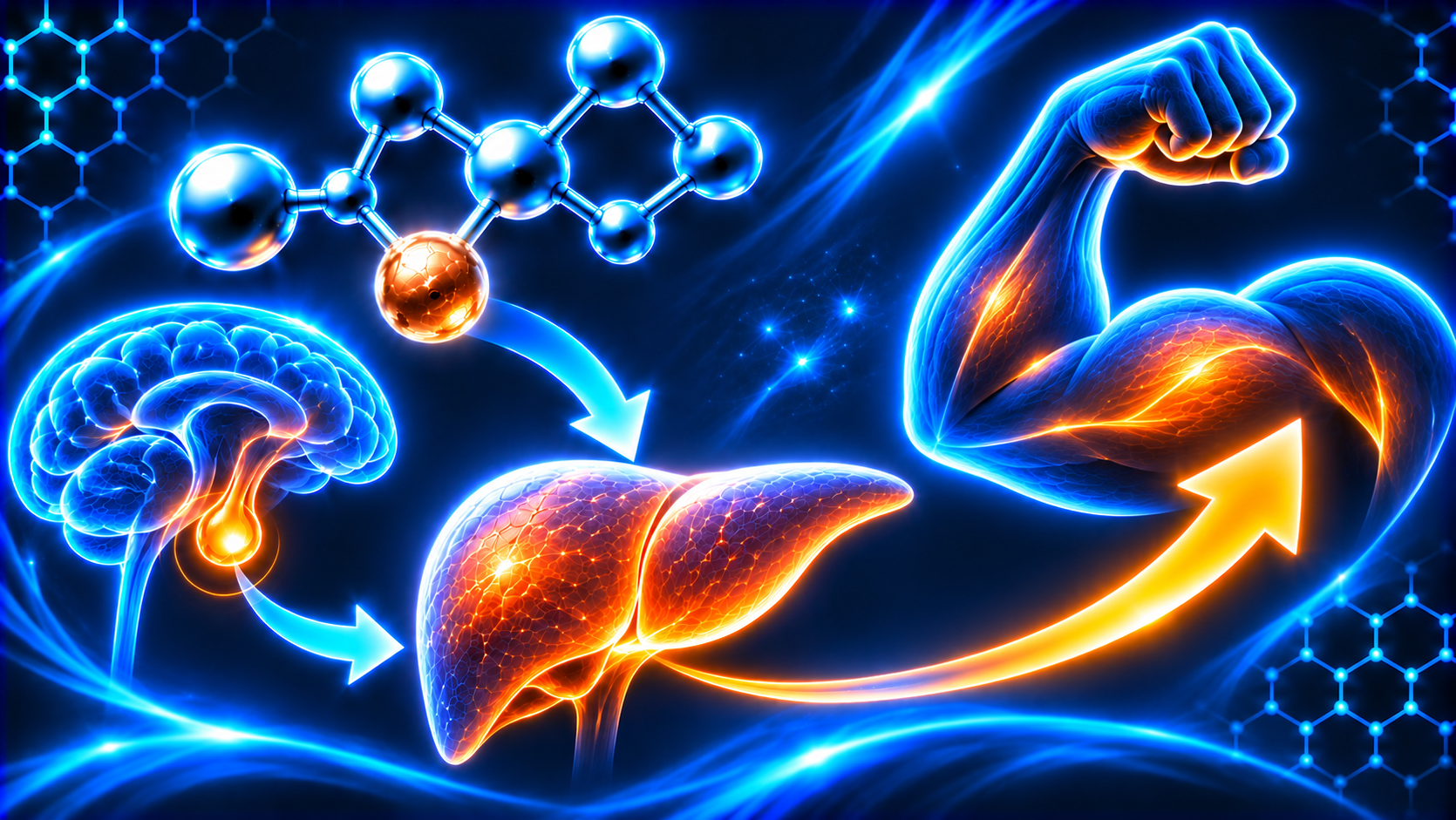
BPC-157 and GHK-Cu are two peptides gaining attention in research involving tissue repair, healing, and regeneration. Both have shown promising results in laboratory and animal studies, but they are being investigated for different types of tissue recovery.
BPC-157 is primarily studied for its potential role in tendon healing, ligament repair, muscle recovery, and injury-related tissue regeneration. GHK-Cu, commonly known as the copper peptide, is better known for research involving collagen production, skin regeneration, wound healing, and tissue remodeling.
While both peptides are associated with the body's natural repair processes, they don't work in exactly the same way.
BPC-157 research focuses heavily on how injured tissues recover and regain their structure and function. GHK-Cu research focuses more on how tissues rebuild, produce collagen, and maintain healthy connective tissue.
This leads to a few important questions:
Is BPC-157 or GHK-Cu better studied for tendon and ligament repair?
Which peptide has stronger research supporting collagen production and skin regeneration?
Can both peptides influence wound healing and tissue recovery?
What does current research actually show about their regenerative potential?
In this comparison, we'll break down BPC-157 vs. GHK-Cu for tissue repair and regeneration, explain where each peptide stands out, and examine the scientific findings behind their potential benefits.
BPC-157 vs. GHK-Cu: Quick Comparison
| Research Area | BPC-157 | GHK-Cu |
|---|---|---|
| Primary focus | Injury-related tissue repair | Collagen and tissue remodeling |
| Tendon healing | More direct animal research | Limited direct evidence |
| Ligament repair | More direct animal research | Limited direct evidence |
| Muscle recovery | Promising animal studies | Limited direct evidence |
| Collagen production | Studied for collagen organization | Stronger research focus |
| Skin regeneration | Limited skin-specific research | Stronger research focus |
| Wound healing | Promising preclinical findings | Promising laboratory and preclinical findings |
| Inflammation | Studied for inflammatory signaling | Studied for inflammatory regulation |
| Human evidence | Very limited | Some skin-related studies |
Key takeaway: BPC-157 has more direct preclinical research involving tendons, ligaments, and muscles, while GHK-Cu has a stronger research background involving collagen production, skin repair, and tissue remodeling.
Neither peptide has been proven effective for treating tissue injuries in humans.
Research Background
What Is BPC-157 and How Does It Support Tissue Repair Research?
BPC-157 is a synthetic peptide studied for its potential role in tissue repair, injury recovery, and regeneration. It contains 15 amino acids and was developed from a peptide sequence associated with protective processes in the stomach.
Although early research focused on the digestive system, scientists later began investigating whether BPC-157 could influence healing in other parts of the body.
This led to studies involving tendons, ligaments, muscles, and other damaged tissues.
One reason BPC-157 has attracted attention is its potential influence on several important parts of the healing process:
Blood vessel formation: New blood vessels help deliver oxygen and nutrients to damaged tissue during recovery.
Cellular repair: BPC-157 has been studied for its effects on cells involved in rebuilding injured tissue.
Collagen organization: Collagen provides strength and structure to tendons and ligaments. Research suggests BPC-157 may influence how collagen develops and organizes during healing.
Inflammatory response: Experimental studies have examined how BPC-157 affects inflammation-related signals following tissue injury.
These processes are especially important for tendons and ligaments, which often recover slowly because they have a relatively limited blood supply.
Animal studies have reported improvements in certain measures of tendon healing, ligament recovery, and muscle repair following BPC-157 exposure.
The key point: BPC-157 has become a major subject of experimental peptide research because of its potential influence on how injured tissues repair themselves and regain strength.
However, these promising findings come primarily from animal studies. Its effectiveness for human tissue injuries has not been established.
What Is GHK-Cu and How Does It Influence Tissue Regeneration?
GHK-Cu, also known as the copper peptide, is a naturally occurring peptide complex studied for collagen production, skin repair, wound healing, and tissue regeneration.
GHK consists of three amino acids and can bind to copper, forming the GHK-Cu complex.
Copper is involved in several biological processes, including the formation and maintenance of connective tissue.
Unlike BPC-157, which has been studied extensively in experimental injury models, GHK-Cu has a longer research history involving skin health, collagen development, and tissue remodeling.
Researchers have investigated several areas where GHK-Cu may influence tissue regeneration:
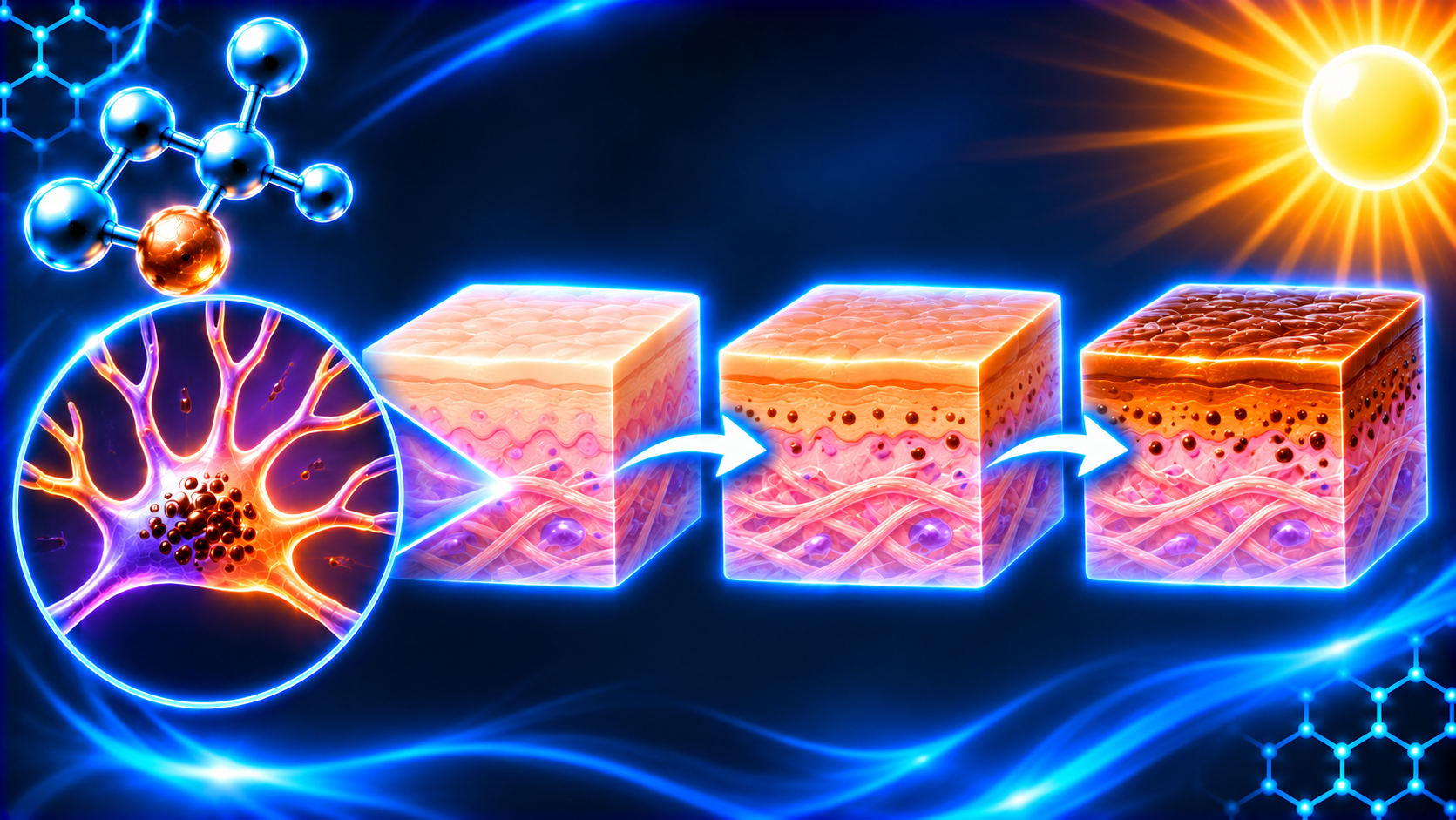
Collagen production: Laboratory studies suggest GHK-Cu can influence the production of collagen, a protein that gives skin and connective tissue strength.
Skin regeneration: GHK-Cu has been studied for its effects on skin cells involved in tissue renewal and repair.
Wound healing: Experimental research has examined how GHK-Cu influences the rebuilding of damaged skin and surrounding tissue.
Elastin production: Elastin helps tissues maintain flexibility. GHK-Cu has been investigated for its influence on this important structural protein.
Tissue remodeling: Research suggests GHK-Cu may affect how damaged or aging tissue breaks down and rebuilds its supporting structures.
Much of this research focuses on fibroblasts, the cells responsible for producing collagen and other proteins that help hold tissues together.
By influencing these cells, GHK-Cu may play a role in processes involved in maintaining and repairing connective tissue.
The key point: GHK-Cu stands out for its research involving collagen production, skin regeneration, and the rebuilding of damaged tissue.
Although some human skin-related studies exist, there is not enough clinical evidence to establish GHK-Cu as a treatment for major tissue injuries.
What Is the Main Difference Between BPC-157 and GHK-Cu?
The biggest difference comes down to the types of tissue repair each peptide has been studied for.
BPC-157 research focuses more heavily on injury recovery, particularly involving tendons, ligaments, and muscles.
GHK-Cu research focuses more heavily on tissue rebuilding, particularly collagen production, skin regeneration, and wound remodeling.
Both peptides have shown interesting effects on repair-related processes, but they have different research backgrounds and should not be considered interchangeable.
Understanding these differences helps explain why researchers continue exploring both compounds in the broader field of tissue regeneration.
Main Research Findings
1. BPC-157 vs. GHK-Cu for Tendon and Ligament Repair
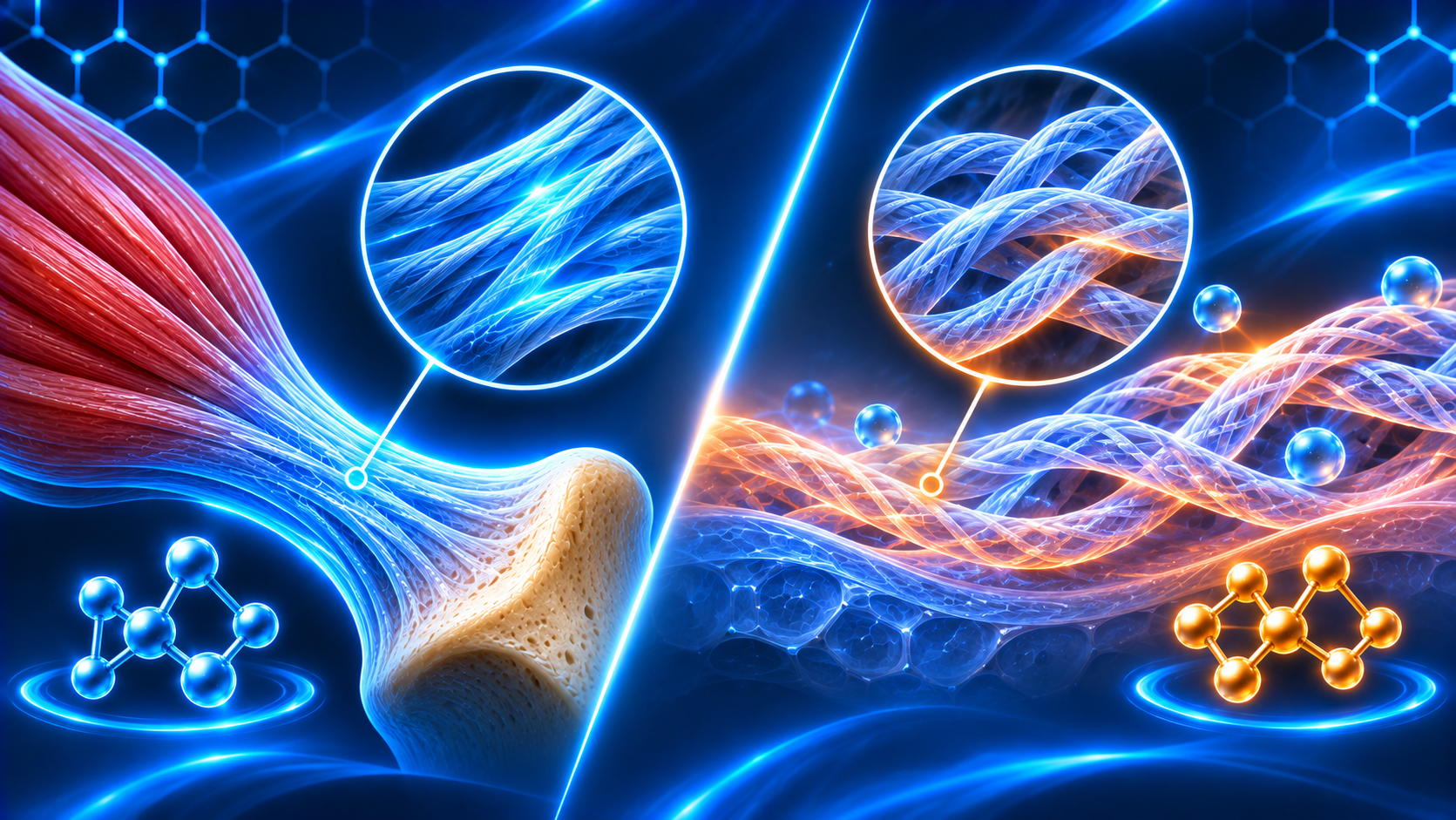
When comparing BPC-157 vs. GHK-Cu for tendon and ligament healing, BPC-157 has the stronger background in direct injury research.
Tendons connect muscles to bones, while ligaments connect bones to other bones. Both rely heavily on collagen for strength, stability, and flexibility. When damaged, these tissues can take a long time to recover.
BPC-157 has been investigated in animal studies involving tendon and ligament injuries. Researchers have reported improvements in certain measures of tissue healing, collagen organization, and mechanical strength.
Some studies also suggest BPC-157 may influence the development of small blood vessels, which are important for supplying injured tissues with oxygen and nutrients.
GHK-Cu also has an important connection to collagen. Laboratory research suggests it can influence collagen production and the activity of cells involved in connective tissue maintenance. However, direct studies involving torn tendons and injured ligaments are much more limited.
Which peptide stands out? BPC-157. It has more direct preclinical evidence involving tendon and ligament repair, although its effectiveness for these injuries in humans remains unproven.
2. BPC-157 vs. GHK-Cu for Muscle Recovery
Muscle recovery is another area where BPC-157 has received more direct research attention.
When a muscle is injured, the body must repair damaged fibers, manage inflammation, and restore the surrounding connective tissue.
Animal studies have examined BPC-157 in different muscle injury models, with some reporting improvements in tissue healing and functional recovery.
Researchers believe these findings may be related to BPC-157's influence on blood vessel activity, cellular signaling, and the repair of damaged tissue.
GHK-Cu has also been investigated for cellular regeneration and tissue remodeling, but direct research involving skeletal muscle injuries is limited.
Its strongest research background remains focused on collagen, skin cells, and wound repair.
Which peptide stands out? BPC-157. Current animal research provides more direct evidence for its potential role in muscle injury recovery. More human studies are needed before these findings can be applied clinically.
3. GHK-Cu vs. BPC-157 for Collagen Production and Skin Regeneration
When it comes to collagen production and skin regeneration, GHK-Cu has the stronger research background.
Collagen is one of the main proteins responsible for giving skin and connective tissue their structure and strength. It also plays an important role in wound healing and the rebuilding of damaged tissue.
GHK-Cu has been studied for its effects on fibroblasts, the cells responsible for producing collagen and other structural proteins.
Laboratory studies suggest GHK-Cu can influence:
Collagen synthesis: The production of collagen needed for tissue structure.
Elastin production: A process involved in maintaining skin flexibility.
Skin cell activity: Cellular processes associated with tissue renewal.
Tissue remodeling: The breakdown and rebuilding of structural proteins during repair.
Some human cosmetic studies have also investigated GHK-Cu-containing formulations for improvements in skin appearance and texture. However, those findings do not establish that GHK-Cu can repair deeper tissue injuries.
BPC-157 has been studied for collagen organization during injury recovery, particularly in tendons and ligaments. Its direct research involving skin regeneration and cosmetic collagen production is much more limited.
Which peptide stands out? GHK-Cu. It has a more established research history involving collagen production, skin regeneration, and the structural remodeling of tissue.
4. BPC-157 vs. GHK-Cu for Wound Healing
Both BPC-157 and GHK-Cu have shown promising findings in experimental wound-healing research.
Wound healing involves several stages. The body must respond to damage, form new blood vessels, produce replacement tissue, and rebuild collagen to restore strength.
BPC-157 has been studied for its influence on blood vessel formation, cellular activity, and the recovery of damaged tissue.
GHK-Cu has been investigated for its effects on fibroblasts, collagen production, and the remodeling of skin and connective tissue.
The main difference is where their research places the most attention.
BPC-157: Experimental studies often focus on injury recovery, blood vessel-related signaling, and the restoration of damaged tissue.
GHK-Cu: Research frequently focuses on collagen production, skin repair, and rebuilding the tissue's supporting structure.
These are different but related parts of the wound-healing process.
Which peptide stands out? Both have promising research. GHK-Cu has a more developed skin-focused research background, while BPC-157 has been investigated across several experimental injury models. There is not enough direct comparative evidence to determine which produces better wound healing.
5. BPC-157 vs. GHK-Cu for Inflammation
Inflammation is a natural part of tissue repair. When an injury occurs, the body sends signals that help protect the damaged area and begin the healing process.
However, inflammation that continues longer than necessary can interfere with recovery.
Both BPC-157 and GHK-Cu have been studied for their potential influence on inflammation-related processes.
BPC-157 has been investigated in animal models involving tissue injury and inflammatory responses. Some studies suggest it may affect signals involved in how damaged tissues respond and recover.
GHK-Cu has also been studied for anti-inflammatory and antioxidant activity, particularly in research involving skin cells, tissue remodeling, and cellular damage.
Although their effects may overlap, the two compounds do not necessarily influence the same biological pathways.
Which peptide stands out? Neither has a clear overall advantage. Both have demonstrated interesting inflammation-related activity in experimental research, but neither has sufficient clinical evidence to establish effectiveness for treating inflammatory conditions in humans.
BPC-157 vs. GHK-Cu: Which Peptide Has Stronger Research?
The clearest way to compare these peptides is by looking at the types of tissue involved.
| Research Goal | More Direct Research |
|---|---|
| Tendon healing | BPC-157 |
| Ligament repair | BPC-157 |
| Muscle injury recovery | BPC-157 |
| Collagen production | GHK-Cu |
| Skin regeneration | GHK-Cu |
| Skin wound remodeling | GHK-Cu |
| General wound healing | Both, in different models |
| Inflammation regulation | Both, with limited clinical evidence |
The main takeaway: BPC-157 has more direct preclinical research involving injured tendons, ligaments, and muscles. GHK-Cu has stronger research involving collagen production, skin repair, and tissue remodeling.
These distinctions reflect where the available studies are concentrated, not proof that one peptide is more effective than the other in humans.
Research Methodology / Context
How Have Researchers Studied BPC-157 and GHK-Cu?
Although BPC-157 and GHK-Cu have both shown promising results in tissue repair research, scientists have studied them in different ways.
Understanding these differences helps explain why one peptide has more research involving tendons and ligaments, while the other has a stronger background in collagen production and skin regeneration.
How Is BPC-157 Studied for Tissue Repair?
Most BPC-157 research has involved animal models of tissue injury.
Researchers study how damaged tendons, ligaments, and muscles recover after experimental exposure to BPC-157. They then examine changes in tissue structure, strength, and healing.
Some of the most common measurements include:
Tissue strength: Whether a repaired tendon or ligament can withstand greater force.
Collagen organization: How well the tissue's structural fibers rebuild after injury.
Blood vessel development: Whether changes in blood vessel formation occur during healing.
Functional recovery: Whether injured tissue shows improvements in movement or performance.
These studies have produced encouraging findings, particularly in tendon and ligament repair.
However, most results come from animal experiments rather than controlled human trials.
How Is GHK-Cu Studied for Tissue Regeneration?
GHK-Cu research has focused more heavily on skin cells, collagen production, and wound healing.
Scientists often examine how GHK-Cu influences fibroblasts, the cells responsible for producing collagen and other proteins that support connective tissue.
Researchers measure changes in collagen production, cellular activity, and the rebuilding of damaged tissue.
Some studies have also investigated GHK-Cu-containing cosmetic formulations in humans, particularly for skin appearance and texture.
This gives GHK-Cu a broader research background in skin-related applications, although evidence for deeper tissue injuries remains limited.
Why These Research Differences Matter
BPC-157 has been studied more directly in experimental tendon, ligament, and muscle injuries. GHK-Cu has been studied more extensively for collagen production, skin repair, and tissue remodeling.
That doesn't necessarily mean one peptide is more effective than the other.
It means researchers have focused on different types of tissue and different aspects of the healing process.
Because direct head-to-head studies are limited, scientists cannot yet determine which peptide produces better overall tissue regeneration in humans.
These differences are important when comparing the current evidence and identifying where future research may be most valuable.
Current Research Limitations
What Are the Limitations of BPC-157 and GHK-Cu Research?
Although BPC-157 and GHK-Cu have shown promising results in tissue repair and regeneration research, several important questions remain unanswered.
Both peptides have demonstrated activity in processes associated with healing, but much of the evidence comes from laboratory experiments and animal studies rather than large human clinical trials.
BPC-157: Limited Human Research
BPC-157 has produced encouraging findings in experimental studies involving tendon healing, ligament repair, and muscle recovery.
However, most of these findings come from animal research.
Scientists still need controlled human studies to determine whether BPC-157 can produce similar results in people, how consistent those effects might be, and what safety concerns may exist.
Its potential role in human tissue repair remains unproven.
GHK-Cu: More Skin Research, Less Evidence for Deeper Injuries
GHK-Cu has a longer research history involving collagen production, skin regeneration, and wound remodeling.
Some human studies have investigated GHK-Cu-containing cosmetic formulations, but research involving major tendon, ligament, and muscle injuries remains limited.
Scientists also need to establish whether results from laboratory studies and topical skin formulations translate to other types of tissue repair.
Can BPC-157 and GHK-Cu Be Combined?
Because BPC-157 and GHK-Cu have been studied for different aspects of tissue repair, researchers may be interested in whether their effects could complement each other.
BPC-157 has been investigated for injury-related healing processes, while GHK-Cu has been studied for collagen production and tissue remodeling.
However, there is not enough controlled research to establish that combining BPC-157 and GHK-Cu improves tissue healing or is safe.
More studies are needed to understand potential interactions, long-term effects, and whether combined exposure offers any measurable advantage.
What Does This Mean for Future Research?
The available findings provide a foundation for further investigation, particularly in tendon healing, ligament repair, collagen production, and wound regeneration.
Future human studies will be essential for determining whether the effects observed in laboratory and animal research translate into meaningful clinical outcomes.
For now, neither BPC-157 nor GHK-Cu is FDA-approved to treat tissue injuries or promote regeneration in humans.
Discussion
BPC-157 vs. GHK-Cu: Which Is Better for Tissue Repair and Regeneration?
When comparing BPC-157 vs. GHK-Cu for tissue repair and regeneration, the biggest difference is the type of healing each peptide has been studied for.
Both have shown promising results in experimental research, but their strongest areas of investigation are different.
BPC-157 stands out in research involving injured tendons, ligaments, and muscles. Animal studies suggest it may influence several processes involved in recovery, including blood vessel formation, collagen organization, and the repair of damaged tissue.
GHK-Cu stands out in research involving collagen production, skin regeneration, and wound remodeling.Laboratory findings suggest it may influence the activity of cells responsible for rebuilding the structural proteins that give tissues strength and flexibility.
Neither peptide has been proven more effective overall in humans. However, their different research backgrounds make it easier to understand where each compound has attracted the most scientific interest.
Is BPC-157 Better Than GHK-Cu for Tendons and Ligaments?
For tendon and ligament repair research, BPC-157 has the more directly relevant evidence.
Studies involving animal injury models have reported improvements in certain measures of tissue healing and strength. Researchers have also investigated how BPC-157 influences the blood vessels and cellular processes involved in recovery.
GHK-Cu plays a different role in research. Its connection to collagen production makes it interesting for connective tissue studies, but there is much less direct evidence involving injured tendons and ligaments.
The difference: BPC-157 has more direct experimental research involving tendon and ligament injuries, while GHK-Cu is better studied for collagen-related tissue remodeling.
Is GHK-Cu Better Than BPC-157 for Collagen and Skin Repair?
For collagen production and skin regeneration research, GHK-Cu has the stronger background.
Collagen is essential for maintaining the structure of skin and connective tissue. GHK-Cu has been studied for its influence on fibroblasts, collagen synthesis, and the rebuilding of damaged skin.
BPC-157 may also affect collagen-related processes during injury recovery, but skin regeneration has not been its primary research focus.
The difference: GHK-Cu has more established research involving collagen production, skin repair, and tissue remodeling, while BPC-157 is more closely associated with experimental injury recovery.
Do BPC-157 and GHK-Cu Have Complementary Research Potential?
One interesting aspect of comparing these peptides is that tissue repair involves several processes working together.
Injured tissue needs an adequate blood supply, active repair cells, and a strong network of structural proteins such as collagen.
BPC-157 has been investigated for its influence on injury-related repair processes, while GHK-Cu has been studied for collagen production and tissue remodeling.
These different areas of research raise questions about whether the compounds could influence complementary parts of tissue regeneration.
However, there is not enough direct evidence to establish that combining BPC-157 and GHK-Cu produces better healing results. Their potential interactions and safety would need to be evaluated in controlled studies.
What Is the Biggest Takeaway From the Research?
The most useful way to compare BPC-157 and GHK-Cu is to look at the type of tissue being studied.
Tendons and ligaments: BPC-157 has more direct preclinical research.
Muscle injury recovery: BPC-157 has more direct experimental evidence.
Collagen production: GHK-Cu has a stronger research background.
Skin regeneration: GHK-Cu has more skin-focused research.
Wound healing: Both have promising experimental findings, but direct comparisons remain limited.
Rather than viewing one peptide as better for every type of tissue repair, current research suggests that BPC-157 and GHK-Cu are being investigated for different, sometimes overlapping aspects of healing and regeneration.
Understanding those differences provides a clearer picture of their potential and where future research may lead.
Conclusion
BPC-157 vs. GHK-Cu: Which Shows More Potential for Tissue Repair?
When comparing BPC-157 vs. GHK-Cu for tissue repair and regeneration, both peptides have shown promising findings, but their research focuses on different aspects of healing.
BPC-157 has a stronger preclinical research background involving tendon healing, ligament repair, muscle recovery, and injury-related tissue regeneration. Animal studies suggest it may influence blood vessel formation, collagen organization, and other processes involved in repairing damaged tissue.
GHK-Cu has a stronger research background involving collagen production, skin regeneration, wound healing, and tissue remodeling. Laboratory studies suggest it may influence the cells and proteins responsible for rebuilding and maintaining healthy connective tissue.
The biggest difference is straightforward: BPC-157 is studied more directly for recovery from tissue injuries, while GHK-Cu is studied more extensively for collagen production and structural tissue regeneration.
Neither peptide has been proven superior for tissue repair in humans, and more clinical research is needed to establish their effectiveness and safety.
As research continues, both compounds remain interesting subjects for scientists investigating how damaged tissues heal, rebuild, and regain their structure.
At Peptide Purity USA, we emphasize high-quality research materials, analytical transparency, and responsible scientific investigation.
Research Use Only: All research materials offered by Peptide Purity USA are intended strictly for laboratory research purposes. Not for human or veterinary consumption. Not intended for diagnostic or therapeutic applications.
References
- 1. Emerging Use of BPC-157 in Orthopaedic Sports Medicine: A Systematic Review. *HSS Journal*. 2025.
- 2. Cerovecki T, et al. Pentadecapeptide BPC 157 (PL 14736) Improves Ligament Healing in the Rat. *Journal of Orthopaedic Research*. 2010;28(9):1155–1161.
- 3. Krivic A, et al. Achilles Detachment in Rat and Stable Gastric Pentadecapeptide BPC 157: Promoted Tendon-to-Bone Healing and Opposed Corticosteroid Aggravation. *Journal of Orthopaedic Research*. 2006;24(5):982–989.
- 4. Chang CH, et al. The Promoting Effect of Pentadecapeptide BPC 157 on Tendon Healing Involves Tendon Outgrowth, Cell Survival, and Cell Migration. *Journal of Applied Physiology*. 2011;110(3):774–780.
- 5. Effective Therapy of Transected Quadriceps Muscle in Rat: Gastric Pentadecapeptide BPC 157. *Journal of Orthopaedic Research*. 2006;24(5):1109–1117.
- 6. Pickart L, Margolina A. GHK Peptide as a Natural Modulator of Multiple Cellular Pathways in Skin Regeneration. *BioMed Research International*. 2015;2015:648108.
- 7. Maquart FX, et al. Stimulation of Collagen Synthesis in Fibroblast Cultures by the Tripeptide-Copper Complex Glycyl-L-Histidyl-L-Lysine-Cu2+. *FEBS Letters*. 1988;238(2):343–346.
- 8. Pickart L. The Human Tri-Peptide GHK and Tissue Remodeling. *Journal of Biomaterials Science, Polymer Edition*. 2008;19(8):969–988.