Introduction
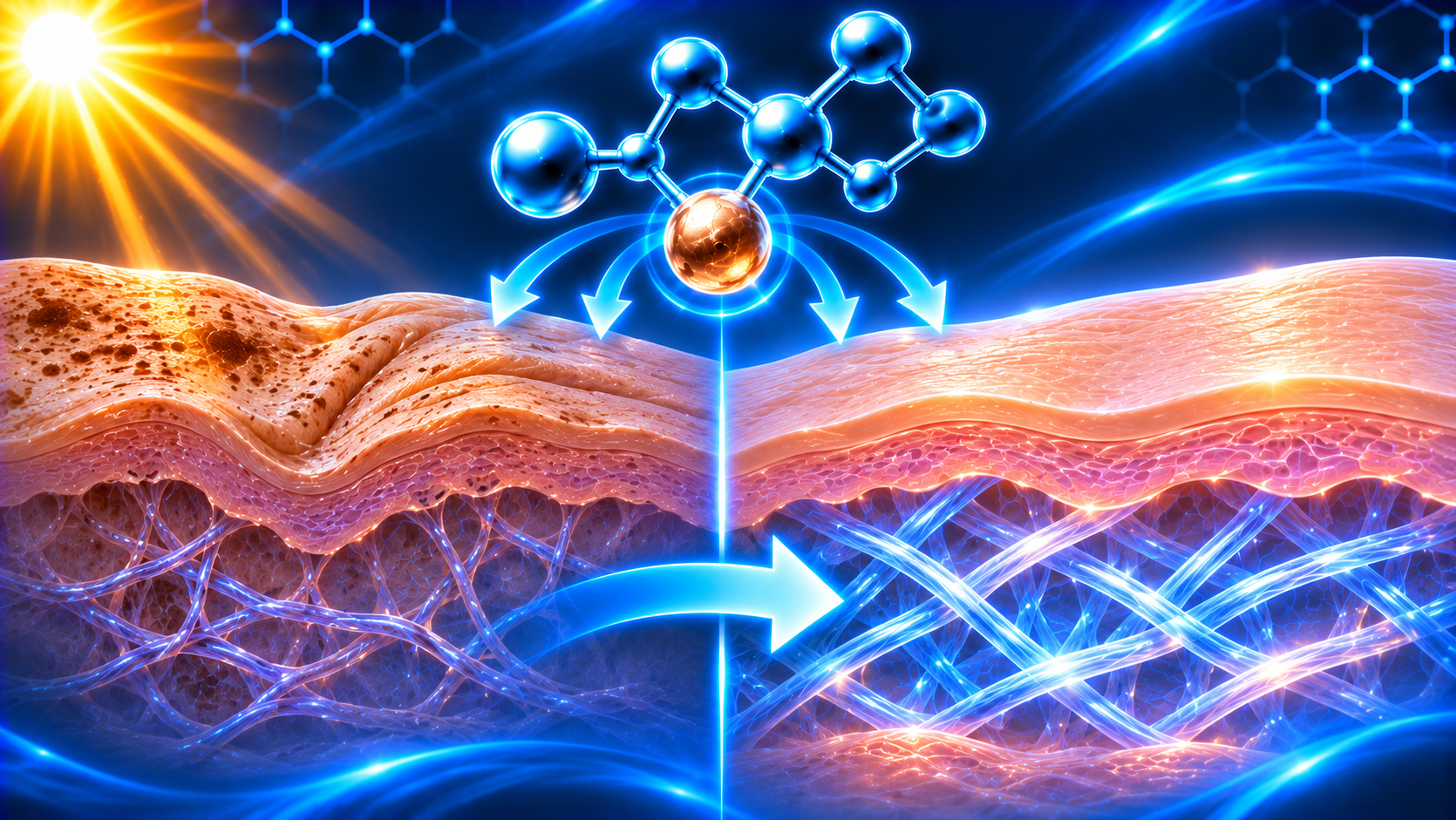
Melanotan II (MT-2) is a synthetic peptide studied for its ability to increase melanin production, the natural process responsible for skin pigmentation and tanning. Unlike traditional tanning, which begins with exposure to ultraviolet (UV) radiation, Melanotan II directly stimulates receptors involved in the body's pigment-producing process.
Does Melanotan II increase melanin production?
Early human research has demonstrated that Melanotan II can increase visible skin pigmentation. It works by mimicking a naturally occurring hormone that signals specialized skin cells, known as melanocytes, to produce melanin.
Melanin is the pigment responsible for much of the color in our skin, hair, and eyes. Generally, as melanin production increases, the skin becomes darker. However, genetics, natural skin tone, and individual biological responses can influence the extent of these changes.
What makes Melanotan II particularly interesting in skin pigmentation research is its ability to stimulate pigmentation pathways without relying on UV radiation to initiate the process. However, its long-term safety and effectiveness as a cosmetic tanning agent have not been established.
In this article, we'll explore how Melanotan II works, its relationship with melanin production, how it differs from traditional tanning, and what current research reveals about its effects on skin pigmentation.
Research Background
What Is Melanotan II?
Melanotan II, also known as MT-2 or Melanotan 2, is a synthetic peptide designed to mimic a naturally occurring hormone called alpha-melanocyte-stimulating hormone (α-MSH). This hormone plays an important role in regulating melanin production and skin pigmentation.
Melanotan II works by activating receptors that signal pigment-producing cells to increase melanin synthesis. Unlike self-tanning products that temporarily change the appearance of the skin, MT-2 influences the body's natural pigmentation process.
What Is Melanin?
Melanin is the natural pigment responsible for much of the color in our skin, hair, and eyes. It is produced by specialized skin cells called melanocytes.
There are two primary types of melanin involved in skin pigmentation:
Eumelanin: Produces brown and black pigmentation, contributes to darker skin tones, and provides greater natural protection against UV radiation.
Pheomelanin: Produces reddish and yellowish pigmentation and is commonly associated with fair skin and red hair.
The amount and balance of these two pigments help determine natural skin color and how easily the skin tans.
Melanotan II research is particularly interested in eumelanin production because of its role in darker skin pigmentation.
How Does the Body Naturally Produce Melanin?
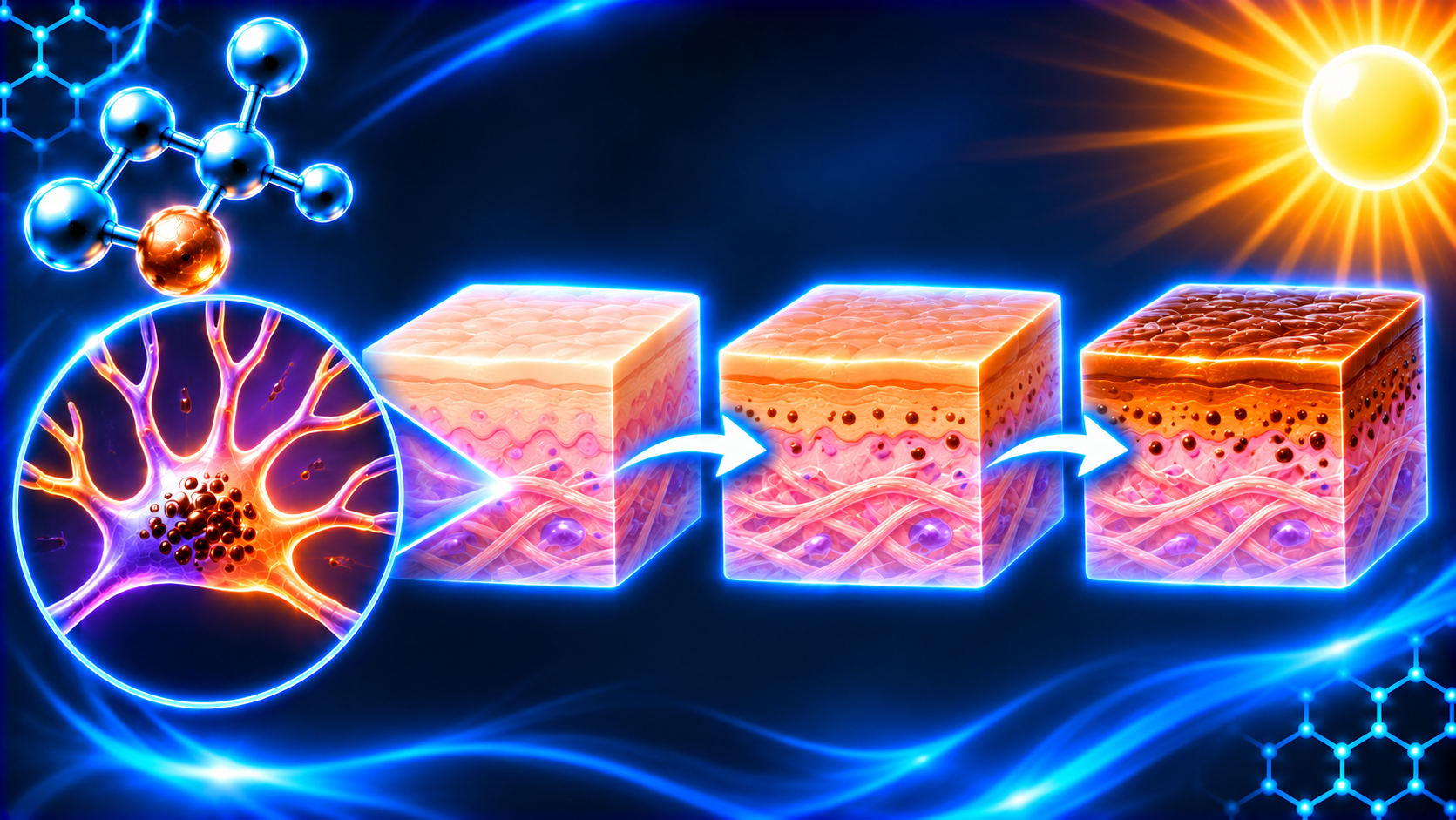
When the skin is exposed to sunlight, ultraviolet radiation triggers a series of biological signals that encourage melanocytes to produce more melanin.
The additional pigment is distributed to surrounding skin cells, gradually increasing visible skin pigmentation. This is the process commonly recognized as tanning.
However, natural melanin production is also influenced by genetics, hormones, and individual skin characteristics. This explains why some people tan more easily than others.
How Does Melanotan II Influence This Process?
Melanotan II mimics the hormonal signals that help regulate melanin production. It activates pigmentation-related receptors without requiring UV exposure to initiate that particular signal.
Rather than introducing artificial pigment into the skin, Melanotan II stimulates pathways responsible for producing the body's own melanin.
This ability to influence natural pigment production is what makes MT-2 particularly relevant to skin pigmentation and tanning research. However, its safety as a cosmetic tanning agent has not been established.
Main Research Findings
How Does Melanotan II Increase Melanin Production?
Melanotan II stimulates melanin production by activating a receptor known as the melanocortin 1 receptor (MC1R). This receptor is located on melanocytes, the cells responsible for producing pigment in the skin.
When Melanotan II activates these receptors, it triggers signals that encourage melanin synthesis. This can increase the amount of pigment within the skin, resulting in a darker appearance.
The process can be simplified into four steps:
Melanotan II activates melanocortin receptors.
Melanocytes receive signals to increase pigment production.
Melanin production increases.
Additional pigment contributes to darker skin coloration.
Rather than temporarily coloring the surface of the skin, Melanotan II influences the biological process responsible for natural skin pigmentation.
Does Melanotan II Actually Darken the Skin?
Yes. Early human research has demonstrated that Melanotan II can increase visible skin pigmentation.
A Phase I clinical study published in Life Sciences in 1996 examined the effects of Melanotan II in three male participants. Two participants developed increased skin pigmentation, which was confirmed through visual observations and measurements of skin reflectance.
These findings provided direct human evidence that Melanotan II can stimulate pigmentation. However, the small study could not establish how consistently individuals respond or determine long-term safety.
Can Melanotan II Increase Melanin Without Sun Exposure?
Melanotan II can activate receptors involved in melanin production without requiring ultraviolet radiation to initiate that signal.
Traditional tanning begins when UV exposure triggers the body's natural pigmentation response. Melanotan II works differently by directly stimulating receptors involved in that same process.
Although this mechanism is supported by research, a reliable and safe sunless tanning application has not been established.
Melanotan II vs. Traditional Tanning
The primary difference between Melanotan II and traditional tanning is how melanin production is stimulated.
| Traditional Tanning | Melanotan II |
|---|---|
| Triggered by UV exposure | Triggered by receptor activation |
| Stimulates natural melanin production | Stimulates natural melanin production pathways |
| Responds to UV-related cellular stress | Mimics natural hormonal signals |
| Carries established UV-related risks | Carries systemic and incompletely understood long-term risks |
Both processes can increase skin pigmentation, but they activate the body's pigment-producing system differently.
Why Pigmentation Results Can Vary
Not everyone responds to pigmentation signals in the same way. Several factors can influence melanin production and skin darkening, including:
Genetics and natural skin tone.
Existing melanin levels.
Melanocortin receptor function.
Individual melanocyte activity.
Previous UV exposure.
These differences help explain why some individuals naturally tan more easily than others and why pigmentation responses to Melanotan II may vary.
Overall, current research supports Melanotan II's ability to stimulate pigmentation pathways and increase visible skin darkening. However, predictable results and long-term safety have not been established through large-scale human studies.
Research Methodology / Context
How Researchers Study Melanotan II and Skin Pigmentation
Researchers use several methods to understand how Melanotan II influences melanin production and skin pigmentation. These methods help determine whether changes in skin color are connected to increased pigment production and melanocortin receptor activity.
Measuring Changes in Skin Pigmentation
One method used in early Melanotan II human studies is skin reflectance measurement. This technique measures how much light is reflected from the skin's surface.
As skin pigmentation increases, the amount of reflected light changes. Specialized instruments allow researchers to measure these differences rather than relying solely on visual observations.
This provides an objective way to evaluate changes in skin coloration.
Studying Melanin Production
Laboratory studies also examine how melanocytes respond to pigmentation-related signals. Researchers can investigate several areas, including:
Changes in melanin production.
Melanocortin receptor activation.
Eumelanin and pheomelanin production.
Activity of enzymes involved in pigment synthesis.
These studies help explain the biological relationship between Melanotan II and skin darkening, although laboratory findings do not always translate directly into human outcomes.
Melanotan II and Broader Pigmentation Research
Melanotan II is part of a larger family of compounds known as melanocortin peptides. Another widely studied compound in this family is Melanotan I, also known as afamelanotide.
Both compounds interact with receptors involved in melanin production. However, they differ in their structure, receptor activity, and safety profiles.
While afamelanotide has received FDA approval for a specific medical condition, Melanotan II remains an experimental compound without FDA approval for human use.
Together, research into these compounds has helped expand scientific understanding of how hormonal signals influence melanin production, skin pigmentation, and the body's natural tanning response.
Current Research Limitations
Although research has demonstrated that Melanotan II can stimulate melanin production and increase skin pigmentation, several important questions remain regarding its long-term effects, safety, and consistency.
Limited Human Research
Early human studies have demonstrated that Melanotan II can increase visible skin pigmentation. However, much of this research involved relatively small groups of participants.
Larger clinical studies are needed to better understand how different skin types respond, how much pigmentation can change, and how long these changes may last.
Individual Differences in Skin Pigmentation
The effects of Melanotan II may vary depending on genetics, natural skin tone, melanocortin receptor activity, and existing melanin levels.
Because these factors influence the body's natural ability to produce melanin, pigmentation changes may differ considerably between individuals.
Potential Side Effects of Melanotan II
Melanotan II activates several melanocortin receptors, including those involved in biological functions beyond skin pigmentation.
Reported side effects include:
Nausea and vomiting.
Facial flushing.
Changes in appetite.
Fatigue.
Darkening of existing freckles and moles.
Spontaneous or prolonged erections.
Changes in existing moles and the appearance of new pigmented lesions have also been reported. While case reports have raised concerns about a possible association with melanoma, a direct causal relationship has not been established.
Long-Term Safety and Regulatory Status
Although Melanotan II has demonstrated the ability to increase skin pigmentation, its long-term safety remains insufficiently understood.
Melanotan II is not FDA-approved for tanning, cosmetic pigmentation, or other human applications. Increased melanin production also does not eliminate the risks associated with UV exposure or replace established sun protection measures.
Current research supports the biological relationship between Melanotan II and melanin production, but further clinical investigation is necessary to establish its broader effects and long-term safety.
Discussion
Melanotan II research demonstrates how stimulating specific receptors can influence the body's natural melanin production. Rather than adding artificial pigment to the skin, MT-2 interacts with the biological pathways responsible for skin coloration.
This makes Melanotan II particularly interesting in research involving skin pigmentation, melanocyte activity, and the body's natural tanning response.
Why Is Melanin Production Important?
Melanin does more than determine skin color. It also helps absorb ultraviolet radiation and provides a degree of natural protection against UV-related cellular damage.
Eumelanin, the darker form of melanin, plays a particularly important role in this protective process.
However, increased melanin production does not make the skin immune to sunburn, premature aging, or skin cancer. Melanotan II has not been established as a method of UV protection and should not be considered a substitute for sunscreen.
Understanding the Difference Between Melanotan II and Melanin
Although their names are similar, Melanotan II and melanin serve very different functions.
Melanotan II: A synthetic peptide that stimulates receptors involved in pigment production.
Melanin: The naturally occurring pigment responsible for skin, hair, and eye color.
Melanocytes: Specialized cells responsible for producing melanin.
MC1R: A receptor that helps regulate melanin production.
Simply put, Melanotan II influences the signals that tell melanocytes to produce melanin.
The Future of Melanotan II Research
Early human studies have demonstrated that Melanotan II can increase visible skin pigmentation. Future research may help scientists better understand how receptor activation influences the amount, distribution, and duration of pigmentation.
Researchers are also interested in developing compounds that target melanin production more selectively without affecting unrelated biological functions.
While questions surrounding long-term safety remain, Melanotan II continues to be relevant to research into natural pigment production, melanocortin signaling, and the biological mechanisms behind skin tanning.
Conclusion
Melanotan II (MT-2) is a synthetic peptide that influences the body's natural melanin production by activating receptors responsible for skin pigmentation.
Unlike traditional tanning, which begins with UV exposure, Melanotan II mimics naturally occurring hormonal signals that encourage melanocytes to produce pigment. Early human research has demonstrated that this process can result in measurable skin darkening.
Key Takeaways
Melanotan II stimulates receptors involved in melanin production.
MC1R activation encourages the production of eumelanin, the pigment associated with darker skin coloration.
Early human studies have demonstrated increased visible skin pigmentation.
Melanotan II can activate pigmentation pathways independently of UV exposure.
Genetics, natural skin tone, and receptor activity may influence individual pigmentation responses.
Long-term safety and reliable cosmetic tanning outcomes have not been established.
Overall, research supports the relationship between Melanotan II and increased melanin production. Although MT-2 remains an experimental compound without FDA approval for human use, its demonstrated biological activity makes it an important subject in skin pigmentation and melanocortin research.
Further studies may help researchers better understand how pigmentation can be regulated, how melanocytes respond to hormonal stimulation, and what factors influence the body's natural production of melanin.
At Peptide Purity USA, we emphasize high-quality research materials, analytical transparency, and responsible scientific investigation.
Research Use Only: All research materials offered by Peptide Purity USA are intended strictly for laboratory research purposes. Not for human or veterinary consumption. Not intended for diagnostic or therapeutic applications.
References
- 1. Dorr RT, Lines R, Levine N, Brooks C, Xiang L, Hruby VJ, Hadley ME. (1996). Evaluation of Melanotan-II, a superpotent cyclic melanotropic peptide in a pilot phase-I clinical study. *Life Sciences, 58*(20), 1777–1784.
- 2. Hadley ME, Dorr RT. (2006). Melanocortin peptide therapeutics: Historical milestones, clinical studies and commercialization. *Peptides, 27*(4), 921–930.
- 3. D'Mello SAN, Finlay GJ, Baguley BC, Askarian-Amiri ME. (2016). Signaling pathways in melanogenesis. *International Journal of Molecular Sciences, 17*(7), 1144.
- 4. Rzepka Z, Buszman E, Beberok A, Wrześniok D. (2016). From tyrosine to melanin: Signaling pathways and factors regulating melanogenesis. *Postępy Higieny i Medycyny Doświadczalnej, 70*, 695–708.
- 5. Hjuler KF, Lorentzen HF. (2014). Melanoma associated with the use of melanotan-II. *Dermatology, 228*(1), 34–36.
- 6. Adler NR, Dowling JP, Pan Y. (2017). The unregulated use of melanotan-II is of public health interest to Australian dermatologists. *Australasian Journal of Dermatology, 58*(4), 327–329.
- 7. Reid C, Fitzgerald T, Fabre A, Kirby B. (2013). Atypical melanocytic naevi following melanotan injection. *Irish Medical Journal, 106*(5), 148–149.
- 8. Yassin Alsabbagh A, Bhujel N, Singh RP. (2025). Melanotan II nasal spray: A possible risk factor for oral mucosal malignant melanoma? *International Journal of Oral and Maxillofacial Surgery, 54*(9), 806–808.
- 9. U.S. Food and Drug Administration (FDA). (2024). SCENESSE (afamelanotide): Prescribing information.
- 10. U.S. Food and Drug Administration (FDA). Certain bulk drug substances for use in compounding that may present significant safety risks: Melanotan II.