
Peptide Science
Structure, synthesis, purity and analytical methods.
Quick Read: What Is Peptide Half-Life, and Why Does It Matter?
What does peptide half-life actually mean? Learn why some peptides break down faster than others, how half-life differs from duration of action, and why these differences matter in scientific research.
Read article →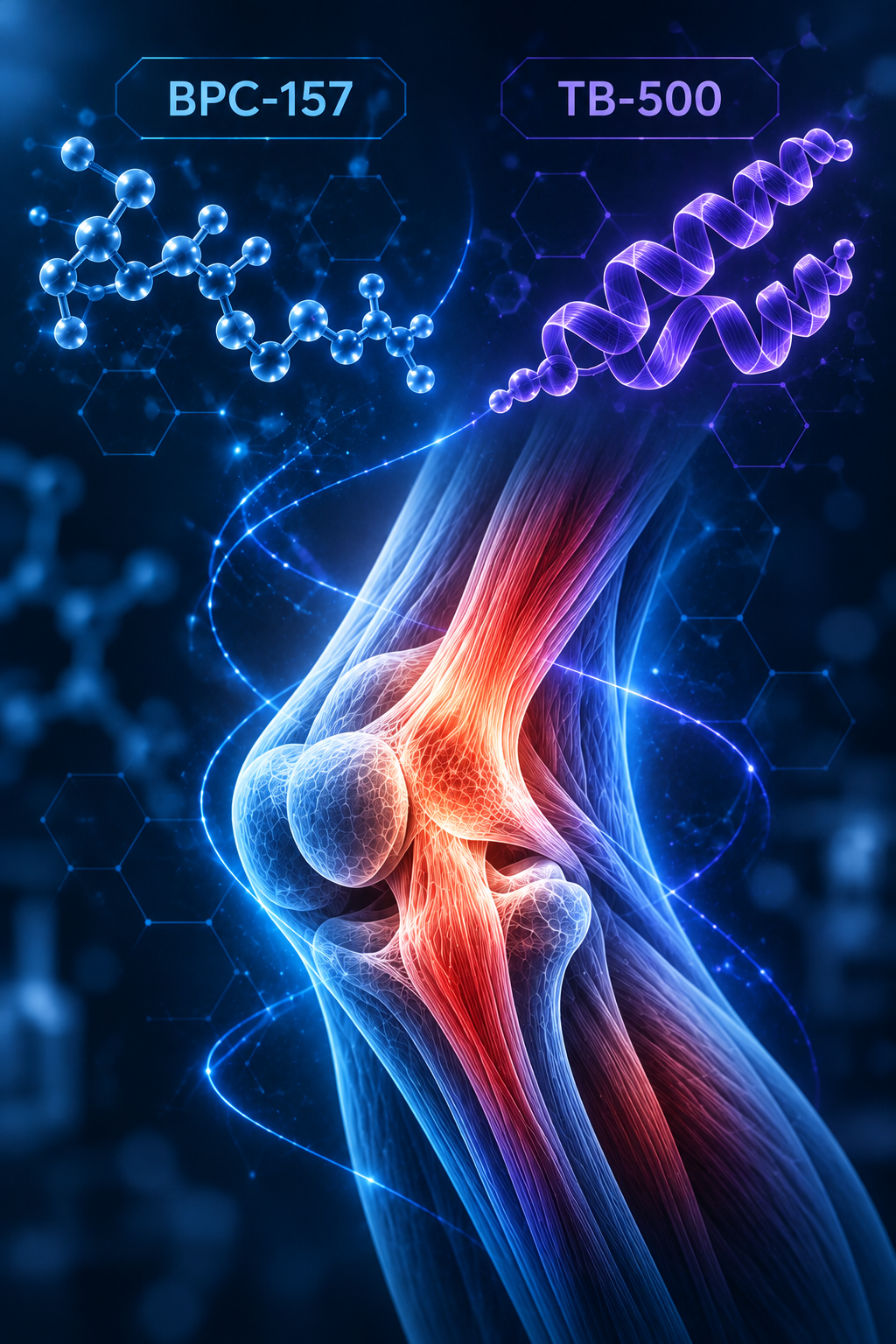
BPC-157 vs. TB-500 for Injury Recovery: What Scientific Research Shows
Explore BPC-157 vs. TB-500 for injury recovery, including their biological mechanisms, tendon and ligament research, key scientific differences, and current limitations.
best-peptides-for-anti-aging
Which peptides have the most promising anti-aging research? Explore GHK-Cu, Epitalon, MOTS-c, BPC-157, and growth hormone–related peptides, including their potential roles in skin aging, cellular function, mitochondrial signaling, and tissue maintenance. Discover what scientific studies show and where important research limitations remain.
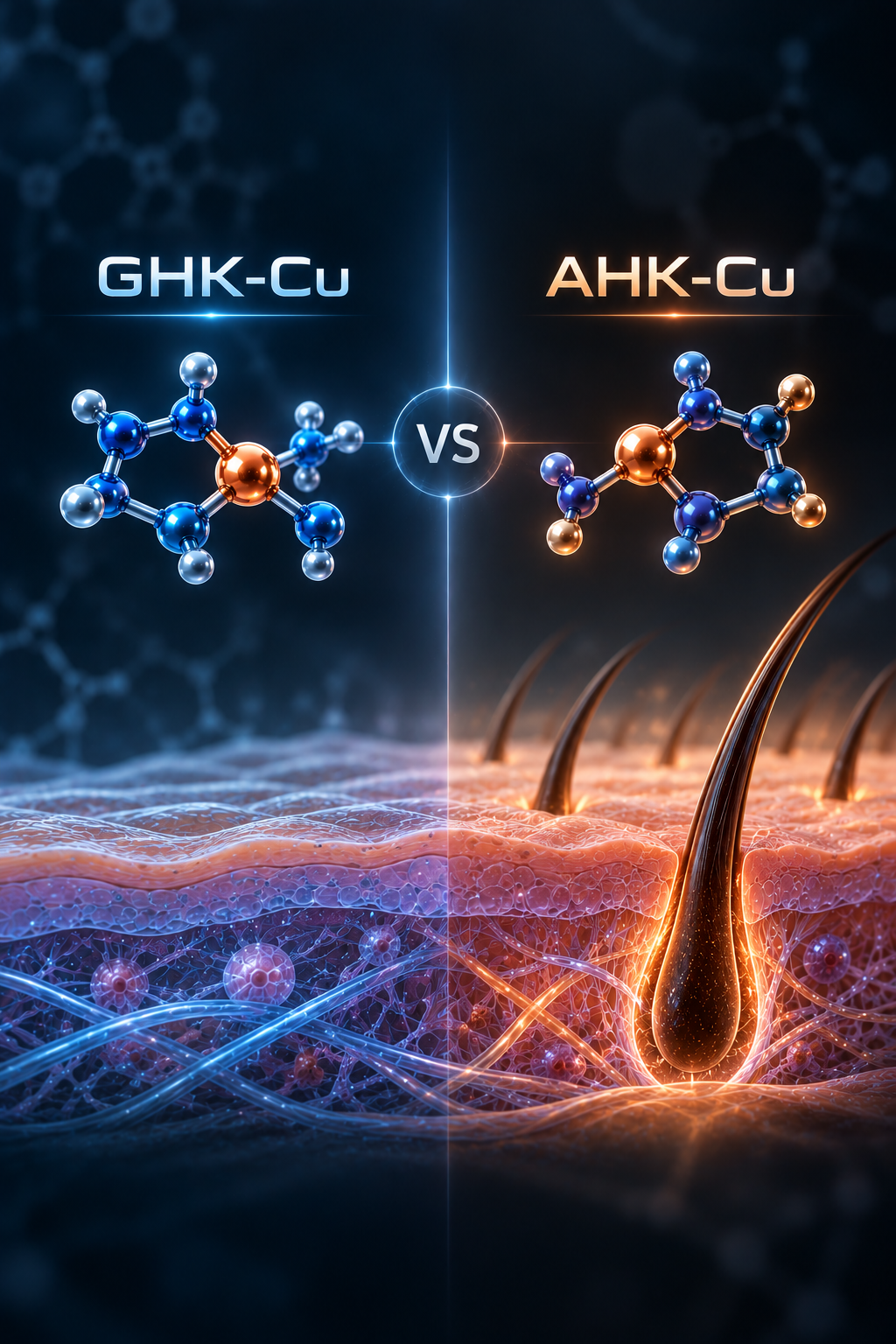
GHK-Cu vs. AHK-Cu: Differences, Potential Benefits & What Scientific Research Shows
Explore the differences between GHK-Cu and AHK-Cu, two copper-binding peptides studied for skin biology, collagen regulation, and hair follicle activity. Discover their mechanisms, scientific findings, and current research limitations.
TB-500 Research: Mechanisms, Tissue Repair & What Scientific Studies Show
TB-500 is a thymosin beta-4–related peptide studied in connection with cellular signaling and tissue-associated biological processes. Explore the scientific evidence, proposed mechanisms, and important research limitations.
Best Peptides for Injury Recovery: What Scientific Research Shows
Explore the scientific research behind peptides investigated for injury recovery, including BPC-157, TB-500, GHK-Cu, and growth hormone–related peptides. Discover their proposed mechanisms, experimental findings, and current research limitations.
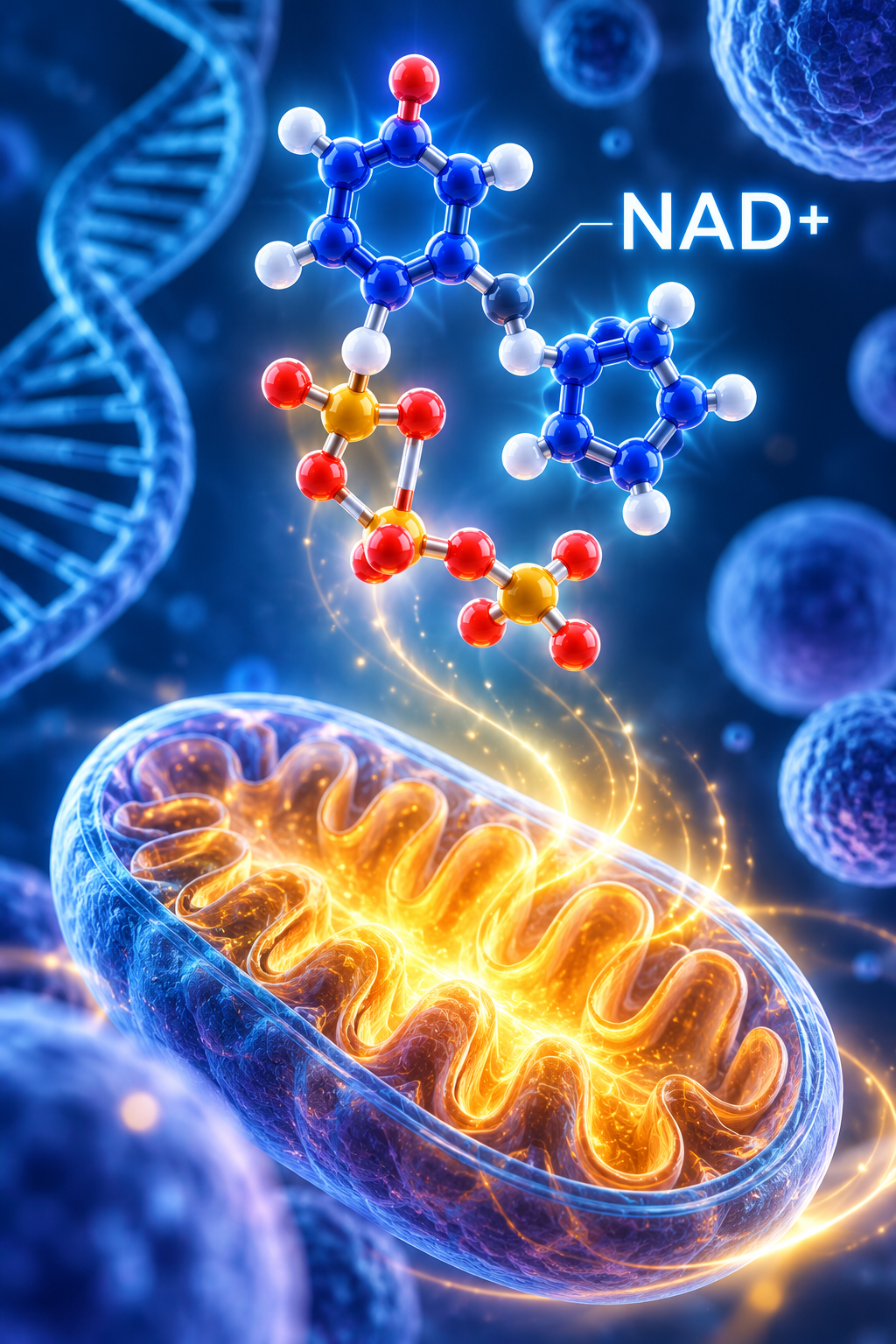
What Is NAD+? Exploring Cellular Energy and Aging Research
Explore the science behind NAD+, an essential coenzyme involved in cellular energy production, mitochondrial function, DNA repair, and aging-related biological pathways. Discover what current research reveals about its role in cellular health and metabolism.
What Are Peptides? A Complete Guide to Peptide Research
Explore the science behind peptides, how they function in biological systems, their role in modern research, and the importance of peptide purity, stability, and laboratory testing.
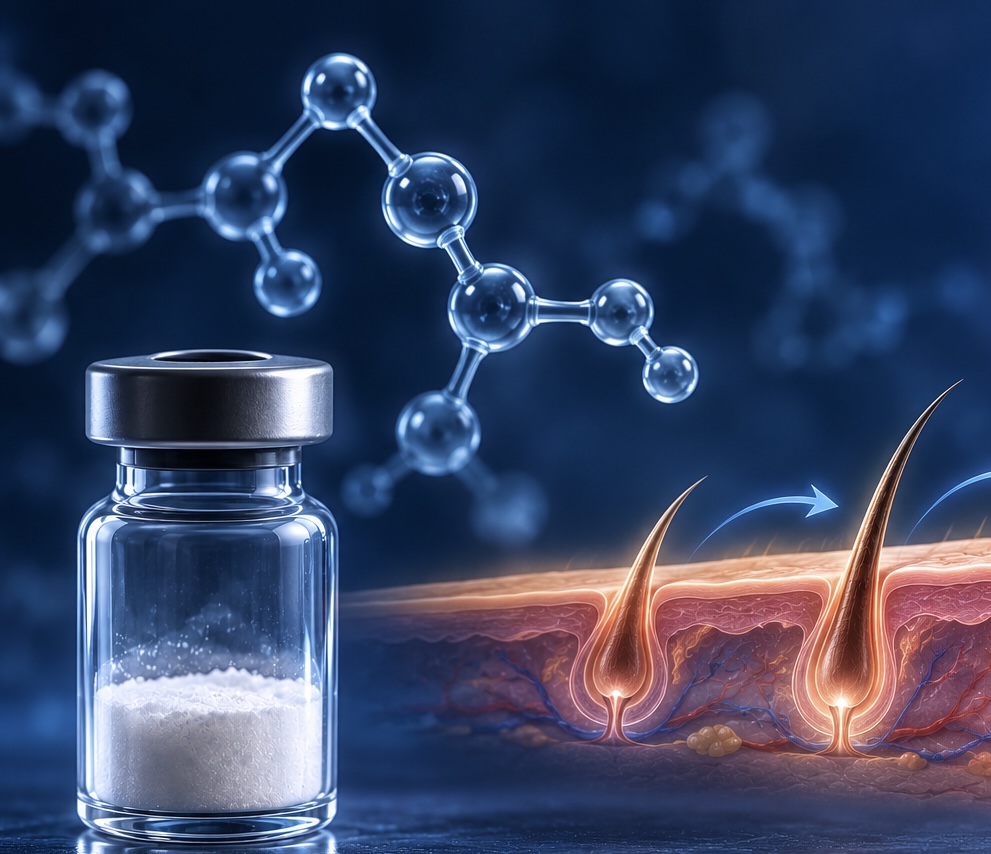
GHK-Cu Peptide: Research, Benefits & Scientific Findings
Explore the science behind GHK-Cu (Copper Peptide), including its potential role in collagen production, skin biology, tissue repair, and hair follicle research. Discover key findings and current research limitations.
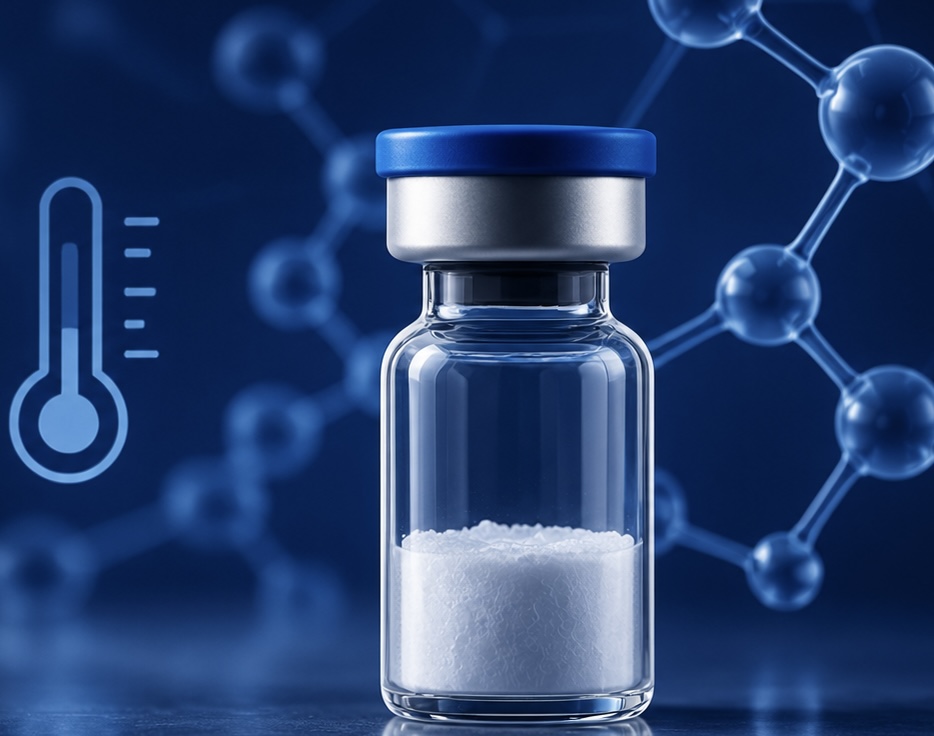
Peptide Storage Guide: Temperature, Stability & Laboratory Best Practices
Learn how storage temperature, moisture, light exposure, and handling conditions influence peptide stability. Explore laboratory best practices for protecting lyophilized and solution-phase research peptides.
This article summarizes published third-party scientific literature — much of it conducted in cultured cells or animal models. It is not medical advice, not a therapeutic or performance claim, and not a usage guide. Peptide Purity USA products are sold strictly for in vitro laboratory research and are not for human or veterinary use. Read our content disclosures.