
Introduction
GHRP-6 and GHRP-2 are two peptides commonly studied for their ability to stimulate growth hormone release. Although they work in similar ways, there are some important differences in how they affect growth hormone levels, hunger, and appetite.
When comparing GHRP-6 vs. GHRP-2, two questions come up most often: Which peptide produces a stronger growth hormone response, and which one increases hunger more?
Here's the short answer:
GHRP-6: Known for stimulating growth hormone release and its effects on hunger and appetite.
GHRP-2: Also stimulates growth hormone release and has demonstrated strong GH responses in human research. It can influence appetite as well.
Both peptides activate the same receptor involved in growth hormone and hunger signaling. However, their hormonal responses can differ depending on the research conditions.
So, is GHRP-2 stronger than GHRP-6? Does GHRP-6 really increase hunger more? And what does the research tell us about their differences?
This article breaks down GHRP-6 vs. GHRP-2, comparing growth hormone release, appetite effects, and key research findings in a simple, easy-to-follow format.
Research Background
What Is GHRP-6?
GHRP-6 (Growth Hormone-Releasing Peptide-6) is a synthetic peptide studied for its ability to stimulate the body's natural release of growth hormone.
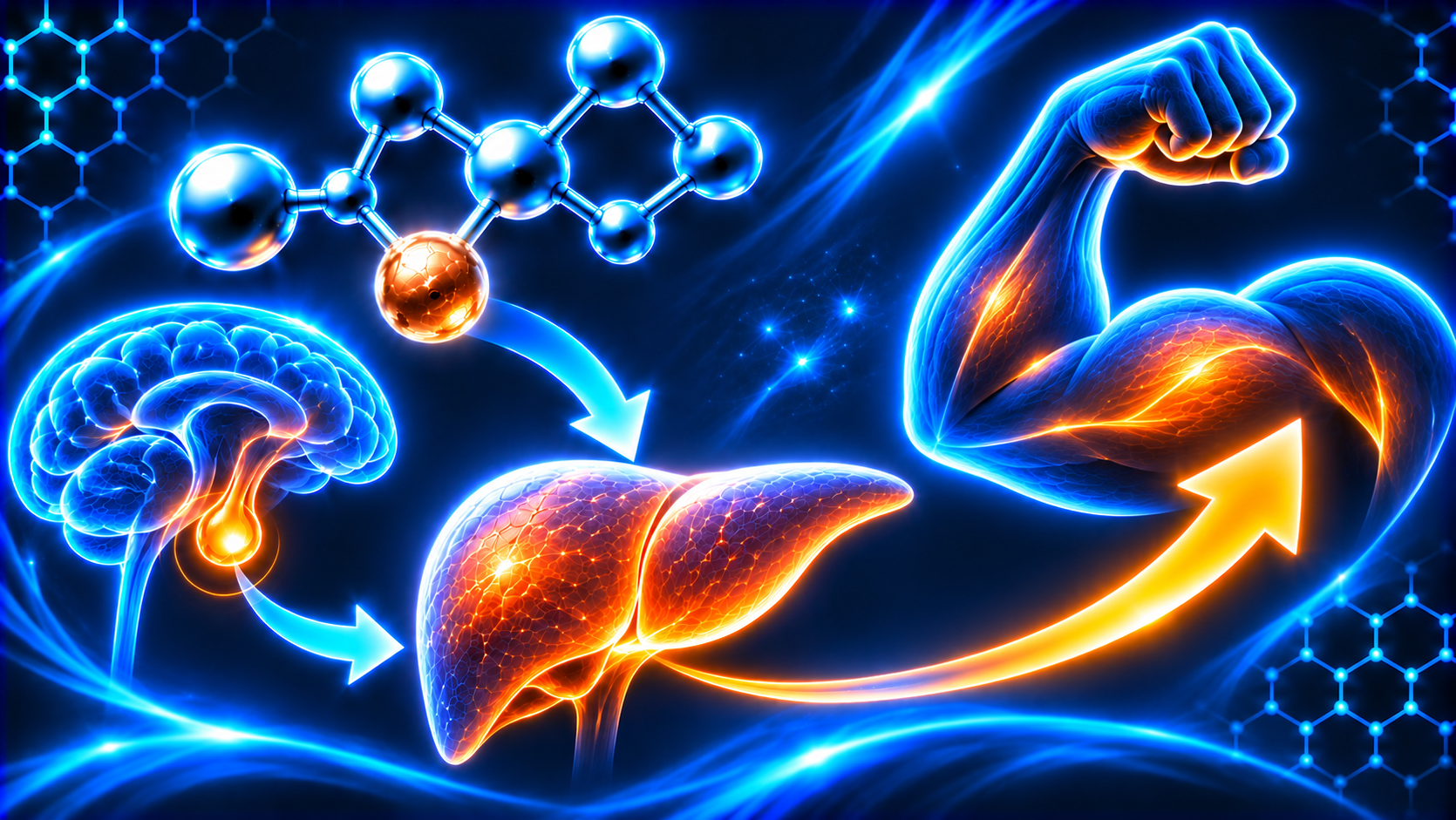
It works by activating the ghrelin receptor, which plays a role in both growth hormone production and hunger signaling.
Ghrelin is often called the hunger hormone because it helps tell the brain when it's time to eat. Since GHRP-6 activates the same receptor, researchers have studied its effects on appetite and food intake alongside growth hormone release.
This makes GHRP-6 particularly interesting in research involving growth hormone, hunger, and metabolism.
What Is GHRP-2?
GHRP-2 (Growth Hormone-Releasing Peptide-2) is another synthetic peptide that stimulates the body's natural growth hormone release.
Like GHRP-6, it activates the ghrelin receptor, signaling the pituitary gland to release growth hormone into the bloodstream.
GHRP-2 has attracted attention in growth hormone research because studies have demonstrated strong increases in GH levels following administration.
Although GHRP-2 is often discussed for its growth hormone-releasing activity, it can also influence hunger, appetite, and other hormonal responses.
How Are GHRP-6 and GHRP-2 Similar?
Both peptides share several important characteristics:
Stimulate the body's natural growth hormone release.
Activate the ghrelin receptor.
Can influence hunger and appetite.
Have been investigated for their effects on hormone regulation and metabolism.
The main difference researchers are investigating is how strongly each peptide affects growth hormone release, appetite, and other hormonal signals.
Main Research Findings
GHRP-6 vs. GHRP-2: Quick Comparison
Although GHRP-6 and GHRP-2 work through the same receptor, researchers have observed differences in their growth hormone responses and other hormonal effects.
| Feature | GHRP-6 | GHRP-2 |
|---|---|---|
| Growth hormone release | Strong GH stimulation | Strong GH stimulation |
| Appetite and hunger | Documented appetite effects | Documented appetite effects |
| Ghrelin receptor | Activates | Activates |
| Cortisol and prolactin | May increase both | May increase both |
| Main research focus | GH release and appetite | GH release and hormonal responses |
1. GHRP-6 vs. GHRP-2: Which Releases More Growth Hormone?
Both GHRP-6 and GHRP-2 have demonstrated the ability to increase growth hormone levels in research studies.
However, GHRP-2 has shown a particularly strong growth hormone response, with some experimental comparisons suggesting it may stimulate greater GH release than GHRP-6 under certain conditions.
That doesn't mean GHRP-2 is always stronger. Growth hormone responses can vary depending on the study, participant characteristics, and how the peptides are evaluated.
The key takeaway: Both peptides stimulate growth hormone release, but GHRP-2 may produce a stronger response in some research settings.
2. GHRP-6 vs. GHRP-2: Which Increases Hunger More?
One of the most frequently discussed differences between GHRP-6 and GHRP-2 is their effect on appetite.
GHRP-6 is particularly well known for its connection to hunger signaling. By activating the ghrelin receptor, it can influence the signals that tell the brain when the body is hungry.
GHRP-2 works through the same receptor and has also been shown to increase food intake in human research.
While GHRP-6 is often associated more closely with appetite stimulation, there isn't enough direct comparative evidence to conclude that it consistently increases hunger more than GHRP-2.
The key takeaway: Both peptides can increase appetite. GHRP-6 is widely associated with hunger research, but GHRP-2 also has documented appetite effects.
3. Do GHRP-6 and GHRP-2 Affect Other Hormones?
Growth hormone isn't the only hormone influenced by these peptides.
Research has shown that GHRP-6 and GHRP-2 can also affect cortisol and prolactin levels.
Cortisol is involved in the body's stress response, while prolactin plays several roles in hormone regulation.
These findings are important because they show that neither peptide acts exclusively on growth hormone.
The extent of these additional hormonal effects can vary depending on the research conditions.
The key takeaway: Both GHRP-6 and GHRP-2 can influence hormones beyond growth hormone, making their overall hormonal responses an important area of continued research.
Research Methodology / Context
How Do GHRP-6 and GHRP-2 Work?
Both GHRP-6 and GHRP-2 stimulate growth hormone release by activating the ghrelin receptor, which helps regulate growth hormone secretion and appetite.
When either peptide activates this receptor, it sends signals that encourage the pituitary gland to release growth hormone into the bloodstream.
Unlike growth hormone itself, these peptides don't directly supply GH. Instead, they stimulate the body's existing growth hormone release process.
This is why researchers classify GHRP-6 and GHRP-2 as growth hormone secretagogues, meaning compounds that encourage the body to release growth hormone.
How Do Researchers Compare GHRP-6 and GHRP-2?
Researchers typically compare these peptides by measuring changes in growth hormone levels before and after administration under controlled study conditions.
They may also examine:
Growth hormone response: How much GH is released and how levels change over time.
Appetite and food intake: Whether hunger signals or actual food consumption change.
Other hormones: Changes in cortisol, prolactin, and related hormonal activity.
These measurements help researchers understand the similarities and differences between GHRP-6 and GHRP-2.
However, a stronger short-term growth hormone response doesn't necessarily mean greater muscle growth, fat loss, or recovery benefits. Those outcomes require separate, longer-term research.
Current Research Limitations
Although GHRP-6 and GHRP-2 have been studied for their effects on growth hormone release and appetite, there are still important gaps in the research.
Most available studies focus on short-term hormonal responses rather than long-term outcomes. Researchers can measure increases in growth hormone, but that doesn't automatically establish lasting benefits for muscle growth, fat loss, or recovery.
Another limitation is the lack of large, direct comparisons between GHRP-6 and GHRP-2. While both peptides have demonstrated growth hormone and appetite-related effects, more research is needed to determine how consistently their responses differ.
Long-term safety data are also limited, and neither peptide is FDA-approved for routine human use in the United States.
The key takeaway: Research supports the ability of both peptides to stimulate growth hormone release, but their long-term effects and relative advantages remain uncertain.
Discussion
GHRP-6 vs. GHRP-2: What Is the Biggest Difference?
When comparing GHRP-6 vs. GHRP-2, the biggest differences involve their growth hormone responses and how their effects on appetite have been studied.
GHRP-2 has demonstrated particularly strong growth hormone-releasing activity, while GHRP-6 is widely recognized for its connection to hunger and appetite research.
However, both peptides stimulate growth hormone release, activate the ghrelin receptor, and can influence food intake.
Neither peptide acts exclusively on one pathway, and current research doesn't establish that one is universally better than the other.
Frequently Asked Questions
Is GHRP-2 stronger than GHRP-6?
Some research suggests GHRP-2 may produce a stronger growth hormone response under certain conditions. However, results vary, and GHRP-2 isn't consistently stronger in every research setting.
Does GHRP-6 increase hunger?
Yes. GHRP-6 activates the ghrelin receptor, which plays an important role in appetite regulation. Research has demonstrated its ability to influence hunger-related signaling and food intake.
Does GHRP-2 also increase appetite?
Yes. Although GHRP-2 is often discussed for its growth hormone-releasing effects, human studies have also demonstrated increases in food intake.
Which peptide increases hunger more, GHRP-6 or GHRP-2?
GHRP-6 is commonly associated with appetite stimulation, but there isn't enough direct comparative research to confirm that it consistently increases hunger more than GHRP-2.
Are GHRP-6 and GHRP-2 the same peptide?
No. They are different synthetic peptides that activate the same receptor and share several biological effects, including stimulating growth hormone release.
Do GHRP-6 and GHRP-2 help with muscle growth?
Both peptides can increase growth hormone secretion, which is involved in normal tissue growth and metabolism. However, research has not established that either peptide reliably increases muscle mass or strength in healthy adults.
Conclusion
When comparing GHRP-6 vs. GHRP-2, both peptides have demonstrated the ability to stimulate growth hormone release, but their research profiles highlight some important differences.
GHRP-6 is particularly well known for its connection to hunger and appetite signaling, while GHRP-2 has demonstrated strong growth hormone-releasing activity in human studies.
However, both peptides activate the same ghrelin receptor, influence growth hormone secretion, and can affect appetite. Neither has been established as consistently superior across all research conditions.
The biggest takeaway is that GHRP-6 and GHRP-2 share similar mechanisms but may produce different hormonal responses. Continued research will help clarify their effects on growth hormone regulation, hunger, and metabolism.
At Peptide Purity USA, we emphasize high-quality research materials, analytical transparency, and responsible scientific investigation.
Research Use Only: All research materials offered by Peptide Purity USA are intended strictly for laboratory research purposes. Not for human or veterinary consumption. Not intended for diagnostic or therapeutic applications.
References
- 1. Cheng, J., Wu, T. J., Butler, B., & Cheng, K. (1997). Growth hormone releasing peptides: A comparison of the growth hormone releasing activities of GHRP-2 and GHRP-6 in rat primary pituitary cells. *Life Sciences, 60*(16), 1385–1392.
- 2. Laferrère, B., Abraham, C., Russell, C. D., & Bowers, C. Y. (2005). Growth hormone releasing peptide-2 (GHRP-2), like ghrelin, increases food intake in healthy men. *Journal of Clinical Endocrinology & Metabolism, 90*(2), 611–614.
- 3. Laferrère, B., Hart, A. B., & Bowers, C. Y. (2006). Obese subjects respond to the stimulatory effect of the ghrelin agonist growth hormone-releasing peptide-2 on food intake. *Obesity, 14*(6), 1056–1063.
- 4. Peñalva, A., Carballo, A., Pombo, M., Casanueva, F. F., & Diéguez, C. (1993). Effect of growth hormone (GH)-releasing hormone (GHRH), atropine, pyridostigmine, or hypoglycemia on GHRP-6-induced GH secretion in man. *Journal of Clinical Endocrinology & Metabolism, 76*(1), 168–171.
- 5. Hartman, M. L., Farello, G., Pezzoli, S. S., & Thorner, M. O. (1992). Oral administration of growth hormone (GH)-releasing peptide stimulates GH secretion in normal men. *Journal of Clinical Endocrinology & Metabolism, 74*(6), 1378–1384.
- 6. Takaya, K., Ariyasu, H., Kanamoto, N., et al. (2000). Ghrelin strongly stimulates growth hormone release in humans. *Journal of Clinical Endocrinology & Metabolism, 85*(12), 4908–4911.
- 7. Cheng, J., Wu, T. J., Butler, B., & Cheng, K. (1997). Growth hormone releasing peptides: A comparison of the growth hormone releasing activities of GHRP-2 and GHRP-6 in rat primary pituitary cells. *Life Sciences, 60*(16), 1385–1392.