
Introduction
Why does GHRP-6 make you hungry?
GHRP-6, short for Growth Hormone-Releasing Peptide-6, is a research peptide best known for stimulating growth hormone release. But one of its most interesting characteristics is its connection to hunger and appetite.
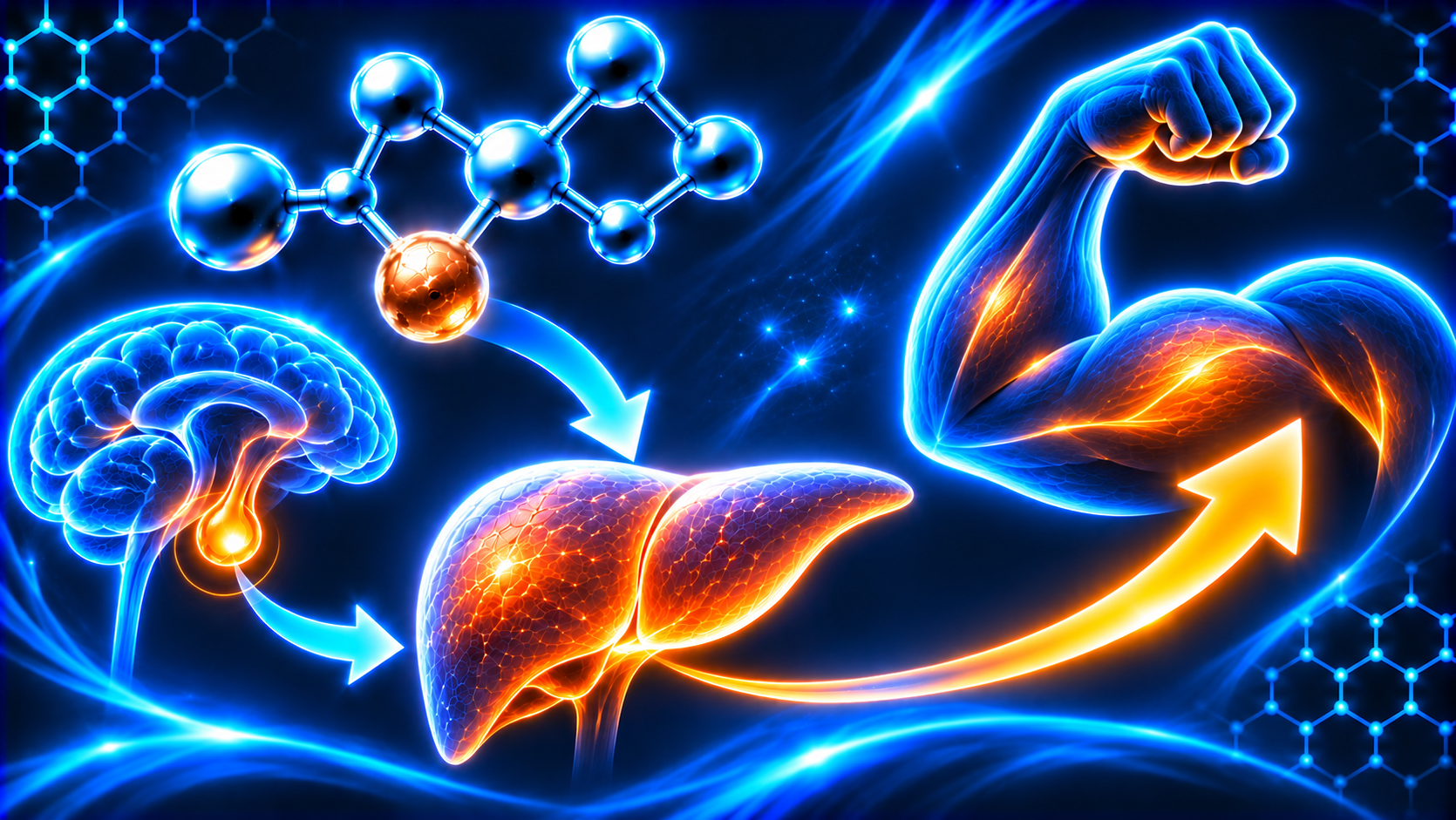
GHRP-6 can activate the same receptor as ghrelin, the hormone responsible for sending important hunger signals to the brain.
Ghrelin is often called the hunger hormone because it helps regulate appetite and tells the brain when the body may need food.
When ghrelin signaling increases, it can create a stronger desire to eat, even when the body already has energy available.
GHRP-6 interacts with this same signaling system, which helps explain why researchers have investigated its potential appetite-stimulating effects.
But GHRP-6 doesn't actually need to increase ghrelin levels to influence hunger. Instead, it can mimic some of ghrelin's effects by activating the same receptor.
Understanding this connection helps explain how GHRP-6 influences appetite, why hunger and growth hormone release are closely linked, and what scientific research has discovered about this peptide.
Research Background
What Is Ghrelin, and How Does It Control Hunger?
Ghrelin is a naturally occurring hormone produced primarily in the stomach. Often called the hunger hormone, it plays an important role in regulating appetite, food intake, and energy balance.
Ghrelin levels typically rise before meals and decrease after eating, helping the body communicate when it may be time for food.
When ghrelin activates receptors in the brain, particularly in an area called the hypothalamus, it stimulates pathways involved in hunger and eating behavior.
The stronger these appetite-related signals become, the more the brain may encourage food intake.
This natural signaling system helps the body manage its energy needs throughout the day.
How Does GHRP-6 Interact With Ghrelin?
GHRP-6 is a synthetic peptide that activates the growth hormone secretagogue receptor, also known as GHS-R1a.
This is the same receptor activated by the body's natural ghrelin hormone.
Although GHRP-6 and ghrelin are different molecules, they share an important characteristic: both can activate signaling pathways involved in growth hormone release and appetite regulation.
GHRP-6 essentially mimics certain actions of ghrelin by activating the same receptor, which helps explain its connection to increased hunger.
This receptor interaction has made GHRP-6 an interesting compound for researchers studying appetite stimulation, hunger signaling, and the relationship between food intake and growth hormone secretion.
Main Research Findings
Why Does GHRP-6 Increase Hunger?
GHRP-6 influences hunger by activating receptors connected to the brain's appetite-regulating system.
One important part of this system is the hypothalamus, which helps determine when the body feels hungry and when it has had enough food.
When GHRP-6 activates the ghrelin receptor, it can stimulate neurons involved in encouraging food intake.
Two important signaling molecules involved in this process are neuropeptide Y (NPY) and agouti-related peptide (AgRP). Both help promote hunger and eating behavior.
Essentially, GHRP-6 can activate the brain's hunger-signaling pathways, encouraging increased food intake.
This connection helps explain why appetite stimulation is one of the most interesting effects associated with GHRP-6 research.
What Does Research Show About GHRP-6 and Appetite?
A 2025 study published in Endocrinology investigated how GHRP-6 influences appetite and food intake in mice.
Researchers found that GHRP-6 increased food consumption in two important ways:
More frequent meals: The mice ate more often after receiving GHRP-6.
Larger meals: The mice also consumed more food during individual meals.
Researchers observed increased activity in brain regions involved in appetite regulation, providing additional evidence that GHRP-6 can stimulate hunger-related pathways.
These findings support the connection between GHRP-6, ghrelin receptor activation, and increased food intake.
Earlier human studies involving the related peptide GHRP-2 also demonstrated increased hunger and food consumption, supporting the broader role of ghrelin receptor signaling in appetite regulation.
However, those human findings involved GHRP-2 rather than GHRP-6, so they cannot be treated as direct evidence of identical effects in people.
How Are Hunger and Growth Hormone Connected?
One of the most interesting aspects of GHRP-6 is its ability to influence two biological processes through the same receptor system.
GHRP-6 activates pathways associated with:
Growth hormone release: Stimulating the body's growth hormone signaling system.
Appetite regulation: Activating brain pathways that encourage hunger and food intake.
The 2025 animal study observed both increased food consumption and elevated growth hormone levels following GHRP-6 administration.
This makes GHRP-6 particularly interesting for researchers studying the relationship between hunger, energy balance, and growth hormone secretion.
Although more human research is needed, these findings provide a clearer understanding of why GHRP-6 is associated with appetite stimulation.
Research Methodology / Context
Is GHRP-6 the Same as Ghrelin?
Although GHRP-6 and ghrelin activate the same receptor, they are not the same substance.
Ghrelin is a naturally occurring hormone produced primarily in the stomach, while GHRP-6 is a synthetic peptide developed for research.
Both interact with the ghrelin receptor, but their molecular structures and biological activities differ.
GHRP-6 can mimic certain hunger-related effects of ghrelin without increasing the body's natural ghrelin levels.
This distinction helps researchers understand how ghrelin receptor activation influences appetite and growth hormone release.
Does GHRP-6 Increase Hunger in Everyone?
Not necessarily. Hunger is influenced by several factors, including meal timing, nutritional status, metabolism, and other appetite-regulating hormones.
Although animal research has demonstrated increased food intake following GHRP-6 exposure, the strength and consistency of this response in humans remain uncertain.
The important takeaway is that GHRP-6 has demonstrated appetite-stimulating activity in experimental research, but individual responses and long-term effects are not yet well established.
Current Research Limitations
Although research supports a connection between GHRP-6 and increased appetite, several important questions remain unanswered.
Much of the evidence directly examining GHRP-6 and food intake comes from animal studies. While these findings help explain how the peptide influences hunger, they do not establish that humans will experience the same effects.
More human research is needed to determine how consistently GHRP-6 increases appetite and whether these effects continue with repeated exposure.
Researchers also need to better understand how prolonged ghrelin receptor activation may affect metabolism, hormone regulation, and overall energy balance.
Although GHRP-6 has demonstrated appetite-stimulating activity in experimental research, its long-term safety and effectiveness for increasing food intake or promoting weight gain have not been established.
GHRP-6 is not FDA-approved for human therapeutic use, and its potential benefits and risks require further clinical investigation.
Discussion
Why Is GHRP-6's Effect on Hunger Important?
GHRP-6 is often associated with growth hormone research, but its connection to appetite is equally interesting.
By activating the ghrelin receptor, GHRP-6 provides researchers with a way to investigate how hunger signals and growth hormone regulation interact.
This is especially important because not all growth hormone secretagogues produce the same appetite-related effects.
Although several peptides can stimulate growth hormone release, they differ in how they interact with receptors and influence other biological pathways.
GHRP-6 has attracted attention because experimental research has demonstrated both growth hormone-releasing activity and increased food intake.
Its ability to activate hunger-related pathways makes GHRP-6 an important compound for studying appetite stimulation and energy balance.
Understanding these effects may also help researchers explore how ghrelin receptor signaling contributes to eating behavior and the body's regulation of energy.
While its potential applications require further investigation, the connection between GHRP-6, ghrelin, and hunger remains an interesting area of peptide research.
Conclusion
GHRP-6's connection to hunger comes from its ability to activate the same receptor used by ghrelin, the body's natural hunger hormone.
By stimulating this receptor, GHRP-6 can influence appetite-related pathways in the brain while also promoting growth hormone release.
Experimental research has demonstrated that GHRP-6 can increase food intake in animals, providing evidence of its appetite-stimulating activity.
The key takeaway is simple: GHRP-6 doesn't need to increase natural ghrelin levels to influence hunger. Instead, it can activate the ghrelin receptor directly, triggering some of the same signals that encourage eating.
Although more human research is needed, these findings help explain why GHRP-6 remains an interesting compound in studies of appetite regulation, ghrelin signaling, and growth hormone secretion.
At Peptide Purity USA, we emphasize research material quality, analytical transparency, and responsible laboratory practices to support scientific investigation.
Research Use Only: All research materials offered by Peptide Purity USA are intended strictly for laboratory research purposes. Not for human or veterinary consumption. Not intended for diagnostic or therapeutic applications.
References
- 1. Intranasal Delivery of a Ghrelin Mimetic Engages the Brain Ghrelin Signaling System in Mice. Endocrinology. 2025;166(3).
- 2. Kojima M, Hosoda H, Date Y, et al. Ghrelin Is a Growth-Hormone-Releasing Acylated Peptide From Stomach. Nature. 1999;402:656–660.
- 3. Howard AD, Feighner SD, Cully DF, et al. A Receptor in Pituitary and Hypothalamus That Functions in Growth Hormone Release. Science. 1996;273(5277):974–977.
- 4. Wren AM, Seal LJ, Cohen MA, et al. Ghrelin Enhances Appetite and Increases Food Intake in Humans. The Journal of Clinical Endocrinology & Metabolism. 2001;86(12):5992.
- 5. Laferrère B, Abraham C, Russell CD, Bowers CY. Growth Hormone Releasing Peptide-2 (GHRP-2), Like Ghrelin, Increases Food Intake in Healthy Men. The Journal of Clinical Endocrinology & Metabolism. 2005;90(2):611–614.
- 6. Wren AM, Small CJ, Ward HL, et al. The Novel Hypothalamic Peptide Ghrelin Stimulates Food Intake and Growth Hormone Secretion. Endocrinology. 2000;141(11):4325–4328.