Introduction
What Is KLOW Peptide, and What Are Its Potential Benefits?
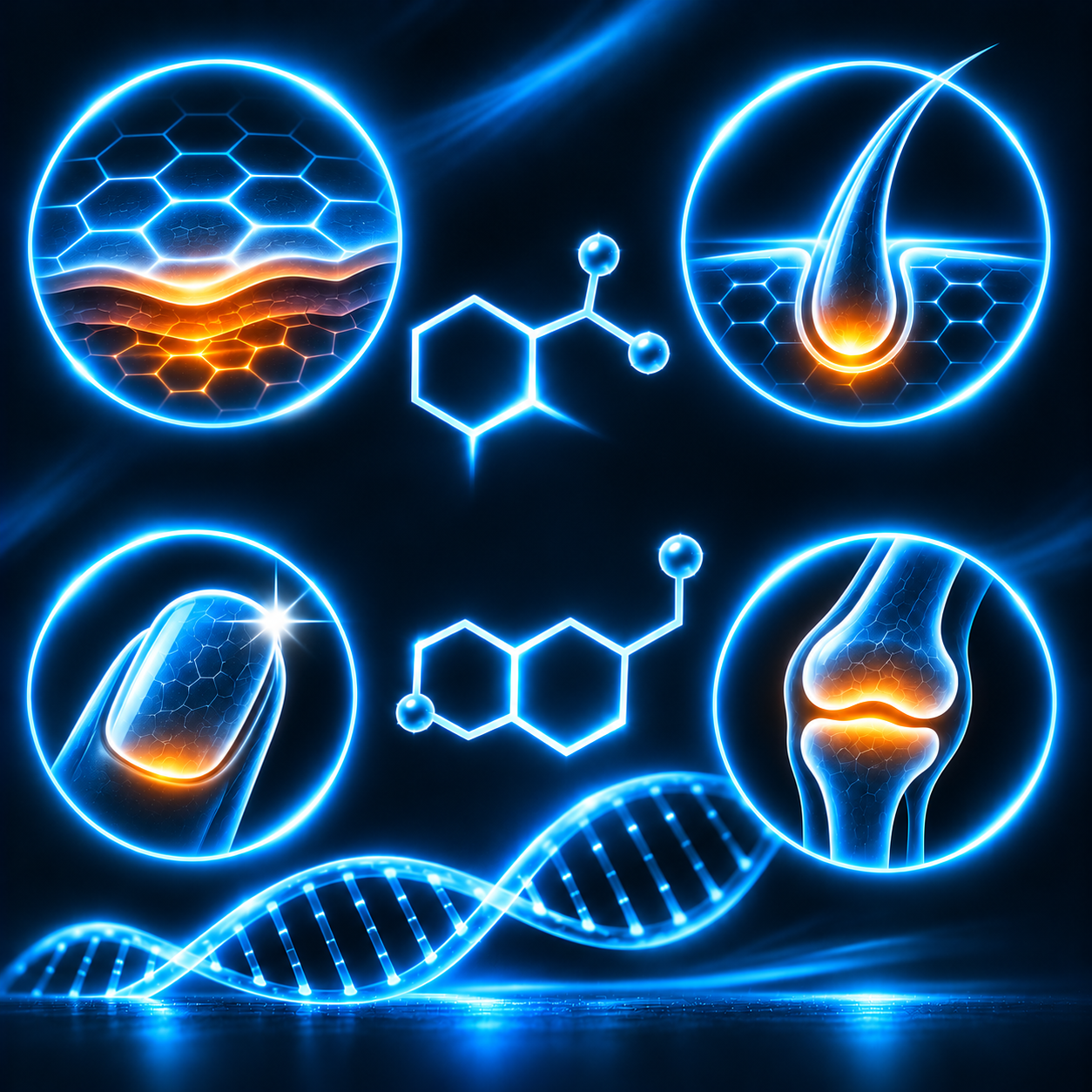
KLOW peptide is a four-peptide research blend containing BPC-157, TB-500, GHK-Cu, and KPV. Researchers are interested in these compounds because of their potential roles in tissue repair, skin health, inflammation regulation, and cellular recovery.
What makes KLOW peptide different is the combination of four ingredients that researchers study for different biological functions. Rather than focusing on a single process, the blend brings together compounds associated with several aspects of tissue maintenance and repair.
What Are the Four Ingredients in KLOW Peptide?
Each ingredient has its own area of scientific interest:
BPC-157: Studied for its potential role in tendon, ligament, muscle, and gastrointestinal tissue repair.
TB-500: Investigated for its relationship to cell migration, tissue remodeling, and wound healing pathways.
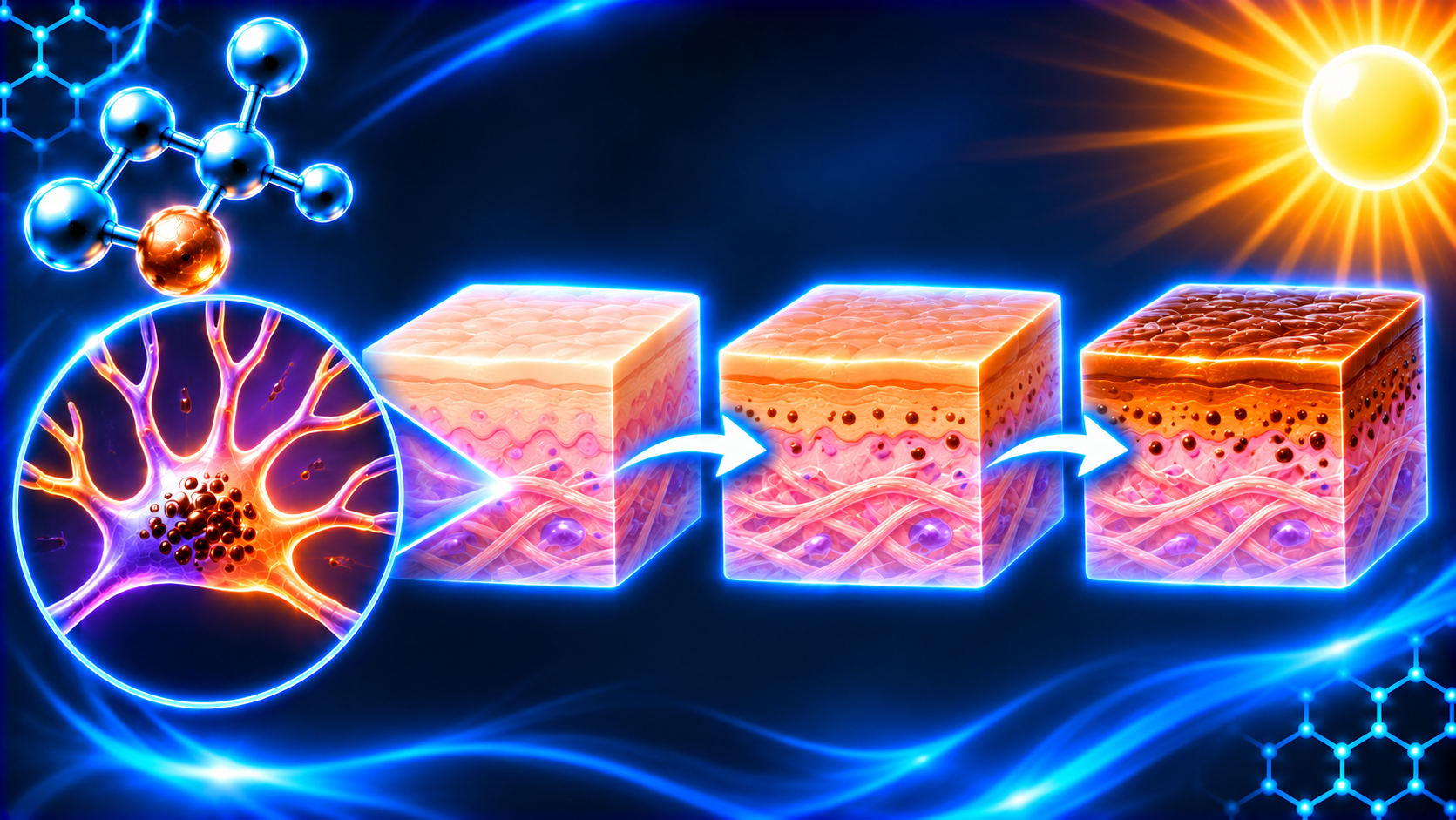
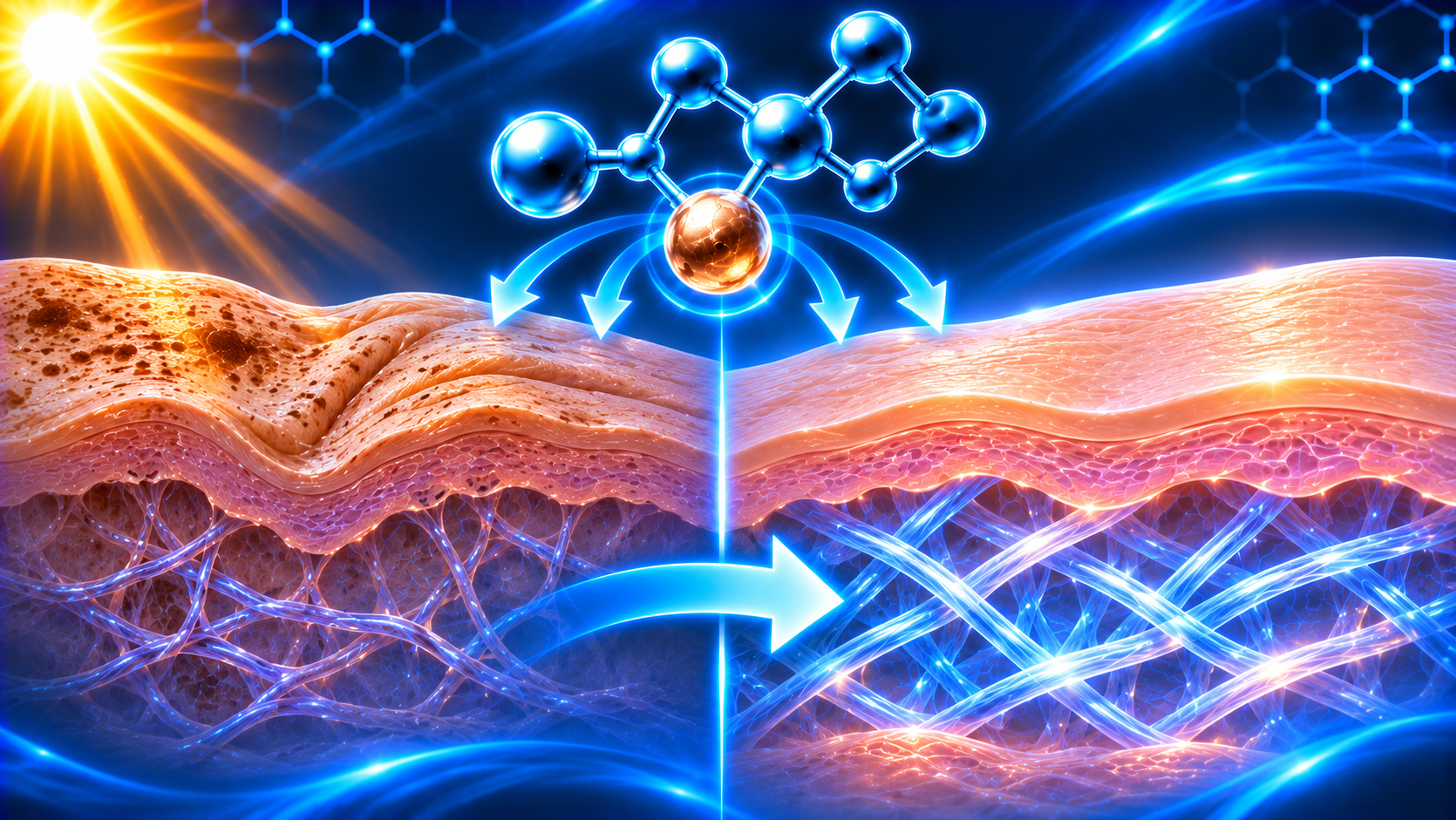
GHK-Cu: A copper peptide researched for collagen production, skin regeneration, and tissue health.
KPV: A small peptide studied for its potential influence on inflammatory signaling.
These areas of research are connected. Tissue repair involves more than rebuilding damaged cells. It also depends on inflammation regulation, collagen formation, and the processes that support healthy tissue.
This is why researchers are interested in the potential benefits of KLOW peptide and its four ingredients.
Studies involving individual components have produced promising findings, particularly in laboratory and animal research. However, the complete KLOW peptide blend has not been clinically proven to improve healing, recovery, or skin health in humans.
So, what does the science actually tell us?
In this article, we'll explore KLOW peptide benefits, ingredients, how the blend works, and what current research suggests about each of its four compounds.
Research Background
What Is KLOW Peptide?
KLOW peptide is a research blend made from four distinct peptides: GHK-Cu, BPC-157, TB-500, and KPV.
Each peptide has been studied for different biological activities, but they share a common area of scientific interest: the processes involved in tissue health, inflammation, and cellular repair.
Unlike a single peptide, KLOW combines multiple compounds into one formulation. The ingredients remain separate molecules, each with its own structure and research background.
What Are the Four Ingredients in KLOW Peptide?
A commonly available KLOW peptide blend contains 80 mg of combined research peptides.
| Ingredient | Amount | Research focus |
|---|---|---|
| GHK-Cu | 50 mg | Collagen production, skin regeneration |
| BPC-157 | 10 mg | Tissue repair, tendon and ligament recovery |
| TB-500 | 10 mg | Cell migration, wound healing pathways |
| KPV | 10 mg | Inflammation regulation, immune signaling |
These amounts represent a commonly marketed formulation, although concentrations may vary between suppliers.
Why Are These Four Peptides Studied Together?
To understand the interest in KLOW peptide benefits, it helps to understand how the body repairs damaged tissue.
Tissue recovery involves several connected processes.
First, inflammatory signals help the body respond to damage. Cells then move into the affected area, while structural proteins such as collagen help support the formation and remodeling of tissue.
Each ingredient in KLOW has been investigated in connection with one or more of these processes.
GHK-Cu has attracted attention for its effects on collagen-related activity and skin regeneration.
BPC-157 has demonstrated promising tissue-repair activity in several preclinical studies, particularly those involving soft tissues.
TB-500 is associated with research involving thymosin beta-4, a protein studied for its role in cell movement and wound healing. However, findings involving full-length thymosin beta-4 do not necessarily apply to TB-500 fragments.
KPV has demonstrated anti-inflammatory effects in laboratory and animal models, including research involving intestinal inflammation.
Together, these four ingredients provide a foundation for investigating several biological processes associated with tissue maintenance and repair.
What Makes KLOW Interesting for Research?
The main scientific interest in KLOW comes from the possibility of studying multiple repair-related pathways within one formulation.
Rather than investigating collagen production, cell migration, or inflammation separately, researchers could examine how these processes respond when multiple peptides are present.
This raises an important question: Could the ingredients in KLOW produce complementary effects when studied together?
The individual peptides provide reasons to investigate that possibility, but the complete KLOW blend has not yet been shown to produce additional benefits in controlled studies.
Understanding these individual research findings is the next step in evaluating KLOW's potential.
Main Research Findings
KLOW Peptide Benefits: What Does the Research Show?
The growing interest in KLOW peptide benefits comes from scientific studies involving its four ingredients: BPC-157, TB-500, GHK-Cu, and KPV.
Although the complete KLOW formulation has not been clinically validated, research on individual ingredients has identified several biological activities related to tissue repair, skin health, inflammation, and cellular recovery.
Here are five of the most important areas researchers are investigating.
1. Tissue Repair and Recovery
One of the main reasons KLOW has attracted attention is its connection to tissue repair research.
BPC-157 has been investigated in animal studies involving damaged tendons, ligaments, muscles, and other soft tissues.
Some studies have reported improvements in healing-related measurements, including tissue organization, cell movement, and the formation of new blood vessels.
These findings suggest that BPC-157 may influence several processes involved in repairing damaged tissue.
TB-500 is also associated with tissue recovery research because of its relationship to thymosin beta-4, a naturally occurring protein involved in cell movement and tissue maintenance.
Studies involving thymosin beta-4 have demonstrated activity related to cell migration and wound healing. However, those findings cannot automatically be applied to every TB-500 preparation.
Why this matters: Tissue repair depends on cells reaching damaged areas, rebuilding tissue, and restoring normal structure. The individual research findings provide a reason to investigate these pathways in KLOW, although faster recovery from the complete blend has not been demonstrated in humans.
2. Skin Health and Collagen Production
Another important area of KLOW peptide research involves skin regeneration and collagen production.
This interest comes primarily from GHK-Cu, a copper-binding peptide studied for its effects on skin cells and connective tissue.
Collagen is one of the main proteins responsible for giving skin its strength, firmness, and structure.
As skin ages or becomes damaged, collagen production and organization can change.
Research involving GHK-Cu has shown that it can influence fibroblasts, the cells responsible for producing collagen and other materials that support healthy tissue.
Laboratory studies have also investigated its effects on tissue remodeling and skin repair.
Some human studies involving topical copper-peptide formulations have reported improvements in certain measures of skin appearance, although results depend on the formulation and study design.
Why this matters: GHK-Cu gives KLOW a strong connection to skin and collagen research. Its biological activity makes it an interesting ingredient for investigating tissue regeneration, but results from topical GHK-Cu cannot be assumed to apply to the complete KLOW formulation.
3. Inflammation Regulation
Inflammation plays an important role in how the body responds to injury, irritation, and tissue damage.
A normal inflammatory response helps coordinate the early stages of repair. However, prolonged or excessive inflammation can interfere with healthy tissue function.
This is where KPV becomes particularly interesting.
KPV is a small peptide made from three amino acids: lysine, proline, and valine.
Researchers have investigated its ability to influence inflammatory pathways, including NF-κB, a signaling system involved in controlling inflammatory responses.
In laboratory and animal studies, KPV has demonstrated the ability to reduce certain inflammatory signals.
Research published in Gastroenterology in 2008 reported anti-inflammatory effects involving intestinal cells and experimental models of intestinal inflammation.
These findings suggest that KPV can influence biological processes associated with inflammatory activity.
Why this matters: KPV adds a distinct inflammation-related research focus to KLOW. Since inflammation and tissue repair are closely connected, studying this pathway alongside other repair-related mechanisms may help researchers better understand how the ingredients interact.
4. Wound Healing and Cellular Regeneration
Wound healing is a complex process involving several stages.
After tissue becomes damaged, the body must regulate inflammation, move cells into the affected area, produce structural proteins, and gradually rebuild tissue.
Several ingredients in KLOW have been investigated in connection with these activities.
GHK-Cu has demonstrated effects on collagen-related processes and tissue remodeling.
BPC-157 has shown healing-related activity in experimental injury models, including effects on cell movement and blood vessel formation.
Research involving thymosin beta-4 has also explored how cells migrate into damaged tissue and participate in wound repair.
These findings are important because wound healing requires multiple biological processes to work together.
For example, collagen helps provide structure to newly forming tissue, while cell migration allows repair-related cells to reach the affected area.
Why this matters: KLOW contains ingredients associated with different stages of wound healing research. This creates an opportunity to investigate their combined biological activity, but there is currently no clinical evidence that KLOW itself accelerates wound healing in humans.
5. Gut Health and Intestinal Tissue Research
KLOW has also attracted interest because two of its ingredients, BPC-157 and KPV, have been studied in connection with gastrointestinal tissues.
BPC-157 has been investigated in animal models involving gastrointestinal injury and protective mechanisms within the digestive system.
Some preclinical studies have reported effects on tissue repair and injury-related processes.
KPV has been investigated for its anti-inflammatory activity in intestinal cells and animal models of intestinal inflammation.
Research has shown that KPV can enter certain intestinal cells through a peptide transporter known as PepT1.
Once inside these cells, KPV has demonstrated effects on signaling pathways involved in inflammation.
These findings have encouraged scientific interest in how small peptides interact with intestinal tissues and inflammatory processes.
Why this matters: The research backgrounds of BPC-157 and KPV provide a reason to investigate gastrointestinal tissue responses. However, KLOW has not been shown to improve gut health or treat digestive disorders in controlled human studies.
What Do These Findings Tell Us About KLOW?
The individual ingredients in KLOW have demonstrated biological activity across several important areas of research.
BPC-157 has shown promising findings in experimental tissue repair models.
GHK-Cu has been studied for collagen production, skin regeneration, and tissue remodeling.
Thymosin beta-4-related research has explored cell migration and wound healing mechanisms.
KPV has demonstrated anti-inflammatory activity in laboratory and animal studies.
Together, these findings explain why KLOW peptide is being discussed in connection with tissue repair, skin health, inflammation, and cellular recovery.
However, there is an important distinction between evidence supporting an individual ingredient and evidence supporting a complete peptide blend.
The existing research provides a scientific foundation for investigating KLOW, but further studies are needed to determine whether combining these four peptides produces measurable benefits beyond their individual activities.
Research Methodology / Context
How Are KLOW Peptide Ingredients Studied?
Understanding the potential benefits of KLOW peptide starts with understanding how its individual ingredients have been researched.
Most of the available scientific evidence comes from studies involving BPC-157, TB-500-related compounds, GHK-Cu, and KPV separately, rather than the complete four-peptide formulation.
Researchers generally use three types of studies to investigate their biological activity.
1. Laboratory Studies: Understanding How Peptides Work
Laboratory studies allow scientists to examine how peptides interact with specific cells and biological pathways.
For example, researchers have studied how GHK-Cu influences fibroblasts, the cells responsible for producing collagen and other structural materials found in skin and connective tissue.
Other experiments have investigated how KPV affects inflammatory signaling in cultured intestinal and immune cells.
These studies help identify the biological processes that individual peptides may influence.
However, an effect observed in isolated cells does not guarantee the same result in a living organism.
2. Animal Studies: Investigating Tissue Repair and Inflammation
Animal research provides a more complete picture of how peptides behave within living biological systems.
BPC-157 has demonstrated promising activity in several experimental injury models, including studies involving tendons, muscles, and gastrointestinal tissues.
Researchers have examined changes in tissue organization, cell migration, and other measurements associated with healing.
KPV has also demonstrated anti-inflammatory activity in animal models, particularly those involving intestinal inflammation.
Research involving thymosin beta-4 has explored wound healing and cell migration, although findings involving the full-length protein cannot automatically be applied to TB-500 fragments.
These studies provide valuable evidence of biological activity, but animal results do not always translate into meaningful human benefits.
3. Human Studies: What Has Been Established?
Human clinical trials are essential for determining whether research findings translate into safe and effective outcomes.
Some individual peptide-related formulations, including topical products containing copper peptides, have been investigated in humans.
However, the complete KLOW peptide blend has not been established as safe or effective through controlled human clinical trials.
This means researchers still need to determine how the four ingredients interact, whether combining them changes their activity, and what safety concerns may arise.
Why Peptide Purity and Quality Matter
Reliable peptide research depends on knowing exactly what is being tested.
This becomes particularly important with a multi-peptide formulation such as KLOW, where several compounds are present in the same preparation.
Important research considerations include:
Peptide identity: Confirming that each ingredient is the intended compound.
Purity: Evaluating the presence of impurities or unwanted chemical byproducts.
Concentration: Verifying the amount of each peptide in the formulation.
Stability: Understanding how storage conditions and preparation may affect the compounds.
Compatibility: Investigating whether ingredients interact or change when combined.
Analytical techniques such as high-performance liquid chromatography (HPLC) and mass spectrometry can help researchers evaluate peptide identity and chemical purity.
For a blend like KLOW, testing must also be capable of distinguishing its individual ingredients.
Accurate identification, purity testing, and consistent laboratory handling are essential for producing reliable and reproducible research results.
Why This Research Matters
The existing studies provide a foundation for understanding why the ingredients in KLOW have attracted scientific attention.
Laboratory research helps identify biological mechanisms, animal studies provide information about activity in living systems, and human trials are needed to establish clinical outcomes.
Together, these approaches help researchers move from promising early findings toward a clearer understanding of potential applications.
For KLOW, the next important step is research specifically examining the complete four-peptide formulation rather than relying solely on findings from its individual ingredients.
Current Research Limitations
What Are the Limitations of KLOW Peptide Research?
Although the individual ingredients in KLOW have shown promising activity in laboratory and animal studies, research on the complete four-peptide blend remains limited.
Understanding these limitations is important when evaluating potential KLOW peptide benefits.
1. Limited Research on the Complete KLOW Blend
Most available studies examine BPC-157, GHK-Cu, KPV, or thymosin beta-4-related compounds individually.
There is currently no established clinical evidence demonstrating that the complete KLOW formulation improves tissue repair, skin regeneration, or inflammation in humans.
While combining peptides with different biological activities creates interesting research possibilities, their effects cannot simply be added together.
2. Many Findings Come From Preclinical Studies
Much of the research involving KLOW's ingredients has been conducted in laboratory settings or animal models.
These studies help scientists understand how peptides interact with cells and tissues, but they cannot reliably predict human outcomes.
Additional controlled human studies are needed to determine whether the observed effects translate into meaningful benefits.
3. Long-Term Safety Remains Unknown
The long-term safety of the complete KLOW peptide blend has not been established.
Researchers still need to investigate possible interactions between ingredients, immune responses, and other potential adverse effects.
Even when individual compounds demonstrate promising biological activity, combining them may change their behavior.
4. Formulations May Vary
KLOW is a research blend rather than a standardized, approved pharmaceutical product.
Ingredient concentrations, chemical specifications, and purity may differ between suppliers.
This makes accurate testing and clearly documented formulations particularly important for reliable research.
What Does This Mean for Future KLOW Research?
The current evidence provides several reasons to continue investigating KLOW's individual ingredients and their potential interactions.
However, promising early research is not the same as proven clinical effectiveness.
Future studies comparing the complete KLOW formulation with its individual components will be important for determining whether the blend offers any measurable advantages.
Until those studies are available, KLOW is best understood as an investigational peptide formulation with several biologically interesting ingredients and important unanswered questions.
Discussion
Why Is KLOW Peptide Attracting Interest?
One of the most interesting aspects of KLOW peptide is that its four ingredients have been studied in connection with different biological processes involved in tissue health and repair.
The body does not rely on a single mechanism to recover from tissue damage.
Instead, several processes work together, including inflammation regulation, cell migration, collagen production, and tissue remodeling.
KLOW brings together four peptides associated with these different areas of research, creating an opportunity to investigate how multiple biological pathways respond within the same experimental setting.
The Potential of Studying Multiple Repair Pathways
Each ingredient in KLOW contributes a different research focus.
BPC-157 has attracted attention for its activity in experimental tissue-repair models, while research involving thymosin beta-4 has explored cellular movement and wound healing.
GHK-Cu has demonstrated effects on collagen-related activity and skin regeneration, and KPV has shown anti-inflammatory activity in laboratory and animal studies.
These processes are closely connected.
For example, inflammation helps coordinate the early stages of tissue repair, while cell migration and collagen production contribute to rebuilding damaged tissue.
The possibility of investigating several connected processes is what makes KLOW an interesting multi-peptide research formulation.
However, whether its ingredients produce complementary effects when combined remains an open scientific question.
Could KLOW Offer Benefits Beyond Its Individual Ingredients?
This is one of the biggest questions surrounding KLOW peptide research.
Because its ingredients have different biological activities, researchers may be interested in whether combining them produces effects that differ from studying each peptide separately.
In theory, multiple compounds could influence different stages of the same biological process.
But combining peptides does not automatically make them more effective.
Their interactions could strengthen, weaken, or leave unchanged the effects observed in individual studies.
Carefully controlled research would be needed to determine whether KLOW produces any additional benefits.
What Does the Future Hold for KLOW Research?
Future studies could help answer several important questions about the complete KLOW peptide blend.
Researchers may investigate how the ingredients interact, whether their combined activity changes tissue-repair pathways, and how formulation stability affects experimental results.
Studies directly comparing KLOW with its individual components would be particularly valuable.
The strongest scientific argument for continued KLOW research is the range of biological pathways associated with its four ingredients.
Although the complete blend remains investigational, existing studies involving BPC-157, GHK-Cu, KPV, and thymosin beta-4-related compounds provide a foundation for exploring its potential in tissue repair, skin health, inflammation, and cellular recovery.
Conclusion
KLOW peptide has attracted growing interest in peptide research because it brings together four compounds associated with tissue repair, skin health, inflammation regulation, and cellular recovery.
The blend contains BPC-157, TB-500, GHK-Cu, and KPV, each with a different scientific background and area of investigation.
Research involving BPC-157 has demonstrated promising activity in experimental models of tissue repair, while studies involving thymosin beta-4-related compounds have explored cell migration and wound healing.
GHK-Cu has shown potential in collagen production, skin regeneration, and tissue remodeling, while KPV has demonstrated anti-inflammatory activity in laboratory and animal studies.
Together, these findings provide a scientific foundation for investigating KLOW peptide benefits across several important biological pathways.
What makes KLOW particularly interesting is the opportunity to study multiple processes involved in maintaining and repairing healthy tissue within one formulation.
However, research on the complete four-peptide blend remains limited. Its combined effectiveness, potential interactions, and long-term safety have not been established in controlled human clinical trials.
The key takeaway is that KLOW combines four scientifically interesting peptides with promising individual research findings, but the complete formulation still requires further investigation.
As peptide research continues to develop, additional studies may help clarify how these compounds interact and whether their combined activity offers measurable advantages.
At Peptide Purity USA, we emphasize high-quality research materials, analytical transparency, and responsible scientific investigation.
Research Use Only: All research materials offered by Peptide Purity USA are intended strictly for laboratory research purposes. Not for human or veterinary consumption. Not intended for diagnostic or therapeutic applications.
References
- 1. Cerovecki, T., Bojanic, I., Brcic, L., et al. (2010). Pentadecapeptide BPC 157 (PL 14736) improves ligament healing in the rat. Journal of Orthopaedic Research, 28(9), 1155–1161.
- 2. Chang, C. H., Tsai, W. C., Lin, M. S., Hsu, Y. H., & Pang, J. H. S. (2011). The promoting effect of pentadecapeptide BPC 157 on tendon healing involves tendon outgrowth, cell survival, and cell migration. Journal of Applied Physiology, 110(3), 774–780.
- 3. Pickart, L., & Margolina, A. (2018). Regenerative and protective actions of the GHK-Cu peptide in the light of the new gene data. International Journal of Molecular Sciences, 19(7), 1987.
- 4. Pickart, L., Vasquez-Soltero, J. M., & Margolina, A. (2015). GHK peptide as a natural modulator of multiple cellular pathways in skin regeneration. BioMed Research International, 2015, 648108.
- 5. Malinda, K. M., Sidhu, G. S., Mani, H., et al. (1999). Thymosin beta4 accelerates wound healing. Journal of Investigative Dermatology, 113(3), 364–368.
- 6. Dalmasso, G., Charrier-Hisamuddin, L., Nguyen, H. T. T., Yan, Y., Sitaraman, S., & Merlin, D. (2008). PepT1-mediated tripeptide KPV uptake reduces intestinal inflammation. Gastroenterology, 134(1), 166–178.
- 7. Krivic, A., Anic, T., Seiwerth, S., Huljev, D., & Sikiric, P. (2006). Achilles detachment in rat and stable gastric pentadecapeptide BPC 157: Promoted tendon-to-bone healing and opposed corticosteroid aggravation. Journal of Orthopaedic Research, 24(5), 982–989.
- 8. Pickart, L., & Margolina, A. (2018). Skin regenerative and anti-cancer actions of copper peptides. Cosmetics, 5(2), 29.