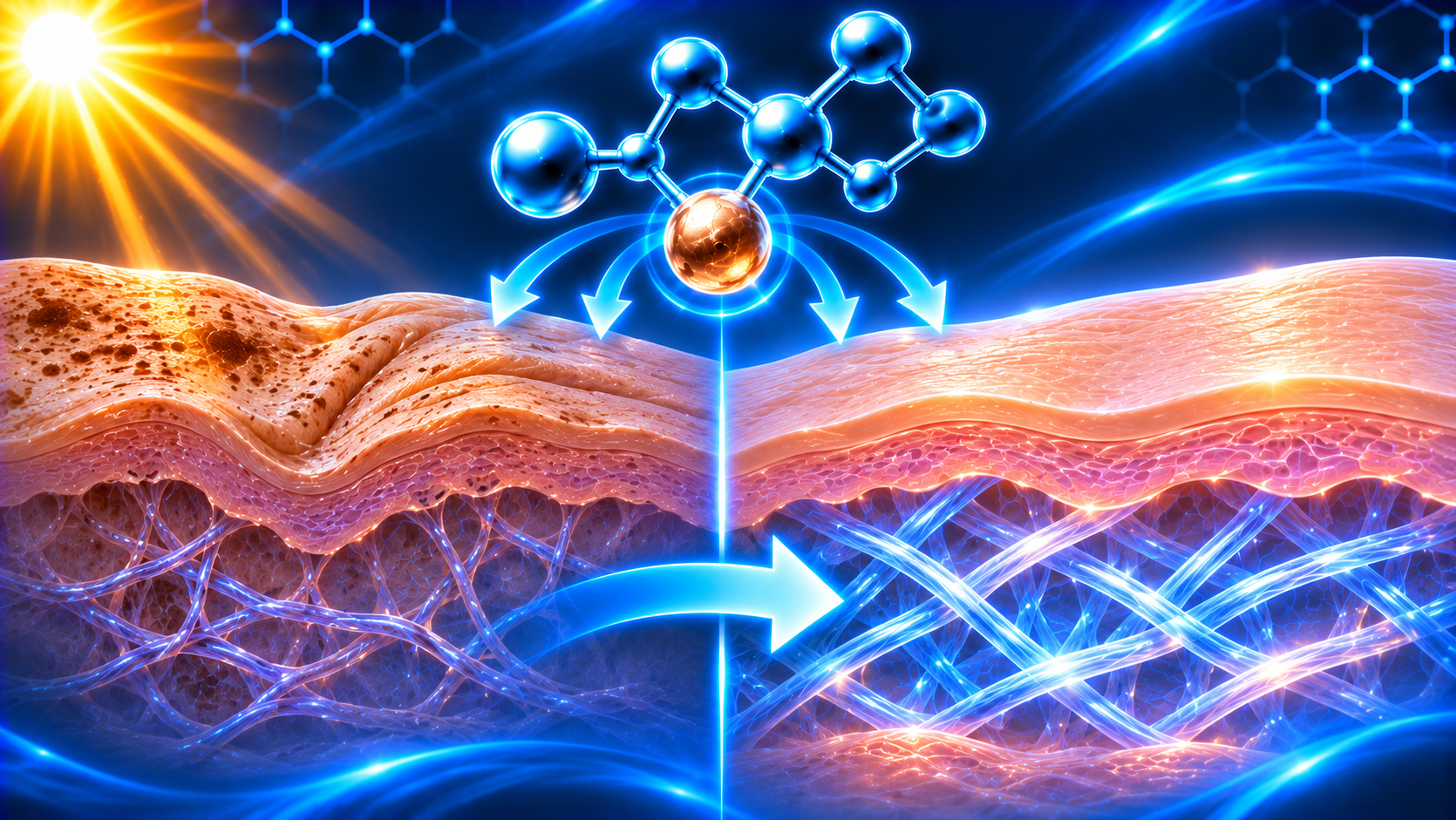
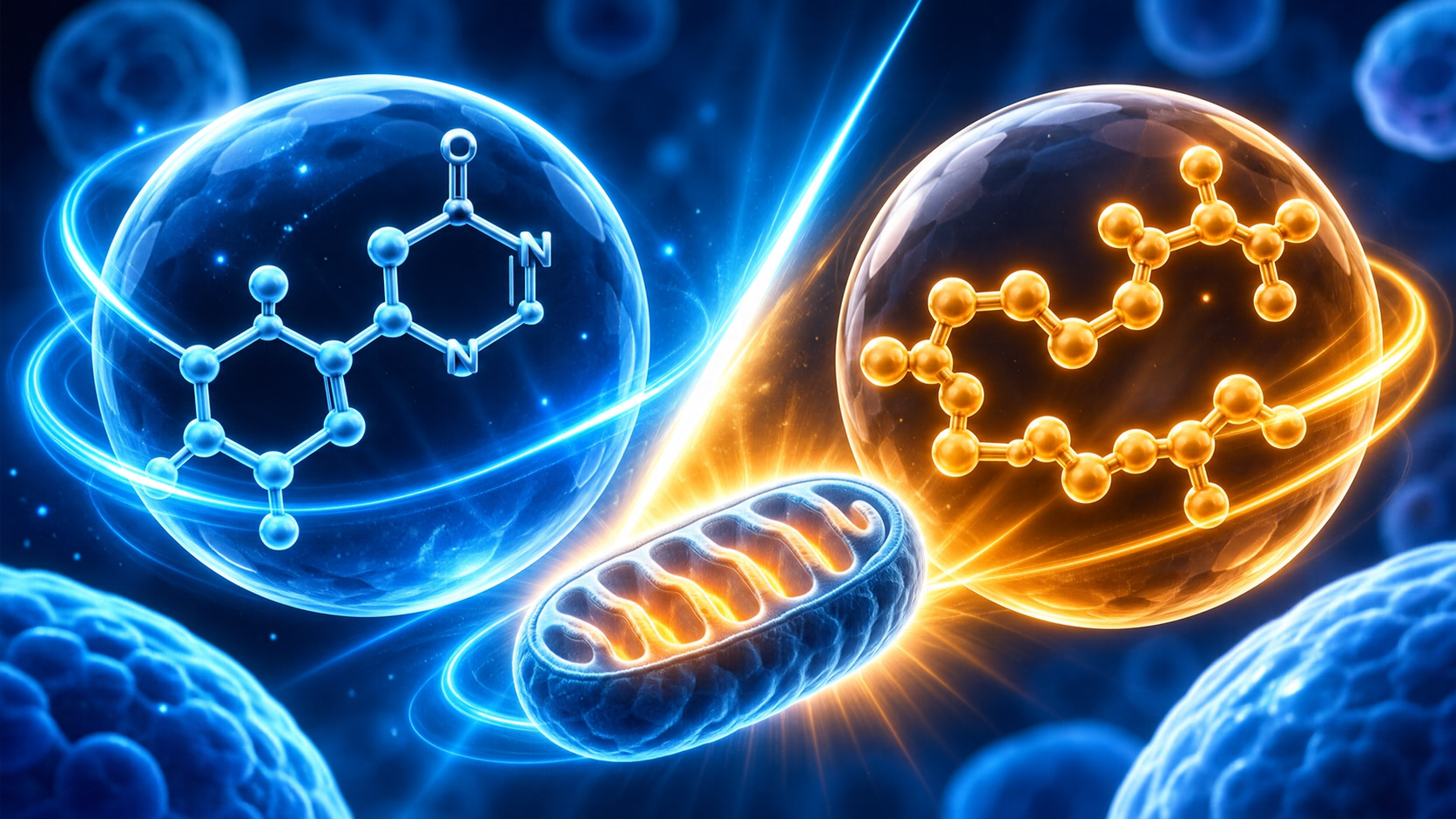
Introduction
Every cell in your body needs energy to function. From muscle movement and recovery to everyday cellular maintenance, your body is constantly working to produce and manage energy.
Two compounds gaining attention in cellular energy research are NAD+ and MOTS-c. Both are connected to mitochondrial function and energy metabolism, but they work in very different ways.
NAD+ helps cells produce energy, while MOTS-c is being studied for how it helps cells manage and respond to energy demands.
NAD+ is a naturally occurring coenzyme that plays an essential role in turning nutrients into usable energy. MOTS-c is a mitochondrial-derived peptide that researchers are investigating for its potential influence on metabolism, glucose utilization, and cellular stress.
Both have also attracted interest in research involving mitochondrial health and cellular aging.
So, when comparing NAD+ vs. MOTS-c, which plays the bigger role in cellular energy, and what makes them different?
Let's look at what the research shows.
Research Background
NAD+: Helping Cells Produce Energy
NAD+ is a naturally occurring compound found in nearly every cell in the body. Its main job is to help turn the nutrients from food into usable energy.
Much of this process happens inside the mitochondria, often called the powerhouses of our cells.
Without NAD+, cells cannot efficiently carry out the processes needed to produce energy.
NAD+ also plays a role in DNA repair and cellular maintenance. Researchers have found that NAD+ levels can decline in certain tissues as we age, which has increased interest in its connection to mitochondrial health and cellular aging.
MOTS-c: Helping Cells Manage Energy
MOTS-c works differently.
Unlike NAD+, which is directly involved in energy-producing reactions, MOTS-c is a small peptide being studied for how it influences the way cells use and manage energy.
One area of interest is its connection to AMPK, a system that helps cells respond when energy supplies are running low.
Early research suggests MOTS-c may influence how cells use glucose, respond to metabolic stress, and adapt to changing energy demands.
These findings have made MOTS-c an interesting subject in research involving metabolism, exercise, and mitochondrial function.
The simplest way to compare NAD+ and MOTS-c is this: NAD+ helps cells produce energy, while MOTS-c may help regulate how that energy is used.
Both are important areas of cellular energy research, but they serve different purposes.
Main Research Findings
NAD+ vs. MOTS-c: What Are the Main Differences?
Although NAD+ and MOTS-c are both connected to cellular energy, research shows they work through different processes.
| Feature | NAD+ | MOTS-c |
|---|---|---|
| Main role | Helps produce cellular energy | Helps regulate energy metabolism |
| Mitochondrial function | Supports energy production | May influence metabolic adaptation |
| Key research areas | Energy, DNA repair, aging | Metabolism, glucose use, exercise |
| Scientific evidence | Well-established cellular role | Mostly early-stage research |
1. NAD+ and Cellular Energy Production
One of the biggest benefits of NAD+ is its essential role in energy production.
NAD+ helps cells convert nutrients into ATP, the energy source that powers everyday cellular activity.
Researchers are also interested in NAD+ because it supports DNA repair and other processes that help cells maintain normal function.
Studies have found that NAD+ levels decline in some tissues with age. This has raised questions about whether restoring NAD+ levels could support cellular health as we get older.
However, NAD+ being essential for energy production does not mean increasing NAD+ automatically increases physical energy. Researchers are still studying that connection.
2. MOTS-c and Energy Metabolism
MOTS-c has attracted attention for a different reason.
Instead of directly helping produce energy, MOTS-c appears to influence how cells respond to changing energy needs.
Early laboratory and animal studies suggest MOTS-c may support processes involved in:
Glucose metabolism and insulin sensitivity
Cellular responses to energy shortages
Metabolic flexibility and exercise adaptation
These findings make MOTS-c particularly interesting in mitochondrial and metabolic health research.
While the early results are encouraging, more human studies are needed to determine whether MOTS-c produces similar benefits outside laboratory settings.
3. NAD+ and MOTS-c in Cellular Aging
Both compounds are also being investigated for their connections to aging.
NAD+ supports cellular maintenance and repair, while MOTS-c may influence how cells adapt to metabolic stress.
These different roles have made both compounds subjects of growing interest in longevity research.
The key difference: NAD+ is essential for producing cellular energy, while MOTS-c is being investigated for its potential to improve how cells regulate and respond to energy demands.
Neither has been proven to reverse aging or reliably increase everyday energy levels in humans.
Research Methodology / Context
Although NAD+ and MOTS-c are both being studied for cellular energy and mitochondrial health, the amount of research behind each compound is quite different.
NAD+ has decades of scientific research supporting its essential role in energy production. Researchers have studied how it helps cells produce energy, maintain normal function, and repair damage.
More recently, human studies have explored whether increasing NAD+ levels through compounds such as nicotinamide riboside (NR) and nicotinamide mononucleotide (NMN) can influence metabolism and age-related cellular changes.
MOTS-c research is still in its earlier stages. Most findings come from laboratory and animal studies examining glucose metabolism, mitochondrial function, and how cells respond to energy demands.
These studies have produced interesting results, particularly around metabolic regulation and exercise-related processes.
However, understanding how a compound works naturally in the body is different from proving that administering more of it provides additional benefits.
Researchers are continuing to investigate both compounds to better understand their potential applications in cellular energy and metabolic health.
Current Research Limitations
Although NAD+ and MOTS-c have attracted attention in cellular energy and mitochondrial research, there are still important questions researchers are working to answer.
For NAD+, its role in cellular energy production is well established. However, researchers are still determining whether increasing NAD+ levels leads to noticeable improvements in energy, physical performance, or age-related cellular health.
For MOTS-c, most of the promising findings come from laboratory and animal studies. More human research is needed to understand its potential benefits, safety, and long-term effects.
Another unanswered question is whether NAD+ and MOTS-c could provide additional benefits when studied together.
While both compounds have interesting connections to energy metabolism, their roles inside the body do not automatically mean that taking additional amounts will improve everyday energy levels.
Continued research will help clarify their potential in mitochondrial health, metabolism, and cellular aging.
Discussion
NAD+ vs. MOTS-c: Which Is Better for Cellular Energy?
When comparing NAD+ vs. MOTS-c for cellular energy, the answer depends on what researchers are trying to understand.
NAD+ plays a direct and essential role in energy production. It helps cells turn nutrients into usable energy while supporting cellular maintenance and repair.
MOTS-c works differently. Rather than directly participating in energy production, researchers are studying how this peptide influences metabolism and helps cells respond to changing energy demands.
This makes NAD+ especially important in research involving ATP production and cellular function, while MOTS-c has attracted interest for its potential influence on glucose metabolism, metabolic flexibility, and exercise-related processes.
Can NAD+ and MOTS-c Work Together?
Because these compounds influence different parts of cellular metabolism, researchers may find value in studying how their pathways interact.
However, there is currently not enough human evidence to conclude that combining NAD+ and MOTS-c improves energy production, physical performance, or mitochondrial health.
The biggest difference is simple: NAD+ helps cells produce energy, while MOTS-c may help cells adapt to how energy is needed and used.
Both have a place in cellular energy research, but NAD+ has a much more established scientific role, while MOTS-c remains an emerging area of investigation.
Conclusion
When comparing NAD+ vs. MOTS-c, both compounds have important connections to cellular energy, mitochondrial function, and metabolism. However, they work in different ways.
NAD+ is essential for cellular energy production. It helps cells convert nutrients into usable energy while supporting DNA repair and normal cellular maintenance.
MOTS-c is being studied for its potential role in energy regulation. Early research suggests this mitochondrial-derived peptide may influence glucose metabolism, metabolic flexibility, and how cells respond to changing energy demands.
The biggest difference comes down to their roles: NAD+ helps cells produce energy, while MOTS-c may help regulate how cells use and manage it.
Both remain interesting subjects in mitochondrial health and cellular aging research. While NAD+'s biological functions are well established, more human studies are needed to understand the potential benefits of MOTS-c and whether increasing either compound produces meaningful improvements in energy or metabolic health.
At Peptide Purity USA, we emphasize high-quality research materials, analytical transparency, and responsible scientific investigation.
Research Use Only: All research materials offered by Peptide Purity USA are intended strictly for laboratory research purposes. Not for human or veterinary consumption. Not intended for diagnostic or therapeutic applications.
References
- 1. Covarrubias, A. J., Perrone, R., Grozio, A., & Verdin, E. (2021). NAD+ metabolism and its roles in cellular processes during ageing. *Nature Reviews Molecular Cell Biology, 22*, 119–141.
- 2. Verdin, E. (2015). NAD+ in aging, metabolism, and neurodegeneration. *Science, 350*(6265), 1208–1213.
- 3. Yaku, K., Okabe, K., & Nakagawa, T. (2018). NAD metabolism: Implications in aging and longevity. *Ageing Research Reviews, 47*, 1–17.
- 4. Lee, C., et al. (2015). The mitochondrial-derived peptide MOTS-c promotes metabolic homeostasis and reduces obesity and insulin resistance. *Cell Metabolism, 21*(3), 443–454.
- 5. Reynolds, J. C., et al. (2021). MOTS-c is an exercise-induced mitochondrial-encoded regulator of age-dependent physical decline and muscle homeostasis. *Nature Communications, 12*, 470.