
Introduction
Why do our bodies slow down as we get older? Why does recovery take longer, energy levels change, and skin gradually lose its firmness?
The answers start at the cellular level.
Our bodies contain trillions of cells that constantly produce energy, repair damage, and maintain healthy tissue. As we age, some of these processes become less efficient. Cells may struggle to produce energy as effectively, repair damage as quickly, or respond to everyday stress.
These changes are part of cellular aging, and understanding them has become a major focus of longevity research.
Scientists are now studying compounds involved in these processes, including NAD+, MOTS-c, and GHK-Cu. Each has a different role in the body, but all three are connected to biological functions that can change with age.
NAD+ helps cells produce energy and supports enzymes involved in DNA repair.
MOTS-c is a mitochondrial-derived peptide being studied for its effects on metabolism, energy regulation, and cellular stress.
GHK-Cu is a copper peptide associated with collagen production, tissue repair, and skin health.
Although NAD+ is technically a coenzyme rather than a peptide, it is often discussed alongside peptides for longevity because of its important role in cellular function.
What makes these compounds interesting isn't the idea of stopping aging altogether. It's the possibility of better understanding the processes that help cells stay functional as we get older.
Researchers are looking beyond how long we live and asking how well our cells can continue working as we age.
So, what does the science actually say about NAD+, MOTS-c, and GHK-Cu? Can they influence cellular aging, and what might that mean for the future of longevity research?
Let's look at what researchers are discovering.
Research Background
Aging doesn't happen overnight. It begins with small changes inside our cells that gradually affect how our bodies function.
Every day, our cells produce energy, repair damage, and replace worn-out components. These processes help keep our muscles, skin, organs, and other tissues working properly.
As we get older, some of these systems become less efficient. Researchers studying cellular aging and longevity are particularly interested in three areas: energy production, cellular repair, and tissue maintenance.
1. Cells Become Less Efficient at Producing Energy
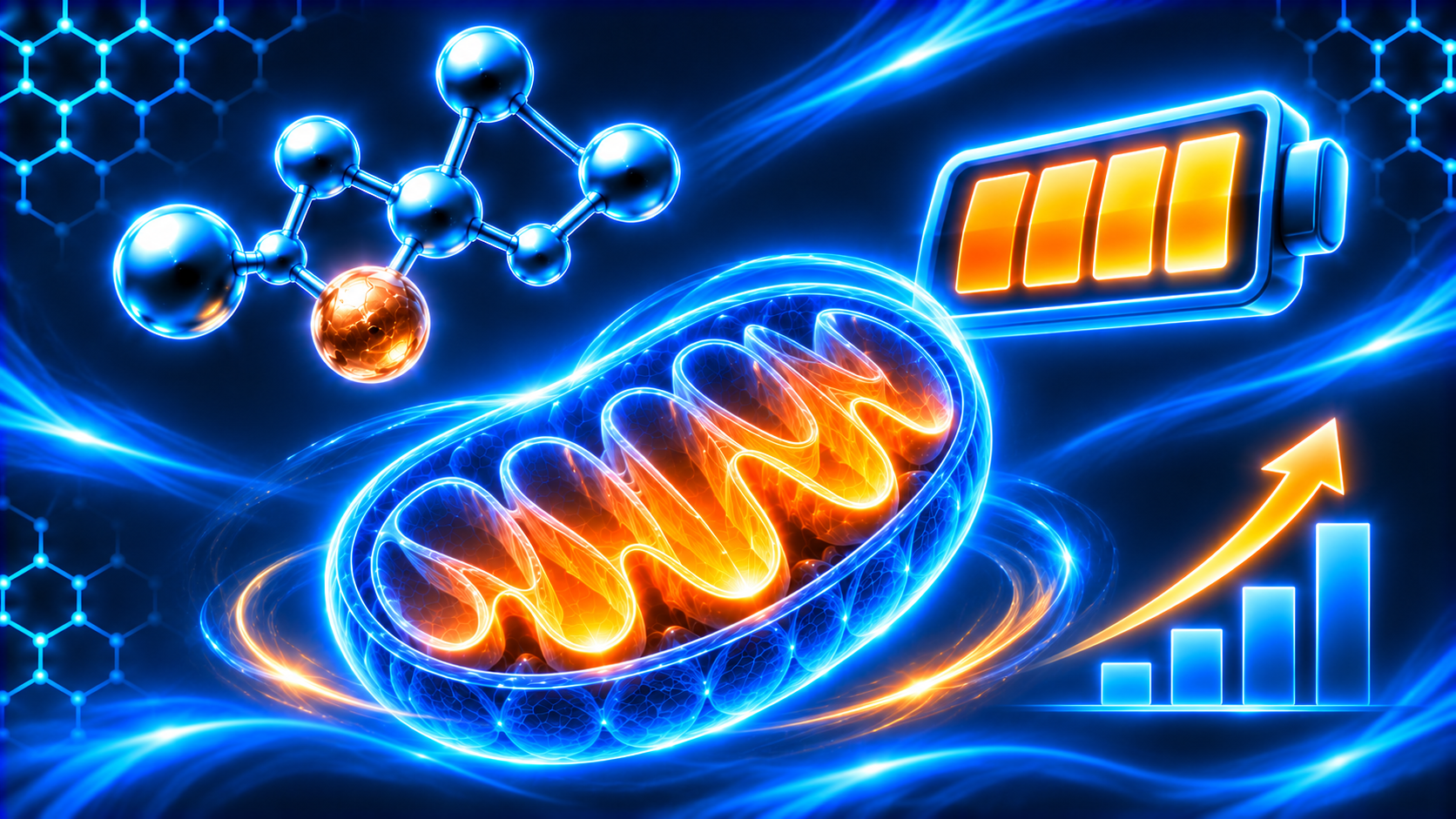
Inside most cells are tiny structures called mitochondria, often described as the body's cellular power plants.
Their job is to help turn nutrients into usable energy. This energy powers nearly everything our cells do, from muscle movement to everyday maintenance and repair.
As we age, mitochondrial function can decline in certain tissues. This can make it harder for cells to maintain normal energy production and respond to stress.
That's one reason NAD+ and MOTS-c have become important subjects in longevity research.
NAD+ plays a direct role in cellular energy metabolism, while MOTS-c is being studied for how it influences mitochondrial signaling and energy regulation.
2. Cellular Damage Becomes Harder to Manage
Our cells experience damage throughout life. Normal metabolism, environmental exposure, and everyday stress can affect DNA and other cellular structures.
Fortunately, our bodies have built-in repair systems that help manage this damage.
But these systems can become less effective with age, allowing certain types of cellular damage to accumulate.
NAD+ is especially important here because enzymes involved in DNA repair depend on it to function.
Researchers are investigating whether changes in NAD+ availability contribute to age-related declines in cellular maintenance.
3. Skin and Tissue Repair Change With Age
Cellular aging also affects the tissues that give our bodies structure and strength.
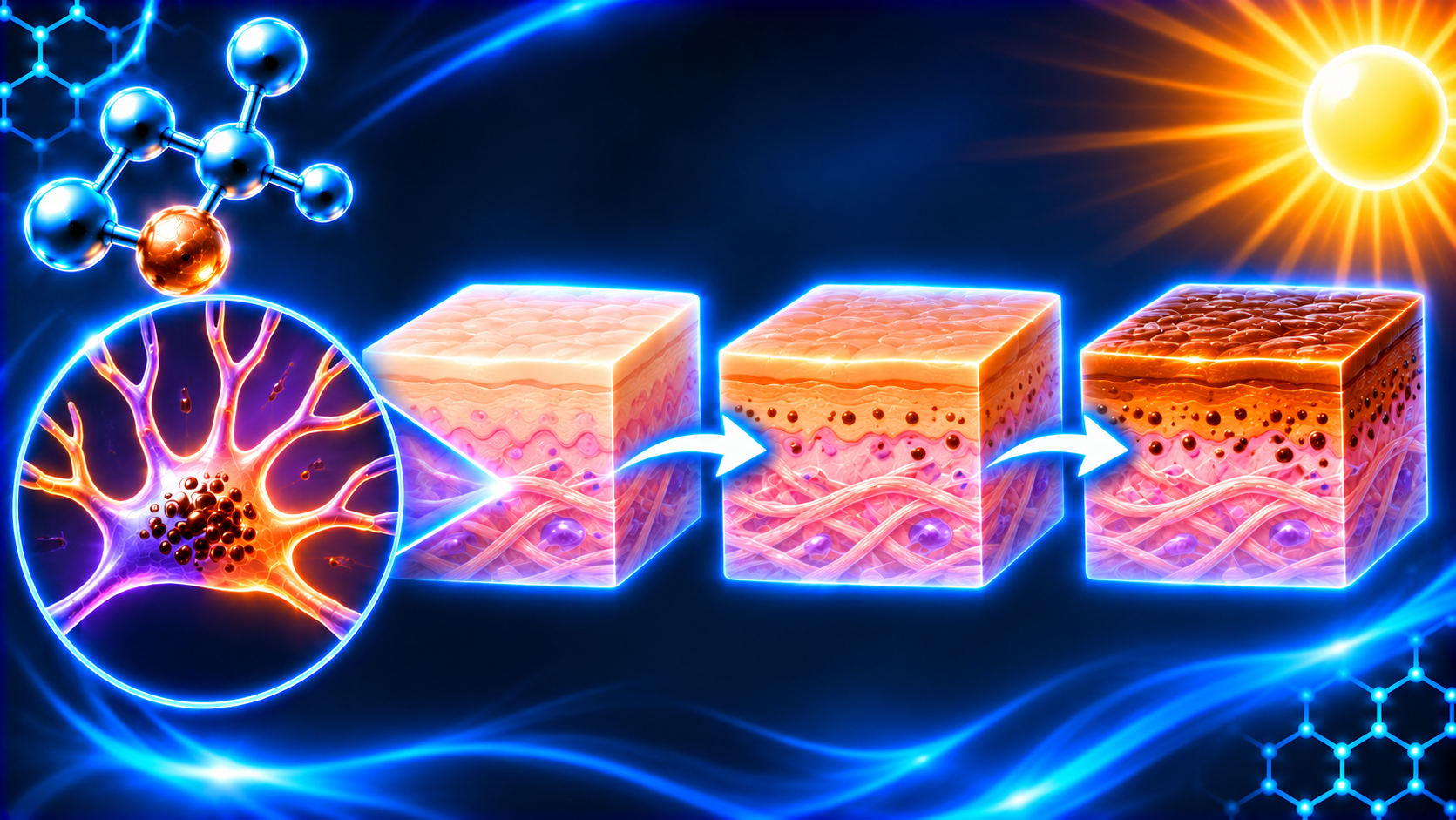
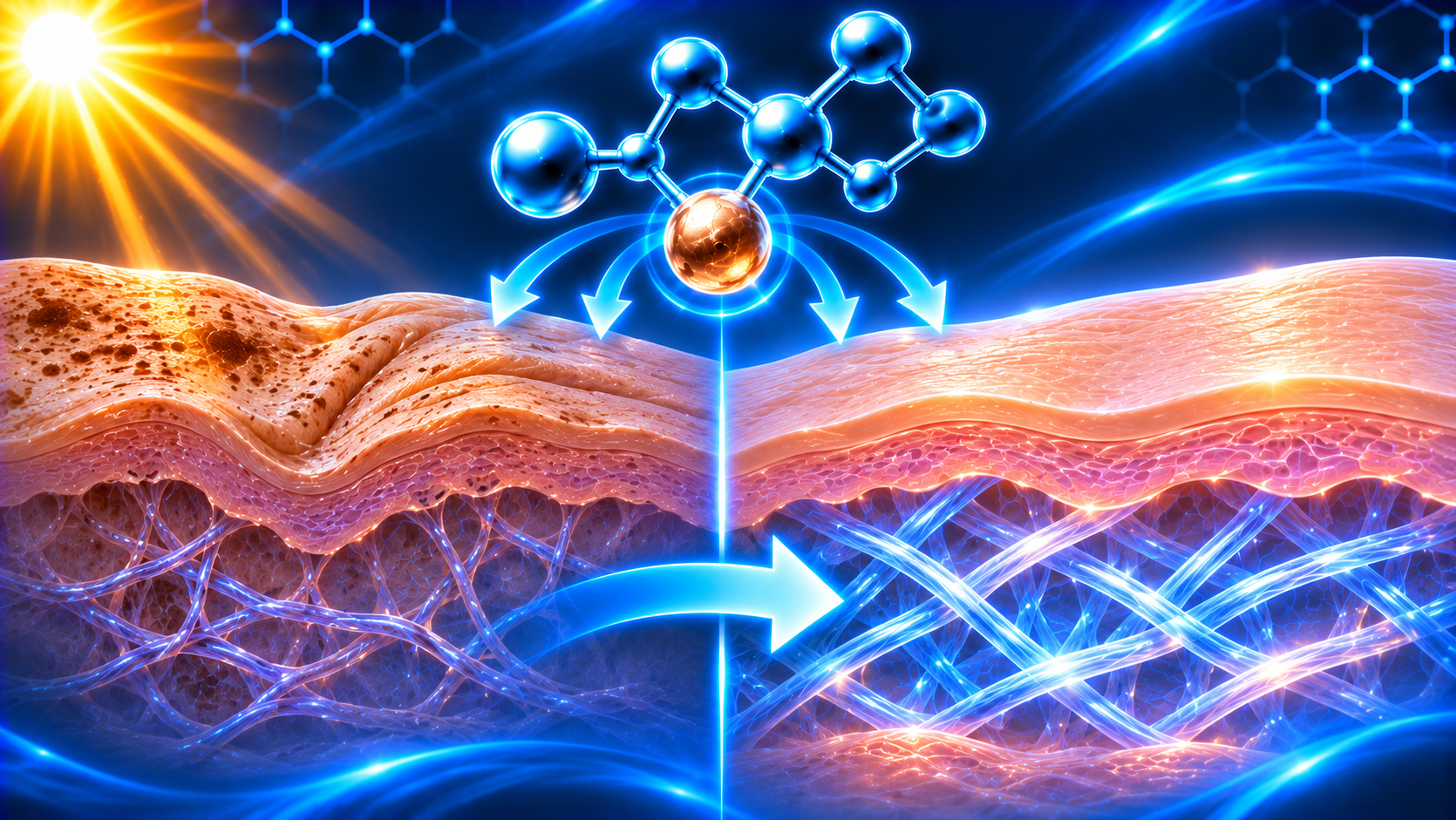
Collagen, the protein that helps keep skin firm and flexible, changes as we get older. Skin may become thinner, lose elasticity, and take longer to repair after damage.
This is where GHK-Cu enters the picture.
GHK-Cu is a naturally occurring copper peptide that researchers have studied for its relationship with collagen production, skin repair, and tissue remodeling.
Laboratory research suggests it can influence some of the processes involved in maintaining healthy connective tissue.
Why These Changes Matter for Longevity Research
Aging involves many biological processes, but cellular energy, repair, and tissue maintenance are three important pieces of the puzzle.
That's what makes NAD+, MOTS-c, and GHK-Cu interesting to researchers.
Each compound is connected to a different part of cellular function:
NAD+: Energy production and DNA repair.
MOTS-c: Mitochondrial signaling and metabolic regulation.
GHK-Cu: Collagen activity and tissue repair.
None has been proven to stop or reverse human aging. However, studying these compounds may help scientists better understand the changes that occur inside our cells over time.
And that brings us to the most interesting question: What has research actually discovered about each compound?
Main Research Findings
NAD+ and Cellular Aging: Energy, DNA Repair, and Longevity
One of the most studied molecules in cellular aging research is NAD+ (nicotinamide adenine dinucleotide).
NAD+ is naturally present in nearly every cell in the body. Its main job is to help convert nutrients into usable energy, but it also supports several processes that help cells maintain themselves.
This makes NAD+ particularly interesting to researchers studying aging, metabolism, and cellular health.
Why Is NAD+ Important as We Age?
As we get older, the systems responsible for producing energy and repairing cellular damage can become less efficient.
NAD+ plays a role in both.
Researchers have identified three major areas where NAD+ connects to cellular aging:
1. Cellular Energy Production
NAD+ helps cells convert food into ATP, the energy source that powers everyday cellular activity.
Without enough available NAD+, normal energy metabolism cannot function properly.
2. DNA Repair
Our DNA experiences damage throughout life. The body relies on specialized enzymes to identify and repair some of this damage.
Certain repair enzymes depend on NAD+ to perform their functions, making it an important part of normal cellular maintenance.
3. Cellular Stress and Aging
NAD+ also supports proteins called sirtuins, which help regulate metabolism and cellular responses to stress.
Because these proteins are involved in processes associated with aging, researchers are investigating whether NAD+ metabolism influences how cells function over time.
What Does Research Show About NAD+ and Longevity?
Animal studies have found that increasing NAD+ availability through certain precursor compounds can improve some measures of mitochondrial function, metabolism, and age-related cellular health.
Human research has produced some encouraging biological findings as well.
For example, studies involving NAD+ precursors such as nicotinamide riboside (NR) and nicotinamide mononucleotide (NMN) have demonstrated increases in NAD-related biomarkers.
However, improvements in energy, physical performance, and other measures of healthy aging have been less consistent.
These studies also do not establish that administering NAD+ itself produces the same results as using its precursors.
The takeaway: NAD+ plays an essential role in cellular energy production and DNA repair. Researchers are interested in whether maintaining healthy NAD+ metabolism could help preserve cellular function with age, although its ability to slow human aging remains unproven.
MOTS-c and Longevity: Mitochondrial Health and Metabolic Function
MOTS-c is a naturally occurring peptide that has attracted attention for its relationship with mitochondria, metabolism, and aging.
Unlike many other peptides, MOTS-c is encoded within mitochondrial DNA.
Mitochondria help produce the energy our cells need to function. They also send signals that influence how cells respond to stress and changes in energy availability.
MOTS-c appears to participate in some of these signaling processes.
How Does MOTS-c Affect Cellular Function?
Researchers are particularly interested in MOTS-c because of its connection to three important areas of metabolic health.
1. Energy Regulation
MOTS-c has been studied for its ability to influence how cells manage and respond to available energy.
This is important because metabolic regulation can change as we age.
2. AMPK Activation
One of the most interesting findings involves AMPK, a protein that helps cells respond when energy availability is low.
Preclinical studies suggest MOTS-c can influence AMPK-related signaling, which is involved in energy balance and metabolic adaptation.
3. Age-Related Physical Performance
Researchers have also investigated MOTS-c in relation to exercise capacity and physical function.
In animal studies, MOTS-c administration has improved certain measures of physical performance, including in aging mice.
These findings suggest mitochondrial-derived peptides may play a role in how the body responds to age-related metabolic changes.
What Does Research Show About MOTS-c and Aging?
A 2021 study published in Nature Communications investigated MOTS-c and its relationship with physical performance and aging.
Researchers reported that MOTS-c treatment improved certain exercise-related outcomes in mice, including older animals.
The study also examined changes in MOTS-c associated with exercise in humans.
These results helped establish MOTS-c as an interesting molecule for further research into mitochondrial signaling and age-related physical function.
However, the animal treatment results have not been confirmed as anti-aging benefits in human clinical trials.
The takeaway: MOTS-c is being studied for its effects on mitochondrial signaling, energy regulation, and age-related physical performance. Early findings are promising, particularly in animal research, but its effects on human longevity remain unknown.
GHK-Cu and Aging: Collagen Production, Skin Repair, and Tissue Health
While NAD+ and MOTS-c are closely connected to cellular energy and metabolism, GHK-Cu is being studied for a different aspect of aging: tissue maintenance and repair.
GHK-Cu is a naturally occurring copper peptide made from three amino acids bound to copper.
It has been investigated for its relationship with collagen production, skin health, and tissue remodeling.
These areas are especially relevant because aging affects the body's ability to maintain the structure and elasticity of skin and connective tissue.
How Does GHK-Cu Relate to Aging?
Researchers have identified several processes that make GHK-Cu interesting in skin aging research.
1. Collagen Production
Collagen is one of the main proteins responsible for keeping skin firm and supporting connective tissue.
As we age, collagen production and organization change, contributing to wrinkles and reduced skin elasticity.
Laboratory studies suggest GHK-Cu can influence collagen synthesis and other processes involved in maintaining the skin's structure.
2. Tissue Repair
GHK-Cu has also been studied for its relationship with wound healing and tissue remodeling.
Preclinical research suggests it can influence cellular activity involved in repairing damaged tissue and maintaining the surrounding structural proteins.
3. Skin Aging and Appearance
Some human studies involving topical GHK-Cu formulations have reported improvements in wrinkle measurements and certain aspects of skin appearance.
Although these studies are relatively small, they provide a basis for continued research into copper peptides and age-related skin changes.
What Does Research Show About GHK-Cu?
GHK-Cu has been investigated for decades, particularly in relation to skin biology and tissue regeneration.
Laboratory findings have shown effects on collagen-related activity, cellular signaling, and tissue remodeling.
A 2026 systematic review examined 20 studies involving GHK-Cu, including 18 preclinical studies and two randomized controlled trials.
The review identified encouraging findings involving collagen synthesis and selected measures of skin appearance, while emphasizing the need for larger human studies.
Importantly, research involving topical GHK-Cu does not establish that other forms of the compound produce the same effects.
The takeaway: GHK-Cu has promising research behind its role in collagen production, skin repair, and tissue remodeling. Its strongest connection to aging research involves skin and connective tissue rather than proven effects on overall human lifespan.
NAD+ vs. MOTS-c vs. GHK-Cu: What's the Difference?
Although all three compounds are discussed in longevity research, they are being studied for different reasons.
| Compound | Main Research Focus |
|---|---|
| NAD+ | Cellular energy production, DNA repair, and metabolic maintenance |
| MOTS-c | Mitochondrial signaling, energy regulation, and age-related physical function |
| GHK-Cu | Collagen production, skin aging, and tissue repair |
Together, they highlight three important areas of cellular aging research: energy production, metabolic regulation, and tissue maintenance.
Researchers are investigating whether better understanding these processes could eventually lead to new approaches for supporting healthy aging.
For now, the most meaningful discoveries involve how these compounds interact with cellular pathways, rather than proof that they can extend human lifespan.
Research Methodology / Context
When researchers study peptides for longevity and cellular aging, they aren't just looking at whether a compound changes how cells behave. They also want to know whether those changes lead to meaningful improvements in health.
That's an important difference. A compound might improve a cellular process in a laboratory without producing the same results in the human body.
To understand the potential of NAD+, MOTS-c, and GHK-Cu, scientists rely on three main types of research.
Laboratory Research: Understanding How Compounds Work
Laboratory studies allow researchers to observe how cells respond to different compounds under controlled conditions.
For example, scientists can investigate:
NAD+: How NAD+ availability affects energy metabolism and DNA repair enzymes.
MOTS-c: How the peptide influences mitochondrial signaling and metabolic pathways.
GHK-Cu: How copper peptide exposure affects collagen production and tissue repair processes.
These experiments help identify how a compound works and which biological pathways it may influence.
However, results from isolated cells don't always translate into the same effects in living organisms.
Animal Studies: Looking at Age-Related Changes
Animal studies allow researchers to investigate how compounds affect multiple systems working together.
This has been particularly important for NAD+ and MOTS-c longevity research.
For example, studies in mice have examined whether NAD+ precursors influence age-related metabolic changes. MOTS-c experiments have investigated mitochondrial function, exercise performance, and metabolic regulation.
These findings help researchers identify promising areas for further study, but animal results cannot automatically be applied to humans.
Human Studies: Testing Whether the Benefits Translate
Human research provides a clearer picture of whether laboratory discoveries have practical significance.
The amount of human evidence differs between these compounds.
NAD+: Human trials involving NAD+ precursors have demonstrated changes in NAD-related biomarkers, although improvements in health and physical function remain inconsistent.
MOTS-c: Most direct treatment research remains preclinical, with limited evidence establishing its effects in humans.
GHK-Cu: Smaller human studies involving topical formulations have investigated improvements in skin appearance and age-related skin changes.
One important point is that improving a biological marker doesn't necessarily mean slowing the aging process.
Researchers still need larger, longer-term human studies to determine whether these cellular effects translate into meaningful improvements in healthy aging.
For now, laboratory, animal, and human research each provide a different piece of the puzzle. Together, they help scientists understand which findings are promising and which questions still need answers.
Current Research Limitations
Research into peptides for longevity and cellular aging has produced some interesting discoveries. Scientists have identified ways that NAD+, MOTS-c, and GHK-Cu interact with biological processes associated with aging.
However, understanding how a compound affects cells is different from proving that it can slow aging in humans.
There are several important limitations to consider.
Human Longevity Benefits Haven't Been Proven
Although NAD+, MOTS-c, and GHK-Cu influence processes involved in cellular function, none has been clinically proven to extend human lifespan or reverse biological aging.
For example, increasing NAD+ levels may change certain cellular markers, but that doesn't automatically mean someone will live longer or experience fewer age-related health problems.
The same applies to MOTS-c and GHK-Cu. Promising laboratory findings need to be confirmed through well-designed human studies.
Not All Three Compounds Have the Same Level of Evidence
The amount of research available varies considerably.
NAD+: Extensive laboratory research and a growing number of human trials involving NAD+ precursors, although long-term anti-aging benefits remain uncertain.
MOTS-c: Encouraging findings involving metabolism and physical performance, primarily from animal studies.
GHK-Cu: Laboratory and limited human evidence involving collagen production, skin appearance, and tissue repair.
These differences matter because results from one compound cannot be used to establish the effectiveness of another.
Long-Term Effects Are Still Being Studied
Another limitation is the lack of long-term human data, particularly for experimental MOTS-c and non-topical GHK-Cu.
Researchers still need to understand how different formulations, exposure levels, and durations affect biological activity and safety.
They also need to determine whether changes observed in short-term experiments produce lasting benefits.
Aging Is More Complicated Than One Cellular Process
Aging involves changes in metabolism, DNA repair, inflammation, mitochondrial function, and many other systems.
Even if a compound influences one of these pathways, it doesn't mean it can prevent every age-related change.
The key distinction is that supporting a cellular process in research is not the same as proving an anti-aging benefit in humans.
Still, these discoveries are valuable. Each study helps researchers better understand how cells change over time and which biological pathways may be worth investigating further.
As longevity research advances, larger human studies will be essential for determining whether these promising findings can translate into measurable improvements in healthy aging.
Discussion
For years, anti-aging research focused largely on the visible effects of getting older. Today, scientists are looking deeper, studying the changes happening inside our cells long before they become noticeable.
This shift has made cellular aging and longevity research an increasingly important area of study.
Rather than searching for one compound that can stop aging, researchers are investigating the biological systems that help cells produce energy, respond to stress, and repair damaged tissue.
That's what makes NAD+, MOTS-c, and GHK-Cu particularly interesting.
Three Compounds, Three Different Areas of Aging Research
Although these compounds work through different biological pathways, each offers insight into an important part of cellular health.
NAD+ and Cellular Maintenance
NAD+ research focuses on energy production, DNA repair, and the processes that help cells maintain normal function.
Scientists are investigating whether changes in NAD+ metabolism contribute to age-related cellular decline and whether influencing those pathways could have meaningful benefits.
MOTS-c and Mitochondrial Health
MOTS-c offers another perspective on aging by helping researchers understand how mitochondria communicate with cells and respond to changes in energy availability.
Its connection to metabolic regulation and physical performance in animal studies has made it an interesting subject in mitochondrial aging research.
GHK-Cu and Tissue Repair
GHK-Cu research focuses more heavily on collagen production, connective tissue, and the processes involved in skin maintenance.
Because tissue repair and collagen activity change with age, GHK-Cu provides researchers with another way to investigate age-related changes in the body.
Could These Research Areas Work Together?
One of the most interesting questions in longevity research is how different cellular processes influence one another.
Energy production, mitochondrial signaling, and tissue repair are connected. Cells need energy to maintain themselves, respond to damage, and support normal tissue function.
This raises an important research question: Could understanding multiple aging-related pathways lead to better approaches for studying healthy aging?
Scientists are still exploring that possibility.
There is currently no reliable clinical evidence that combining NAD+, MOTS-c, and GHK-Cu produces greater anti-aging effects or extends human lifespan.
However, studying these compounds individually may help researchers understand how different biological systems contribute to aging.
What Does This Mean for the Future of Longevity Research?
The growing interest in peptides for longevity reflects a broader change in how scientists approach aging.
Instead of looking only at lifespan, researchers are also studying healthspan, the period of life spent in relatively good health.
Understanding cellular energy, metabolic regulation, and tissue maintenance may help identify new research directions for maintaining healthy function as we get older.
NAD+, MOTS-c, and GHK-Cu are valuable to this research because they help scientists investigate different parts of the aging process.
While much remains to be discovered, these compounds offer useful insight into the cellular changes that influence how our bodies age.
Conclusion
Aging affects much more than how we look or feel. It begins inside our cells, where changes in energy production, DNA repair, and tissue maintenance gradually influence how our bodies function.
That's why peptides for longevity and cellular aging have become important topics in modern research.
Three compounds stand out for their connections to different aspects of aging:
NAD+ plays an essential role in cellular energy production, DNA repair, and metabolic function.
MOTS-c is being studied for its influence on mitochondrial signaling, energy regulation, and age-related metabolic changes.
GHK-Cu has shown promising findings involving collagen production, skin repair, and tissue remodeling.
Although NAD+ is a coenzyme rather than a peptide, all three compounds offer researchers valuable insight into biological processes associated with aging.
The science is still developing. None has been proven to reverse human aging or extend lifespan, but their effects on cellular pathways continue to make them interesting subjects for further investigation.
The future of longevity research may not be about stopping aging altogether, but understanding how to maintain healthier cellular function as we get older.
As scientists continue exploring NAD+, MOTS-c, and GHK-Cu, these discoveries may help shape future research into healthy aging, cellular maintenance, and longevity.
At Peptide Purity USA, we emphasize high-quality research materials, analytical transparency, and responsible scientific investigation.
Research Use Only: All research materials offered by Peptide Purity USA are intended strictly for laboratory research purposes. Not for human or veterinary consumption. Not intended for diagnostic or therapeutic applications.
References
- 1. VLópez-Otín, C., Blasco, M. A., Partridge, L., Serrano, M., & Kroemer, G. (2023). Hallmarks of aging: An expanding universe. Cell, 186(2), 243–278.
- 2. Covarrubias, A. J., Perrone, R., Grozio, A., & Verdin, E. (2021). NAD+ metabolism and its roles in cellular processes during ageing. Nature Reviews Molecular Cell Biology, 22, 119–141.
- 3. NAD+ precursor supplementation in human ageing: Clinical evidence and challenges. (2025). Nature Metabolism.
- 4. Reynolds, J. C., et al. (2021). MOTS-c is an exercise-induced mitochondrial-encoded regulator of age-dependent physical decline and muscle homeostasis. Nature Communications, 12, 470.
- 5. Pickart, L., & Margolina, A. (2018). Regenerative and protective actions of the GHK-Cu peptide in the light of the new gene data. International Journal of Molecular Sciences, 19(7), 1987.
- 6. Pickart, L., Vasquez-Soltero, J. M., & Margolina, A. (2015). GHK peptide as a natural modulator of multiple cellular pathways in skin regeneration. BioMed Research International, 2015, 648108.
- 7. Pickart, L., & Margolina, A. (2018). Skin regenerative and anti-cancer actions of copper peptides. Cosmetics, 5(2), 29.